
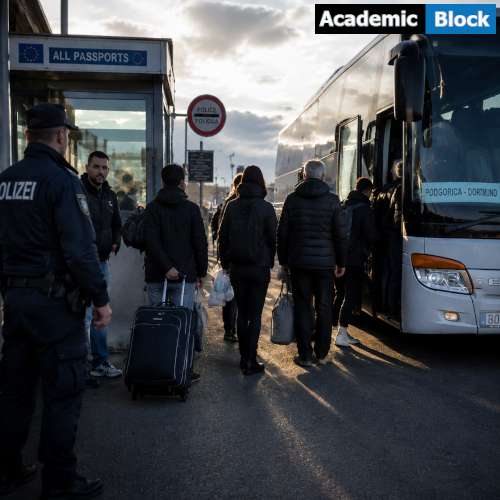
EU Paves Way for Migrant Deportations to Outside Centres
European Union lawmakers and governments have agreed on a major shift in their migration policy. The deal could allow member states to send rejected asylum seekers and other migrants to return centres in third countries. It reflects a tougher approach as EU leaders face rising pressure to curb irregular arrivals and make deportations faster. The bloc says the plan would help governments deal with people who have no legal right to stay. It would also reduce strain on national asylum systems.
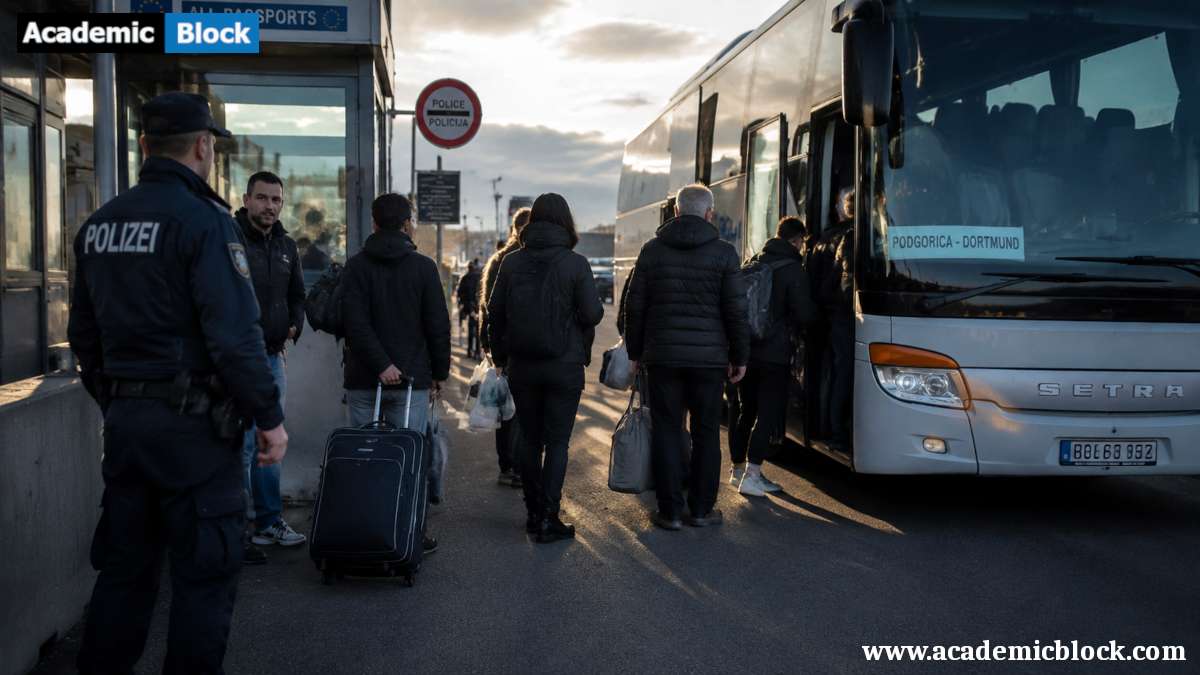
Human rights groups have already raised alarm, saying the scheme could lead to longer detention and possible abuse. They also warn that sending people to countries with no real link to them could create serious legal and moral concerns. The EU now faces a hard test enforce its borders more strongly without losing sight of human dignity.
EU return hubs move closer as migration pressure grows
The new deal would let member states set up return hubs outside the EU. Rejected asylum seekers and visa overstayers could be held there before final deportation. The move comes after years of pressure for stricter migration controls. It also follows a 26% drop in irregular arrivals last year, which took numbers to the lowest level since 2021.
The European Commission says only about 20% of people ordered to leave the EU actually depart. That gap has pushed officials to look for a faster and more forceful system. Lawmakers have also widened detention periods and added penalties for people who do not cooperate. In addition, authorities can seize belongings and collect biometric data under the updated framework.
Rights Groups Warn New EU Deportation Plan Could Increase Risk of Abuse
Human rights organizations have voiced strong concerns over the EU’s proposed deportation reforms. They argue that measures such as longer detention periods, entry bans, fines, criminal penalties, home searches, and expanded biometric data collection could grant authorities excessive powers. Critics also warn that, without strict oversight, return hubs may leave migrants and their families facing greater uncertainty, while placing vulnerable people far from legal assistance, community support, and familiar surroundings.
The proposal comes as EU leaders face growing political pressure to strengthen border controls and accelerate migrant returns across the bloc. At the same time, the Netherlands is working with Denmark, Germany, Greece, and Austria on plans for joint return and transit hubs. However, stalled talks with Uganda highlight the practical challenges of securing partner countries for the scheme. The legislation still requires formal approval from EU governments and the European Parliament. As Europe moves toward a tougher migration framework, the key question remains whether stronger enforcement can be achieved without undermining fundamental human rights and legal protections.
Web Resources on EU Paves Way for Migrant Return Hubs Outside the Bloc
1. Reuters.com : EU paves way to allow migrant deportations to centres outside bloc.
2. Euro News.com : EU greenlights controversial return hubs in ‘strictest-ever’ new migration law.
3. U.S. News.com : EU Paves Way to Allow Migrant Deportations to Centres Outside Bloc.