
Israel and Iran Exchange Strikes for First Time Since Ceasefire
A fragile ceasefire between Israel and Iran broke down on Monday after both sides launched direct strikes for the first time since the truce in April. Iran fired missiles toward Israel late Sunday, and the attack quickly raised tension across the region. Israel then responded with strikes inside Iran, targeting military sites linked to missile activity. The escalation set off fresh alarms over Middle East security and deepened fears of a wider confrontation.
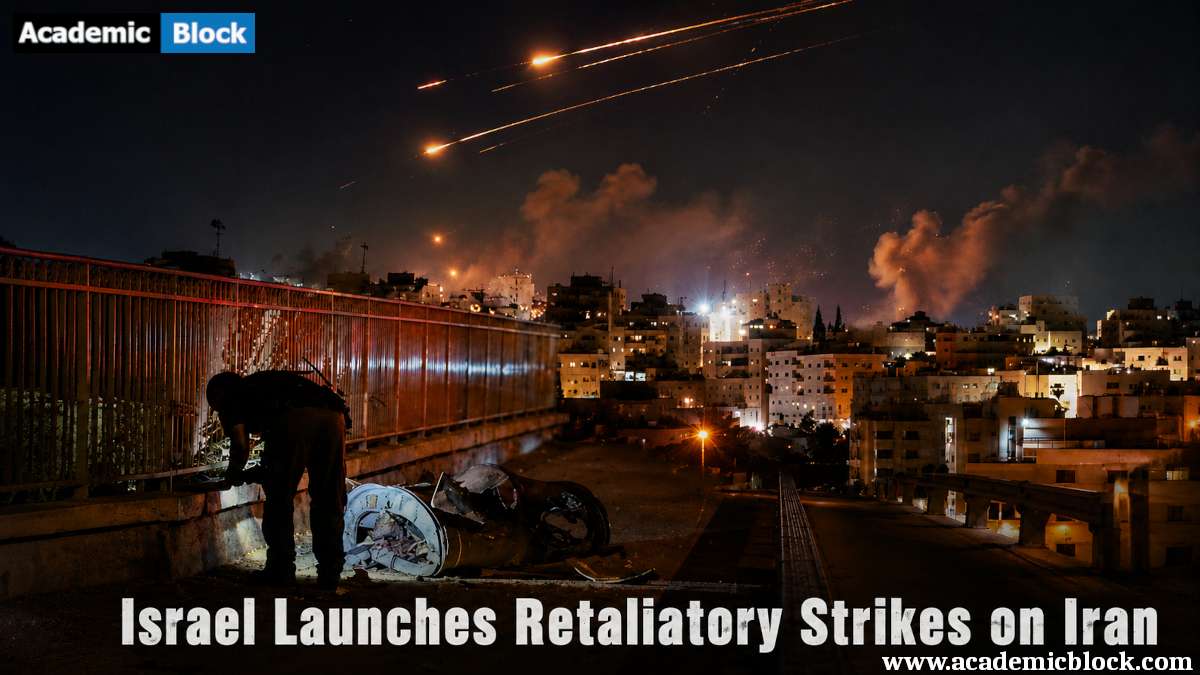
Both governments said their actions were defensive, however the exchange showed how unstable the ceasefire had become. Israeli air defense systems intercepted several incoming missiles, but warning sirens still sounded in multiple areas. In addition, analysts said the fighting could put extra pressure on diplomatic channels and draw in more regional actors. The latest strikes have left the ceasefire in a far weaker position, and the path forward now looks highly uncertain.
Iran’s Missile Launch Triggers Israeli Airstrikes
Iran fired missiles toward Israel late Sunday, putting the fragile ceasefire under immediate strain. Israeli officials said their air defense systems intercepted several projectiles, however warning sirens sounded across multiple areas and kept residents on edge. The attack marked the most serious breach of the truce so far, and it deepened fears about security in Israel’s northern and central regions. The latest exchange has shown how quickly the ceasefire can weaken when both sides move from warnings to action.
Israel answered with airstrikes on military sites in western and central Iran. Iranian media reported explosions in cities including Tehran and Isfahan, while Israel said it targeted military infrastructure linked to missile operations. In addition, the exchange cast new doubt on diplomatic efforts to calm the crisis. Military analysts say both sides still appear cautious, however the risk of a wider war remains real if either side strikes a nuclear site or misreads the next move. For now, the conflict remains tightly contained, but the margin for error is dangerously small.
Diplomatic pressure rises and oil markets surge
The renewed Iran-Israel conflict has drawn strong concern from governments and global institutions. The European Union called for maximum restraint and respect for international law, while U.S. President Donald Trump urged Iran to return to the negotiating table and pressed for calm on the Israeli side. In addition, officials warned that the latest strikes could deepen instability across the Middle East and make diplomacy harder at a critical moment.
The conflict has also pushed oil prices higher as traders reacted to the risk of supply disruption in a region that matters to global energy flows. Brent crude jumped by more than 4% after the strikes, while analysts said a longer conflict could pressure trade and keep energy markets volatile. However, diplomatic channels remain open, and the next moves from both sides will decide whether the crisis cools down or spreads further.
Web link on Israel and Iran Exchange Strikes
1. Reuters.com : Israel and Iran strike each other for first time since ceasefire.
2. BBC.com : Israel hits Iran with air strikes after Tehran fires missiles at northern Israel.
3. Guardian.com : Israel and Iran exchange strikes as Middle East crisis threatens to escalate.