
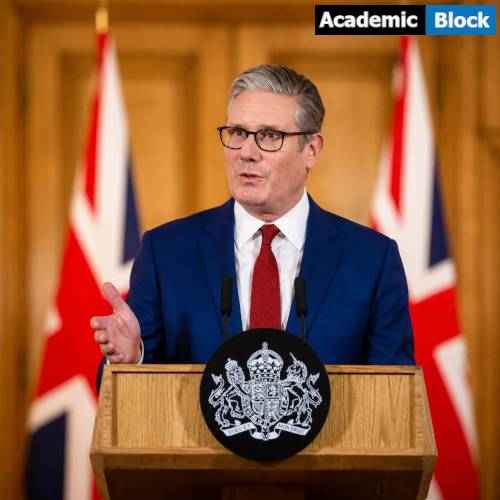
Britain Takes a Historic Step to Protect Children Online
Britain says it is acting because children face growing risks on social media and other online platforms. Concerns over harmful content, cyberbullying, excessive screen time, and contact with strangers have pushed online safety to the top of the agenda. To judge public opinion, the Department for Science, Innovation and Technology ran a national consultation from March to May 2026. It received 116,211 responses, making it one of the largest public consultations in recent years.
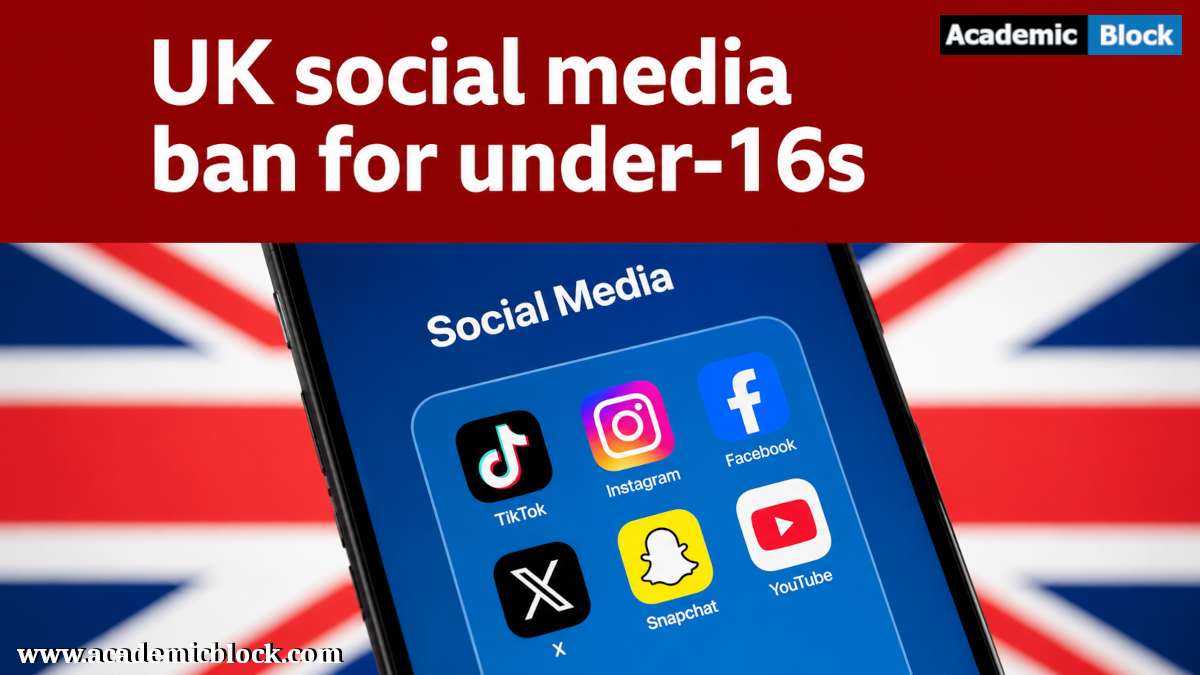
The results showed strong support for tougher action. Nine in 10 parents backed a social media ban for under-16s, while around two-thirds of young people said children should not use at least some platforms. Prime Minister Keir Starmer said the changes will give children more time, more security, and more freedom to grow up. Britain is also not acting alone. Spain introduced a ban for under-16s in February 2026, Malaysia began enforcing its own ban in June 2026, and France, Denmark, and Norway are working on similar rules. Australia, meanwhile, became the first country to bring in an under-16 social media ban in December 2025.
UK’s Under-16 Social Media Ban Forms the Core of Wider Online Safety Reforms
Britain’s under-16 social media ban is only one part of a wider online safety plan. The government is also considering extra protections for children and teenagers under 18. These could include limits on livestreaming, default blocks on stranger contact, and even an overnight social media curfew. Officials say the aim is to reduce online harm and stop young users from spending too long on platforms built to keep them engaged.
The government is also looking at ways to curb infinite scrolling, which can keep feeding users more content and stretch screen time. New rules for AI chatbots are also under review. Romantic companion chatbots would be restricted to adults aged 18 and over, and other AI services may have to switch off intimate features for minors. The ban will cover major platforms such as Snapchat, TikTok, YouTube, Instagram, Facebook and X, however WhatsApp, Signal, YouTube Kids and Google Classroom will stay outside it. The government plans to publish the rules by the end of this year, with changes expected in Spring 2027. Sixteen and 17-year-olds will still use social media, but livestreaming and stranger contact will be off by default. Ofcom will set out age-verification options in the coming months.
Child Safety Groups Back UK Ban as Tech Giants Warn of Risks
Several child protection groups have welcomed Britain’s proposed social media ban for under-16s. Barnardo’s chief executive Lynn Perry said the move is important, however it is not a magic fix. She also urged social media companies to take more responsibility for the harm their platforms can cause. NSPCC chief executive Chris Sherwood called the plan a historic moment for child protection. In addition, Prince Harry and Meghan backed the move and said children’s wellbeing should come before profit and online engagement.
The debate, however, remains sharp. Meta, the owner of Facebook and Instagram, said a full ban could push teenagers toward less safe and less regulated alternatives. Snap Inc. made a similar point, saying most Snapchat use happens through private chats with friends and family. YouTube also said it has invested for years in age-appropriate protections for teens. The government argues that the wider plan will still give Britain one of the strongest child online safety frameworks in the world, with tighter controls on livestreaming, stranger contact, infinite scrolling, and AI chatbot features.
UK Social Media Ban for Under-16s: Key Rules Explained
Web Resources on UK’s Under-16 Social Media Ban
1. Reuters.com : Britain announces sweeping social media ban for under-16s.
2. BBC.com : When will social media ban start, and which apps will be affected?
3. Gov.uk : New rules to protect children online.