
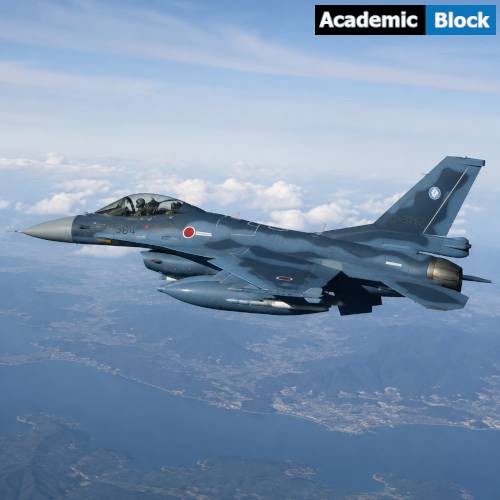
Japan Sharpens Defence Push, as China Remains Its Biggest Strategic Challenge
Japan is moving quickly to strengthen its defence capability. Defence Minister Shinjiro Koizumi says the country must adapt to a far tougher security environment. He wants stronger military readiness, a tighter alliance with the United States, and broader cooperation with like-minded countries. In addition, Tokyo has started to relax long-standing defence export rules. That marks a major shift for a country that has kept a strict postwar pacifist stance for decades. Koizumi says these steps are meant to build a multi-layered deterrent and reduce the risk of conflict in the region.
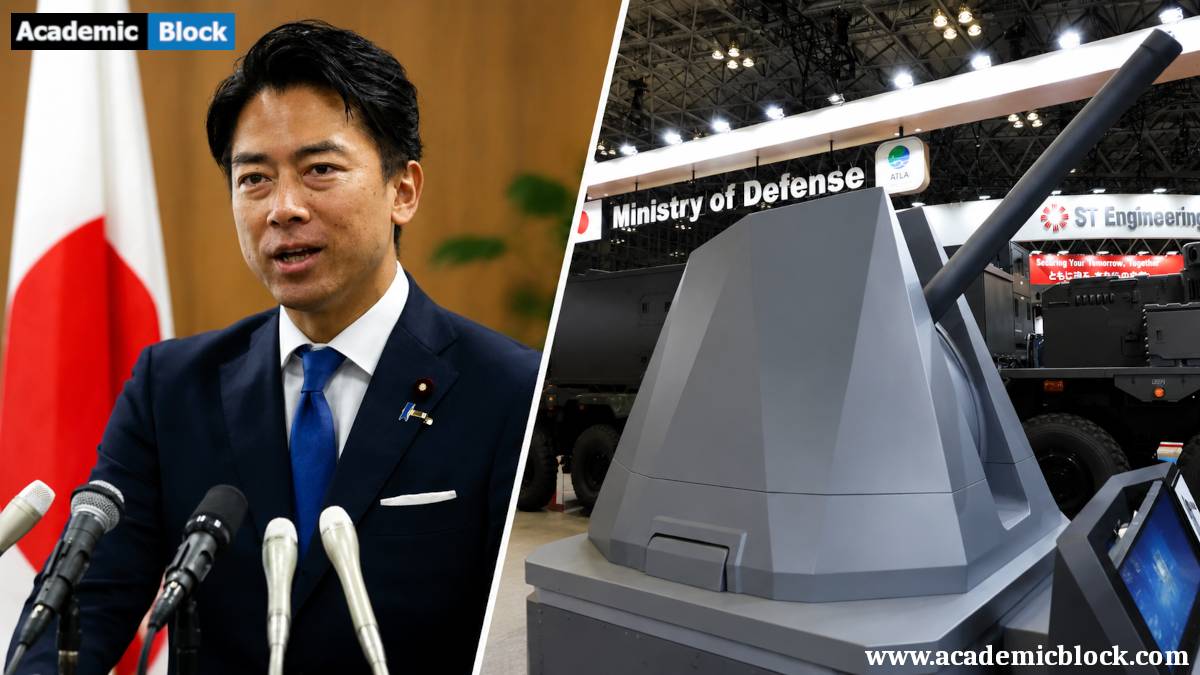
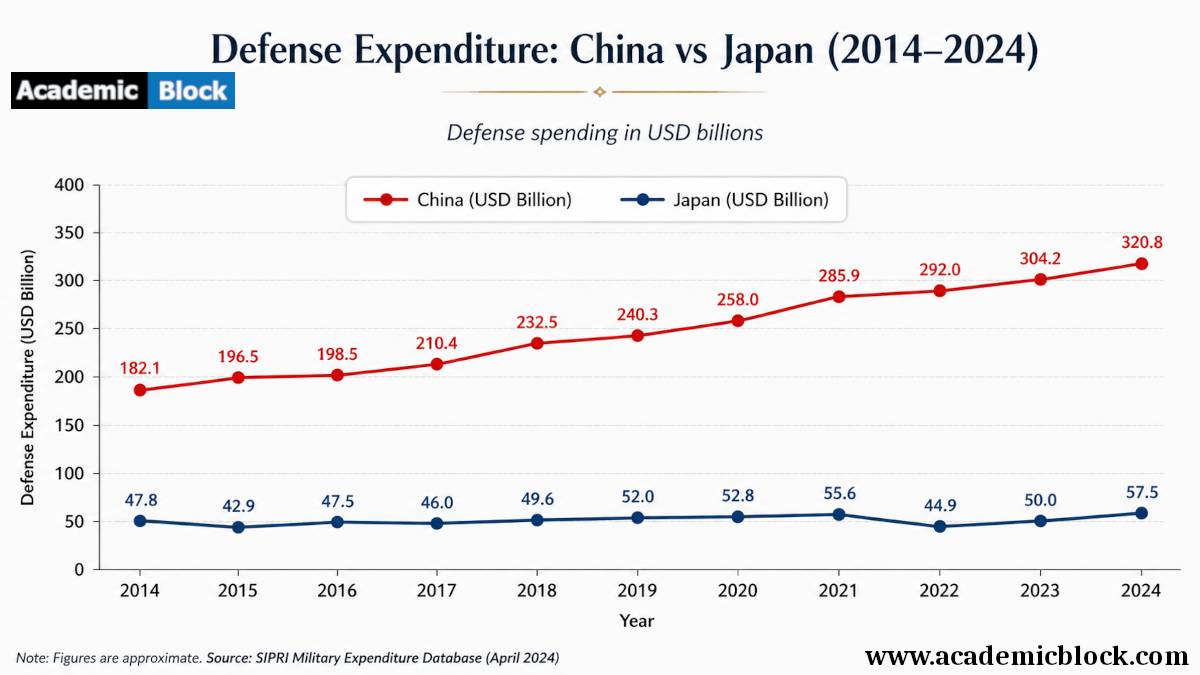
China remains Japan’s biggest strategic concern. Tokyo sees Beijing’s claims over Taiwan and its growing military activity in the East China Sea as serious threats. The disputed Senkaku islands, which China calls Diaoyu, remain a flashpoint. However, Koizumi says Japan still wants dialogue with Beijing. He says the country must keep talking while it strengthens its Self-Defense Forces, clarifies their role, and deepens security ties across the Indo-Pacific. The following table shows the relative defense expenditure made by Japan and China in last 10 years:
Japan boosts Military Spending and Expanded Defence Exports
Japan is moving fast to reshape its defence policy. It has raised military spending to record levels, and it is also pushing a wider modernisation drive. A recent plan topped 9 trillion yen, or about $58 billion. It backs Tomahawk missiles, advanced air and missile defence, long-range strike systems, unmanned platforms, and joint operations. In addition, Japan has created the JSDF Joint Operations Command to improve coordination across its land, sea, and air forces. Defence Minister Shinjiro Koizumi says the security environment has changed sharply over the past 80 years, and Japan must adapt if it wants to stay peaceful and secure.
Tokyo is also opening new routes for defence exports and deepening security ties abroad. For the first time in about 50 years, Japan can sell or transfer defence equipment and lethal weapons to 17 countries with formal security deals, including the United States and the United Kingdom. Australia has selected Japanese warships, while talks continue with the Philippines, Indonesia, and New Zealand. Prime Minister Sanae Takaichi is backing a review of Article 9 as debate grows over how Japan should respond to China’s military rise and North Korea’s missile threat.
Japan Expands Global Security Ties Through U.S. Alliance and UK Cooperation
Japan is widening its security reach far beyond the United States. It is building stronger defence ties with Australia, India, the Philippines, South Korea, Singapore, ASEAN members, and several European partners. Tokyo says the Japan-U.S. alliance still sits at the centre of its security policy. However, it also wants a wider circle of like-minded countries to support regional stability. Japan has also eased defence export rules. In addition, it now sees military cooperation and equipment transfers as a key part of a stronger deterrence strategy across the Indo-Pacific.
Britain has become a major partner in that effort. Japan and the UK have agreed to speed up work on the GCAP next-generation fighter jet programme. They are also deepening cooperation in artificial intelligence, cybersecurity, space technology, and quantum computing. The partnership is designed to support national security, create jobs, and strengthen industrial links. It also shows how Tokyo is using technology and defence ties together to shape a more secure regional future.
Web Resources on Japan Sharpens Defence Push
1. BBC.com : Japan ramping up defence is ‘critical’ to prevent war, Defence Minister Koizumi.
2. Reuters.com : UK, Japan agree tech partnership and vow fighter jet progress
3. Guardian.com : Japan and US upgrade military ties citing threat from China as ‘greatest strategic challenge’.