
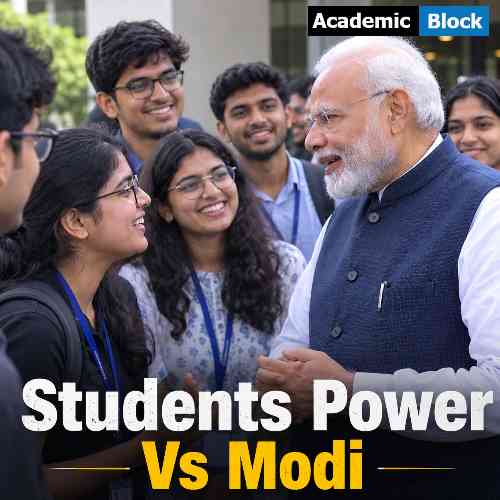
Modi Wins “Hearts and Students” by Holding his Education Minister Accountable
India’s democratic institutions faced a major public test this week as sustained student protests over examination irregularities culminated in the resignation of Union Education Minister Dharmendra Pradhan. The development marked one of the most significant instances in recent years in which a nationwide protest movement led to ministerial accountability under Prime Minister Narendra Modi’s government.
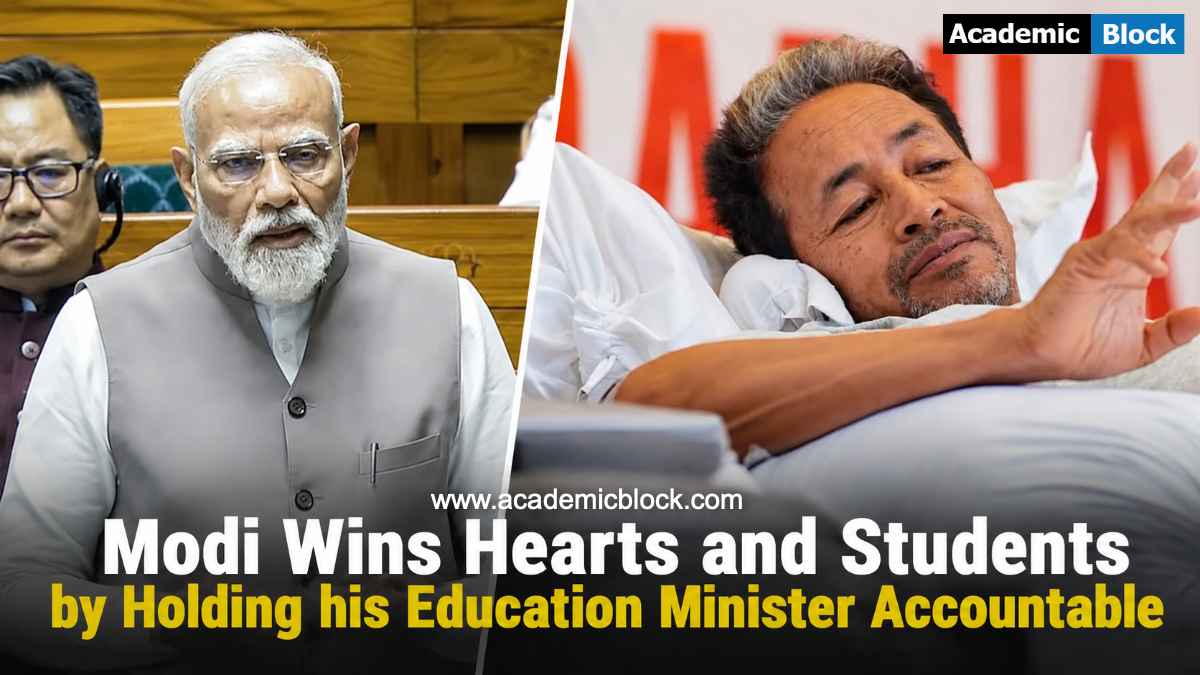
The CJP protests began after allegations of irregularities and paper leaks surrounding the 2026 NEET-UG examination triggered widespread anger among students and parents. What initially started as demands for fair examinations soon expanded into calls for greater transparency, accountability, and reforms within India’s examination system.
Education reform activist Sonam Wangchuk also joined the protests and begun an indefinite hunger strike in late June. He demanded the resignation of the Education Minister over the examination controversy. His fast lasted 26 days and became a symbolic face of the movement. Wangchuk ended the hunger strike on Friday after negotiations with federal ministers. He cited concerns about potential violence and appeals from lawmakers as reasons for ending the fast.
After weeks of demonstrations and negotiations, Pradhan announced his resignation, stating that he was stepping down to protect students’ interests and prevent further escalation of the situation. Prime Minister Narendra Modi accepted the resignation, bringing an end to one of the government’s most politically sensitive education controversies.
Student Mobilization Demonstrates India’s Democratic Accountability
The resignation has been widely viewed as evidence that organized public participation continues to influence policymaking in India. Thousands of students participated in peaceful demonstrations across several cities, arguing that examination integrity directly affects the future of millions of young people. Their sustained campaign kept pressure on policymakers while attracting nationwide attention.
Political analysts note that ministerial resignations following prolonged public protests remain relatively uncommon. In this case, however, the government ultimately responded by accepting political responsibility at the ministerial level while also promising broader reforms to strengthen the examination system.
Modi’s battle for Hearts and Mind of Indian Students
The resignation of the Education Minister has placed fresh focus on Prime Minister Narendra Modi’s broader effort to retain the confidence of India’s young population. For years, his government has sought to present itself as responsive to public concerns, particularly those of students and first-time voters. This episode tested that claim, as sustained street protests forced a visible concession on a sensitive issue.
Analysts say the outcome will be watched closely as part of a continuing contest for public trust. The government has moved to ease tensions and signal accountability. However, many young protesters still question whether deeper reforms will follow. The battle for hearts and minds, especially among the country’s large youth demographic, remains unfinished. So far Modi has emerged as a leader who is not only well liked by the student, but someone who knows how to stays on top of his game.
Web Resources on Student Protests in India
1. CNN: India’s education minister resigns after days of ‘Cockroach’ youth protests.
2. BBC News: India’s ‘cockroach’ protest called off after education minister quits.
3. Reuters: Modi’s education minister quits as jubilant Indian youth protesters claim victory, end protest.
4. The Guardian: Indian Cockroach activist ends hunger strike after 26 days.