
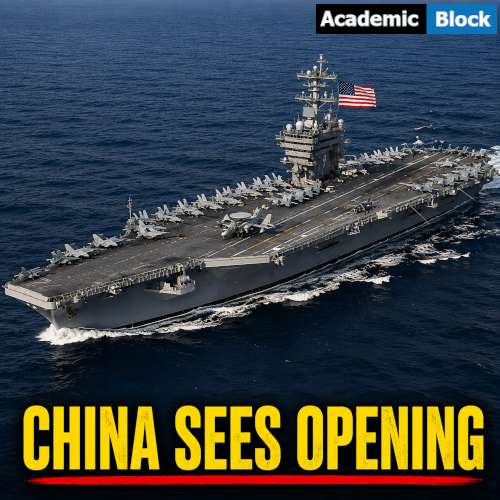
US Pulls Last Aircraft Carrier From Asia as Trump Focuses on Iran War
The United States is moving its last aircraft carrier from the western Pacific to the Middle East. The USS George Washington is expected to replace the long-deployed USS Abraham Lincoln, which has remained at sea beyond its planned May return. The move comes as President Donald Trump’s war against Iran continues to stretch the U.S. Navy’s carrier fleet. Officials have raised concerns about the Lincoln crew’s mental health, supplies and working conditions. The Navy has 11 aircraft carriers, although only some remain available for immediate overseas missions.
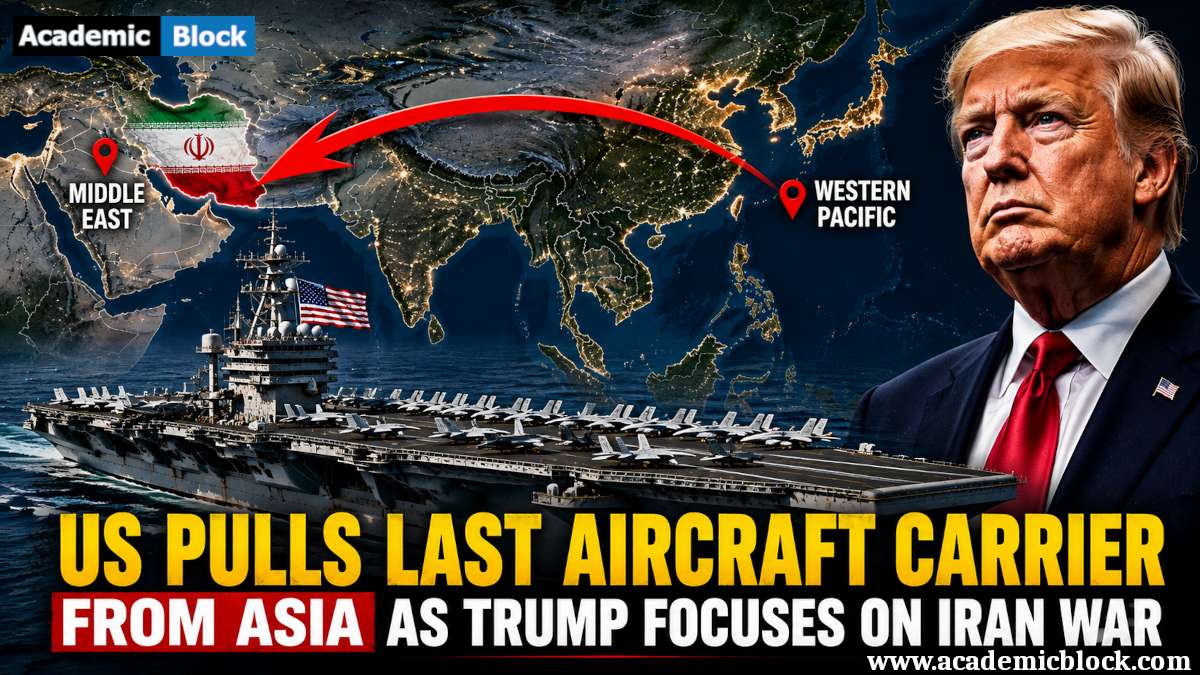
The temporary carrier gap comes as China has increased military activity across the region. However, the Pentagon says the gap will not last long. Analysts say the move highlights the pressure that open-ended Iran operations have placed on American sailors. It also reflects a broader shift in the Trump administration’s priorities toward the Western Hemisphere. As a result, China may see an opportunity to demonstrate its military strength, while U.S. allies may question how much American naval power remains available if tensions rise.
US Carrier Shift to Middle East Raises Pressure on Pacific Strategy
The departure of the USS George Washington will temporarily reduce U.S. carrier coverage in the western Pacific. The shift comes as Washington faces growing pressure from Beijing. China views the U.S. military presence in Asia as a challenge to its rise and an obstacle to its ambitions over Taiwan, the self-governing island it claims as its own. China has also increased military activity around disputed areas. It has conducted naval exercises with Indonesia and held drills near the disputed Scarborough Shoal in the South China Sea, which both China and the Philippines claim.
In addition, a Chinese guided-missile destroyer conducted a live-fire exercise near Japan’s Okinotori island last month. These activities have raised concerns among U.S. allies, including Japan and the Philippines. Defense expert Bryan Clark of the Hudson Institute said Beijing could use the carrier gap to show regional countries that U.S. military dominance is not guaranteed. Meanwhile, the Iran war has created competing military demands as the Trump administration gives greater attention to the Western Hemisphere.
Long Iran Deployment Tests US Carrier Readiness and Sailor Endurance
The extended Iran mission has placed fresh pressure on U.S. Navy crews. The USS Abraham Lincoln has spent more than 240 uninterrupted days at sea, setting a record for its deployment. Its prolonged mission has raised concerns about crew welfare, supplies and working conditions. Democratic lawmakers have called for investigations into conditions aboard the carrier. Robert Farley, a national security expert at the University of Kentucky, said prolonged deployments can wear crews down physically and mentally.
The strain also extends to the wider carrier fleet. Long deployments can also delay maintenance and reduce the number of carriers ready for new missions. Washington could send another carrier to the Pacific later, but its timing will depend on operational demands and maintenance needs. Therefore, the carrier movement highlights a difficult strategic balance for the United States, sustaining the Iran war while maintaining enough naval power to deter China and reassure allies across the Asia-Pacific.
Web Resources On US pulls last aircraft carrier from Asia
1. AP News : US pulls last aircraft carrier in Asia as Trump focuses on Iran and the Western Hemisphere.
2. PBS.org : U.S. pulls last aircraft carrier in Asia as Trump focuses on Iran and the Western Hemisphere.
3. ABC News.com : US pulls last aircraft carrier in Asia as Trump focuses on Iran, Western Hemisphere.
4. First Post.com : US withdraws last Asia-based aircraft carrier as tensions with Iran take priority