
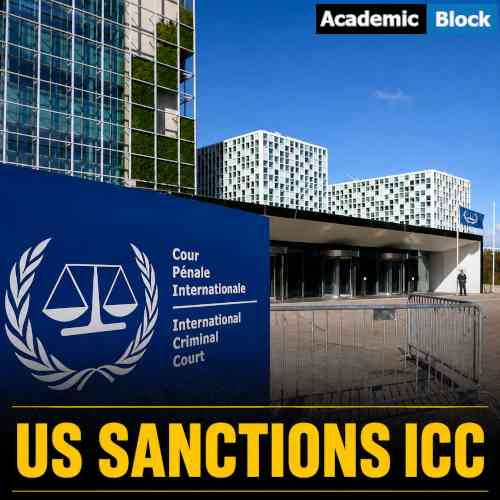
US Sanctions ICC President and Senior Lawyer in Latest Escalation
The United States has imposed new sanctions on two senior International Criminal Court officials, deepening the Trump administration’s dispute with the Hague-based court. Secretary of State Marco Rubio announced the measures on Tuesday, August 18, naming ICC President Tomoko Akane of Japan and Senior Trial Lawyer Abdoulaye Seye of Senegal. The action falls under an executive order signed by President Donald Trump in February 2025, which authorizes sanctions against certain ICC officials.
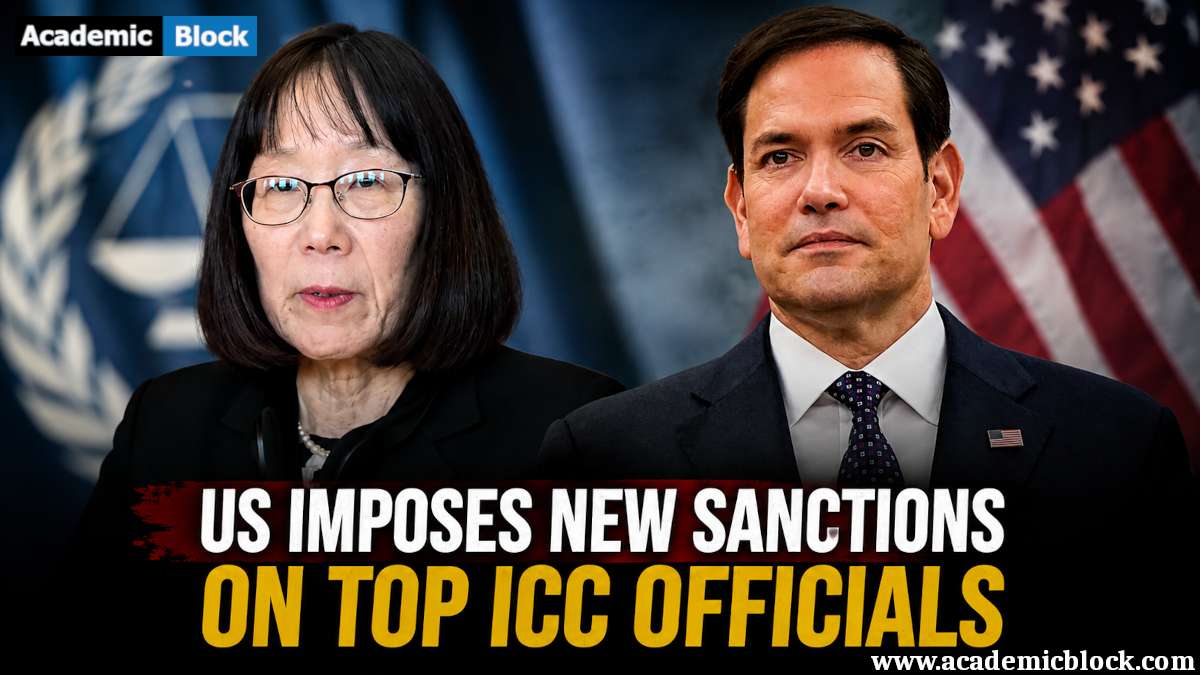
Washington says both officials supported ICC efforts to investigate, arrest, detain and prosecute people whose governments have not accepted the court’s jurisdiction. The United States has never been a member of the ICC, and Israel is also not a member. Washington argues that the court’s actions threaten American sovereignty and exceed its mandate However, the ICC says it can exercise jurisdiction in certain circumstances, including cases linked to the territory of a member state. The new sanctions mark another step in the Trump administration’s widening campaign against the international court.
US-ICC Dispute Deepens Over Gaza, Afghanistan and American Sovereignty
The dispute between the United States and the International Criminal Court has grown around cases involving Afghanistan and Gaza. Washington argues that the ICC has exceeded its authority by pursuing officials from countries that are not members of the court. The US also says such actions could threaten its sovereignty and expose American personnel to prosecution. The disagreement dates back to an ICC investigation into alleged crimes involving US forces in Afghanistan.
The conflict has also sharpened over Israel. In November 2024, the ICC issued arrest warrants for Israeli Prime Minister Benjamin Netanyahu and former Defense Minister Yoav Gallant over alleged crimes linked to the Gaza conflict. The United States opposed the warrants, while the ICC defended its authority under the Rome Statute(The international treaty that established the ICC and governs how it operates). Netanyahu and the Israeli government have rejected the allegations. The Trump administration has since expanded its pressure campaign against the court. Washington has also urged other countries to end their funding and participation in the ICC, turning the dispute into a broader question of international law, sovereignty and the court’s authority.
ICC Pushes Back Against US Pressure as Concerns Grow Across Europe
The International Criminal Court has rejected the latest US sanctions, saying they “undermine the rule of law.” The court has warned that pressure on judges, prosecutors and staff could weaken the wider international legal system. Meanwhile, the measures have triggered concern in Europe, particularly in the Netherlands, which hosts the ICC in The Hague. Dutch Foreign Minister Tom Berendsen has criticized the US action and reaffirmed support for the court’s independence. He has also invited ICC President Tomoko Akane to discuss continued Dutch support. The response shows that the dispute has become a wider concern for European governments.
The confrontation has also entered the US legal system. Three ICC judges sued the Trump administration in June over earlier sanctions, arguing that the measures were unlawful. Human rights groups have also filed a separate legal challenge against the administration’s sanctions campaign. The sanctions have widened the dispute from individual officials to a larger fight over the reach of the ICC and Washington’s willingness to challenge it.
Web resources on US Sanctions ICC President and Senior Lawyer
1. BBC.com : US announces new sanctions on top ICC figures.
2. CNN.com : US sanctions ICC president and senior prosecutor amid campaign to dismantle the international court.
3. Euro News.com : ICC hits back after US announces fresh sanctions on senior court figures.
4. Reuters.com : US sanctions ICC president, senior trial lawyer in latest attack on court