
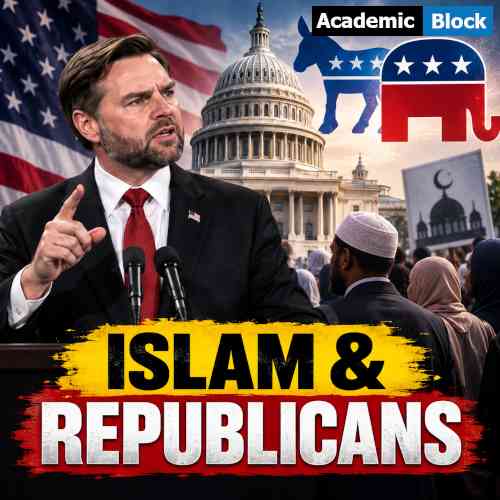
Muslims Become a Campaign Issue for Republicans Ahead of 2026 US Midterms
Republicans are increasingly making Muslim identity and Islam part of their campaigns ahead of the November 3 midterm elections. The issue has appeared in Senate, governor and House races, as candidates raise concerns about extremism, national security and religious influence. Vice President JD Vance has attacked Michigan Senate hopeful Abdul El-Sayed, a Muslim Democrat, accusing him of defending terrorism over comments he made after a March attack on a Detroit-area synagogue. However, Democrats and civil rights groups have criticized such rhetoric as unfair targeting of Muslim Americans.
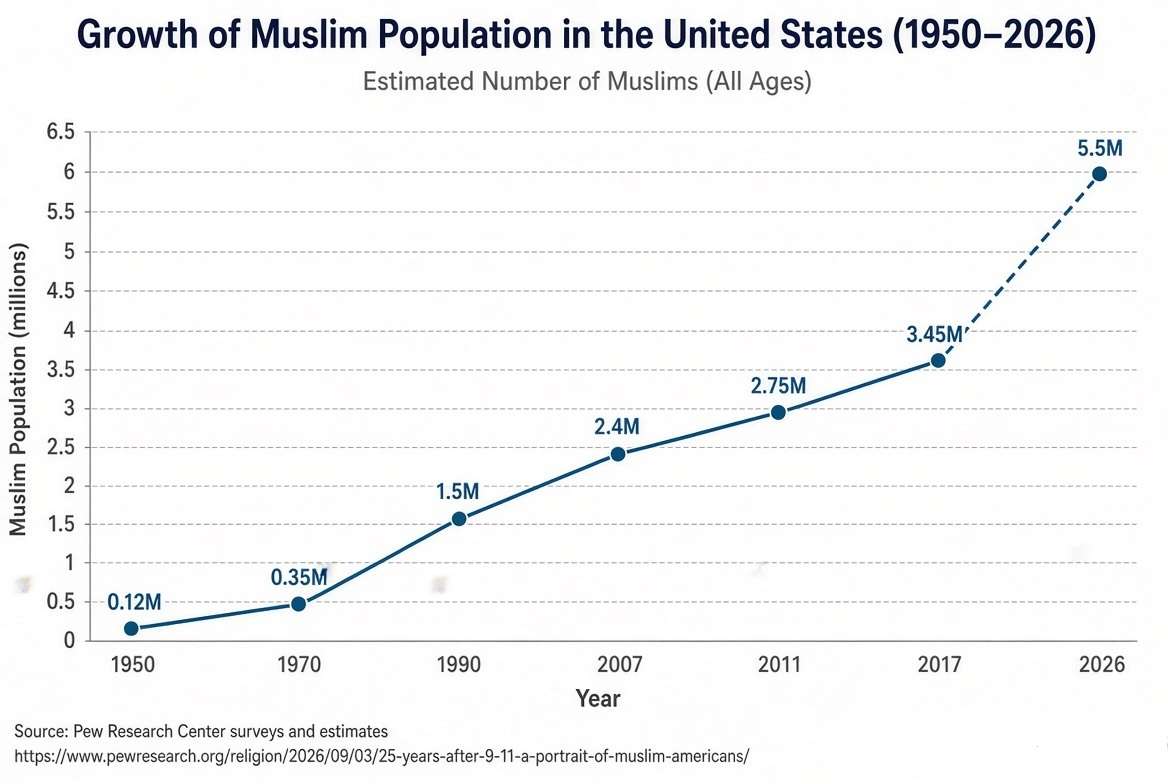
Republicans have defended their approach by saying they are addressing security concerns rather than targeting a religion. In addition, several key races remain closely contested, increasing the political importance of the issue. As the midterms approach, the growing focus on Muslims shows how identity, security and religious freedom have become increasingly linked in the 2026 campaign debate.
Republicans Say Their Muslim Policy Focus Is About Security, Not Religion
Republican leaders say their focus on Islam and Muslim-related issues concerns national security, extremism and public policy, rather than religion itself. They argue that voters have a legitimate interest in preventing terrorism and addressing activities that could threaten public safety. The security argument has appeared in other Republican campaigns ahead of the 2026 US midterms. Senator Tommy Tuberville has warned that “the enemy is inside the gates” and has focused on what he calls radical Islam. Representatives Keith Self and Chip Roy have formed the Sharia Free America Caucus, which they present as a defense of American law. Representative Randy Fine has also introduced legislation targeting what he describes as the spread of sharia law.
The debate has also expanded beyond campaign speeches into public policy. In Texas, Governor Greg Abbott has defended an investigation into a proposed Muslim-led real estate project and alleged that it could involve “sharia courts.” Developers and civil rights groups have rejected that claim. Abbott’s campaign says the investigation concerns alleged illegal conduct rather than religious beliefs. As the 2026 midterms approach, the key question is whether these security arguments will address voters’ concerns or deepen religious and political divisions.
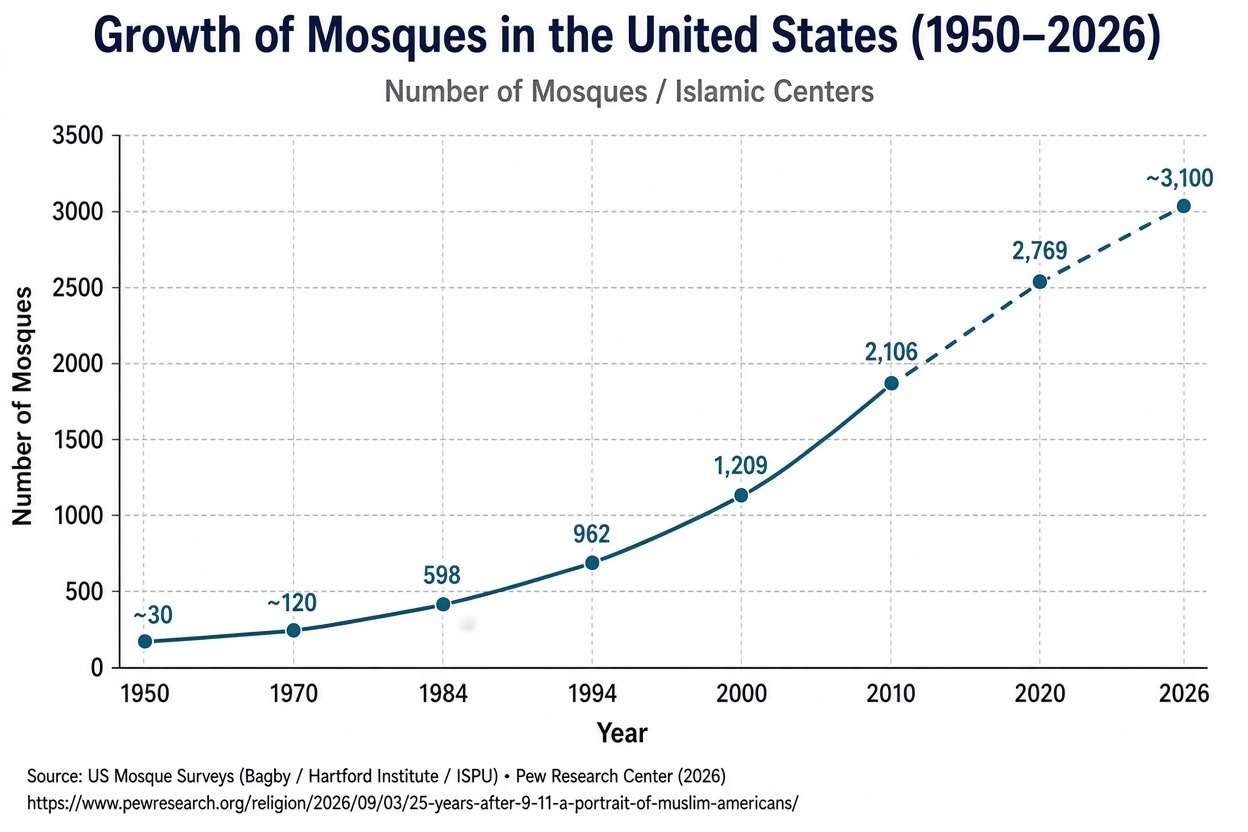
Why Muslim Voters Have Historically Leaned Democratic and Why That Is Changing
For decades, Muslim Americans have generally leaned toward the Democratic Party on several major policy issues. These include immigration, racial diversity, civil rights and the role of government. In 2017, 66% of Muslim adults identified with or leaned Democratic, compared with 13% who leaned Republican. According to Pew Research Center, Muslim Americans generally support immigration, diversity and public services, while their views on family roles, homosexuality, transgender acceptance, abortion and religion issues remain diverse.
The Democratic advantage has narrowed considerably in recent years. Pew’s 2025 analysis found that 53% of Muslim adults identified with or leaned Democratic, while 42% identified with or leaned Republican. Disappointment with President Joe Biden’s handling of the Israel-Hamas war has also been linked to this shift. Therefore, Muslim Americans cannot be treated as a permanent Democratic voting bloc. Their political choices have reflected changing policy priorities, social views and political experiences. At the same time, the growing Republican share shows that Muslim voters can move between parties when their priorities change. As the 2026 US midterm elections approach.As the 2026 midterms approach, the central debate is whether these campaigns address genuine security concerns or deepen religious and political divisions.
Web Resources On Muslims as a campaign issue for Republicans
1. Reuters : Republicans are making Muslims a campaign issue in the 2026 US midterms.
2. PEW Research : Muslim Americans share political attitudes with both the Democratic and Republican parties.
3. Economic Times : Muslims emerge as a campaign issue for Republicans ahead of 2026 US midterms.