
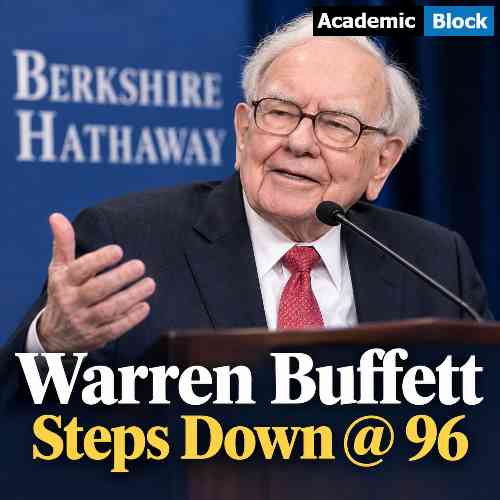
Warren Buffett Ends Tenure as Berkshire Hathaway Chairman
Warren Buffett, one of the most influential investors in modern financial history, has stepped down as chairman of Berkshire Hathaway, bringing an important chapter in the company’s leadership to a close. The 96-year-old investor has handed the chairmanship to his son, Howard G. Buffett, while continuing to serve as a director and chairman emeritus.
The announcement, made on September 18, 2026, marks a significant transition for a company that Buffett has helped transform over more than six decades. Under his leadership, Berkshire Hathaway has developed from a struggling textile business into a diversified conglomerate with interests in insurance, energy, rail transportation, manufacturing and other industries.
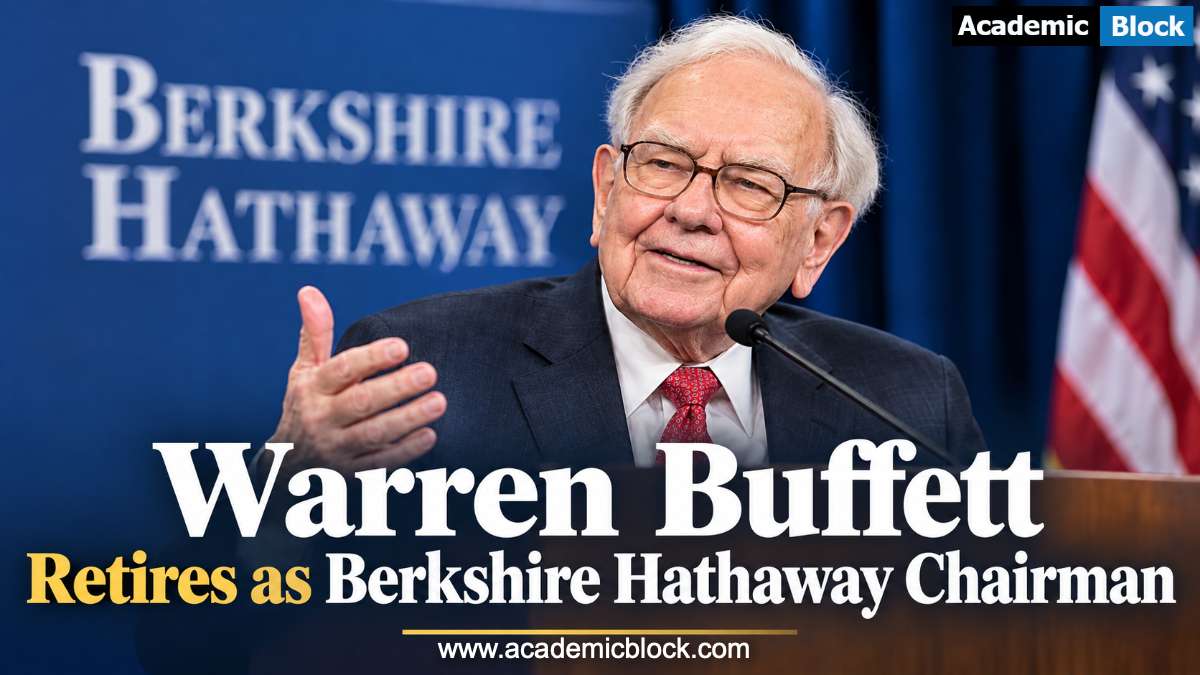
However, Buffett’s departure from the chairmanship does not represent a complete withdrawal from the company. He will remain involved as a board member and has expressed confidence in Berkshire’s future under its current leadership.
Warren Buffett Hands Over the Chairmanship to His Son
Berkshire Hathaway announced that Howard G. Buffett has been elected chairman of the board with immediate effect. Howard has served as a Berkshire director since 1993, giving him more than three decades of experience with the company. The appointment is part of a succession process that has been developing over several years. While Howard will focus on protecting Berkshire’s corporate culture and values, Greg Abel will continue to lead the company’s operations as chief executive officer.
The distinction between the two roles is important. Abel is responsible for running the business, while Howard’s chairmanship is expected to emphasize the preservation of the principles that have shaped Berkshire Hathaway under Warren Buffett. In its official announcement, Berkshire Hathaway emphasized Howard’s experience in charitable work and corporate governance. He has led the Howard G. Buffett Foundation since 1999, where his work has focused on global food security and conflict mitigation.
Buffett from a Struggling Textile Company to a Global Conglomerate
Warren Buffett was born on August 30, 1930, in Omaha, Nebraska. He was raised in a Protestant Christian family but has long described himself as an agnostic. He does not follow any organized religion.
Warren Buffett began his association with Berkshire Hathaway in 1965. Over the following decades, he reshaped the company through acquisitions, long-term investments and a decentralized management approach. Berkshire has expanded its business activities across several industries, including insurance and reinsurance, utilities and energy, freight rail transportation, manufacturing, services and retailing.
This diversified structure has become a defining feature of the company. Rather than depending on a single industry, Berkshire has developed a broad portfolio of businesses and investments. Buffett’s investment philosophy has also influenced generations of investors. He has consistently emphasized the importance of understanding businesses, considering long-term value and avoiding decisions driven solely by short-term market movements.
The Investment Philosophy That Defined Warren Buffett Career
Buffett became widely known as the “Oracle of Omaha,” a reference to his investment success and his long association with Omaha, Nebraska. His approach has generally focused on identifying businesses with strong fundamentals and acquiring them at reasonable prices. He has also advocated patience, financial discipline and a long-term perspective.
However, his influence has extended beyond investment techniques. Through Berkshire Hathaway’s annual shareholder meetings and letters, Buffett has developed a distinctive relationship with investors. His straightforward explanations of business decisions have helped make complex financial subjects accessible to a broad audience. His leadership has therefore been associated not only with financial performance but also with a particular corporate culture that emphasizes shareholder interests and long-term thinking.
Greg Abel to Continue as Chief Executive Officer
The chairmanship transition has followed an earlier change in Berkshire Hathaway’s executive leadership. Greg Abel succeeded Warren Buffett as chief executive officer in 2026, after Buffett had announced his intention to step down from that position. Abel had previously served as vice chairman responsible for Berkshire’s non-insurance operations.
With Abel continuing as CEO and Howard Buffett becoming chairman, the company’s leadership structure now separates operational management from the responsibility of preserving its corporate culture. This arrangement reflects the succession planning that Berkshire Hathaway has been developing. It also places greater emphasis on how the company will maintain its established principles while adapting to changing business conditions.
Howard Buffett’s Role in Preserving Berkshire’s Culture
Howard Buffett’s appointment carries a responsibility beyond the formal duties of a board chairman. Warren Buffett has described Berkshire’s culture and values as central to the company’s identity. The new chairman has experience in both charitable organizations and corporate boards. His background includes work related to food security, conflict mitigation and international humanitarian efforts.
Nevertheless, preserving Berkshire’s culture will require more than maintaining its historical traditions. The company operates across multiple industries, and its future leadership will have to balance continuity with the demands of a changing economic and investment environment. The extent to which the company maintains its distinctive management practices under the new leadership will become clearer over time.
Global Significance of Leadership Transition at Berkshire Hathaway
Warren Buffett’s departure from the chairmanship has attracted attention because of his extraordinary influence on the investment industry and the scale of Berkshire Hathaway. For decades, investors have closely followed his decisions, shareholder letters and public statements. His retirement from the chairmanship therefore represents more than a change in corporate office. It also marks a transition from a leadership model that has been closely associated with one individual.
At the same time, Berkshire Hathaway’s succession arrangements have been designed to maintain continuity. Greg Abel is leading the company’s operations, while Howard Buffett has assumed responsibility for the board’s chairmanship. The company has not abandoned its established structure. Instead, it has moved into a new phase in which Warren Buffett’s direct leadership role has diminished, while his experience and influence remain part of the organization’s history and governance.
Web Resources on Warren Buffett retirement from Berkshire Hathaway
1. Berkshire Hathaway: Warren E. Buffett Becomes Chairman Emeritus, Remains Director.
2. Fox Business: Warren Buffett steps down as chairman of Berkshire Hathaway.
3. ABC News: Warren Buffett steps down as Berkshire Hathaway chairman.
4. CNN News: Warren Buffett steps down as chairman of Berkshire Hathaway.