
European Spy Chiefs Warn Russia Could Test NATO in Coming Months
European intelligence officials have warned that Russia could test NATO in the coming months as the war in Ukraine continues. Czech intelligence chief Michal Koudelka said Moscow could consider a limited incursion, a false-flag provocation or a major influence campaign in “months, not years.” He also pointed to possible drone activity and other forms of pressure against NATO members.
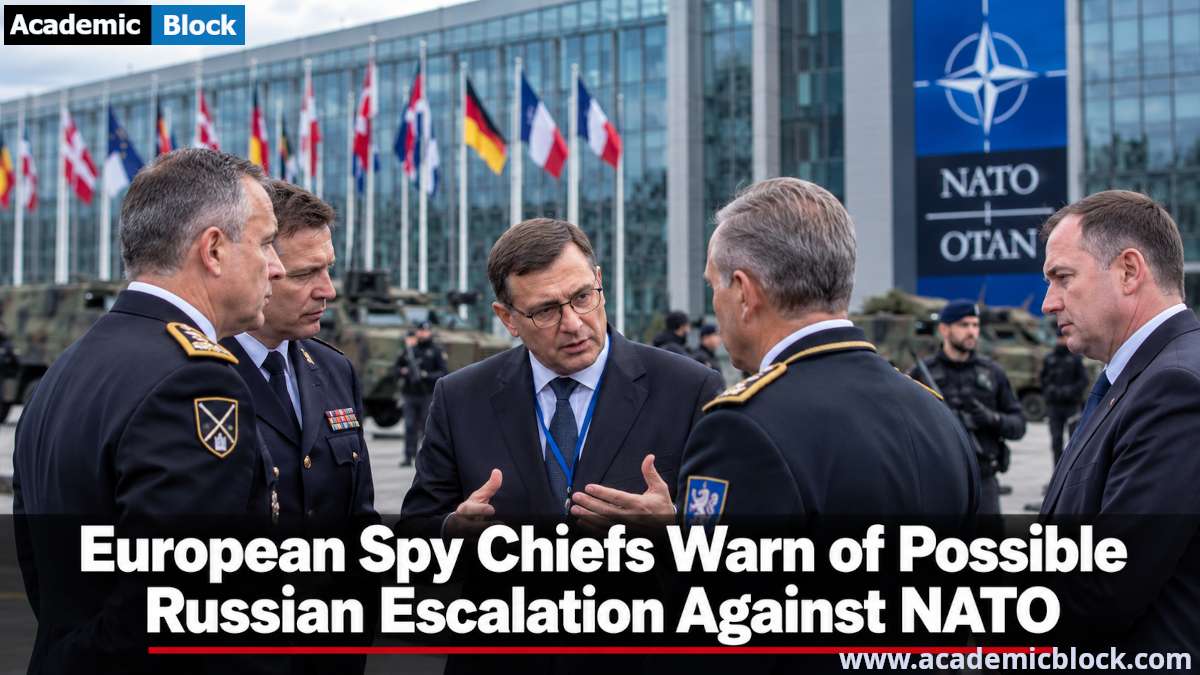
Polish Prime Minister Donald Tusk has separately warned of possible Russian drone or missile strikes on NATO territory, while French President Emmanuel Macron has described the concerns as sound and well documented. However, European officials have offered different assessments of the immediate risk. The differing assessments underline a growing concern across Europe while an immediate Russian attack on NATO is not considered inevitable, officials are preparing for Moscow to test the alliance through a range of military and hybrid tactics.
Hybrid Warfare Opens a Second Front in the Russia-NATO Conflict
Hybrid warfare has become an important part of the wider Russia-NATO confrontation. European intelligence chiefs have warned that Russia could intensify sabotage efforts against railway infrastructure, supply routes and defense industry facilities. However, the campaign could also involve cyber operations, drone incidents and disinformation. Swedish intelligence chief Thomas Nilsson described a drone incident at Leipzig airport as a potential turning point. He said similar activity could become more significant. In addition, European officials have warned that Moscow could use limited incursions, false-flag provocations or other actions to test NATO’s response in the coming months.
These operations could serve several purposes. They could weaken public support for Ukraine, create divisions within NATO and increase fear among European populations. At the same time, repeated fires, malfunctions and other suspicious incidents have placed greater pressure on intelligence services, which must determine whether hostile activity caused them. Polish Prime Minister Donald Tusk has also warned of possible Russian drone or missile strikes on NATO territory, potentially presented as accidents. As a result, the Russia-NATO confrontation is extending beyond the battlefield, putting NATO unity, public confidence and continued support for Ukraine at the centre of Europe’s broader security challenge.
Kremlin Rejects Reports of a Russian Plan to Attack NATO
Kremlin spokesman Dmitry Peskov has rejected reports that Russia is preparing to attack NATO, saying such claims have “nothing to do with reality” and do not reflect the Russian Federation’s intentions. However, his comments come as European officials have raised concerns about possible Russian actions. Latvia’s intelligence chief Normunds Mežviets has said there are no signs of an imminent Russian attack, although he has warned that Moscow appears to be preparing for more decisive action in Europe.
Estonian official Jonatan Vseviov has urged the public to avoid panic, warning that fear itself could serve Russia’s broader pressure campaign. Meanwhile, concerns remain over Russia’s military signalling, hybrid operations and other forms of pressure against European countries. The challenge for Europe is to strengthen NATO’s deterrence without allowing fear and uncertainty to deepen the tensions it is trying to contain.
Web Resources on European Spy Chiefs Warn Russia Could Test NATO
1. Guardian : European spy chiefs warn Moscow is planning more decisive action against Nato.
2. Politico : NATO ‘ready’ for potential Russian false flag attack, alliance’s top general says.
3. UNN.ua : European intelligence services have warned of possible Russian actions against NATO within the next few months.