
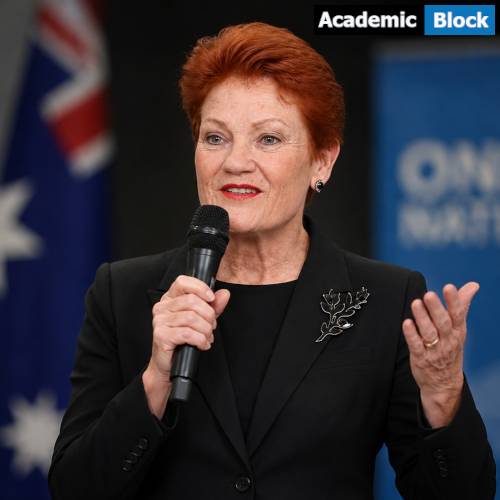
One Nation Tops Australia Poll as Budget Backlash Fuels Surge
Australia’s political landscape is experiencing a notable shift as One Nation records its strongest national polling result since the party was founded. The far-right party has secured 31% support, overtaking the ruling Labor Party at 28% and the opposition coalition at 20%. The result reflects growing voter frustration over the cost-of-living crisis, rising inflation, and ongoing economic uncertainty. Many Australians are struggling with higher mortgage repayments, expensive groceries, and increasing energy costs. As household budgets tighten, confidence in traditional political parties appears to be weakening. The latest poll suggests that a growing number of voters are searching for alternatives that they believe can better address their financial concerns.
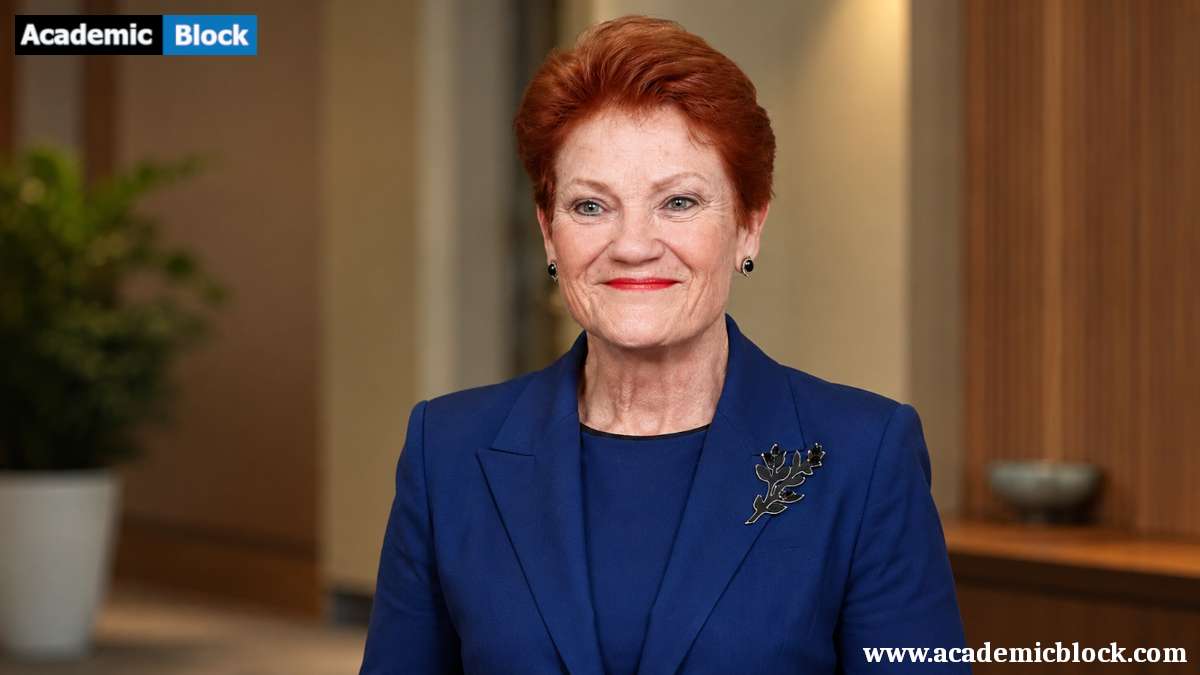
The surge has emerged during a period of intense pressure on Australian families. Housing affordability remains a major challenge, particularly for younger generations attempting to enter the property market. In addition, concerns about wage growth, job security, and long-term economic stability continue to shape public opinion. Against this backdrop, One Nation has successfully positioned itself as a challenger to the political establishment. The party’s rise highlights a broader trend in which economic anxiety is becoming a powerful force in reshaping voter behaviour across the country.
Why One Nation Is Rising in the Polls
One Nation’s growing popularity reflects dissatisfaction with how major parties have responded to economic challenges. Many voters believe that rising living costs have outpaced wage growth, making it harder to manage everyday expenses. Inflation, housing costs, and financial insecurity have become dominant issues in public debate. As a result, One Nation has attracted support from Australians who feel that mainstream political leaders have not delivered effective solutions. The party has benefited from presenting itself as an alternative voice during a period of economic strain.
The party has also gained momentum through its focus on immigration, border security, and national identity. These issues continue to resonate with voters who want stricter controls and clearer government policies. In addition, some Australians feel disconnected from established political institutions and believe their concerns are overlooked. This sentiment has helped One Nation expand beyond its traditional support base and attract voters from different demographic groups. The latest polling suggests that the party’s appeal now extends well beyond its core supporters, reflecting a deeper frustration with the current political environment.
What the Result Means for Labor and Australia’s Political Future
Despite leading in primary vote support, One Nation does not have a clear path to government. Australia’s preferential voting system gives significant weight to second and third preferences, which can change the final election outcome. Current polling still shows Labor holding a narrow 51% to 49% advantage on a two-party-preferred basis. This means the governing party remains competitive, even as voter dissatisfaction grows. However, the poll serves as a warning that public confidence cannot be taken for granted.
For Labor and the opposition coalition, the result underscores the importance of addressing cost-of-living pressures and rebuilding trust with voters. Economic concerns now dominate the political conversation, and parties that fail to respond risk losing further support. The rise of One Nation also mirrors trends seen in several other democracies, where populist movements gain momentum during periods of financial uncertainty. Whether the party can convert polling success into electoral gains remains unclear. Nevertheless, its rapid rise has already altered Australia’s political debate and increased pressure on major parties to offer convincing solutions for voters facing economic hardship.
Web Resources On One Nation Leads Australia Poll for First Time
1. Reuters.com : Australia’s far-right party leads in national poll for first time.
2. Guardian.com : Pauline Hanson is no prime minister. This is what Labor must do to stem the rise of One Nation.
3. ABC News : Even Hanson knows polling isn’t everything but major parties have their work cut out.