

Trump proposes 10% tariffs on Canada, Mexico and EU over forced labor
The Trump administration has proposed new 10% tariffs on imports from Canada, Mexico and the European Union. The move could affect some of America’s largest trading relationships. Officials said the plan aims to tackle forced labor concerns in global supply chains and give U.S. workers and businesses a fairer footing. The proposal follows a U.S. Trade Representative review of 60 trading partners.
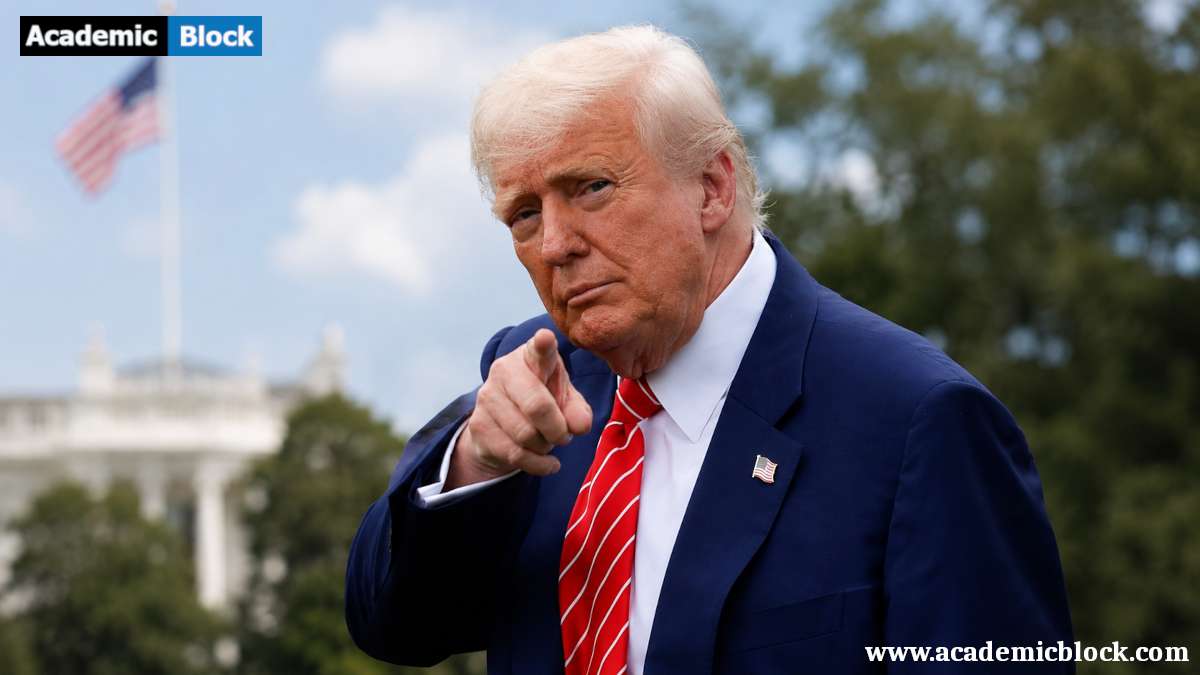
The proposal would also impose a 12.5% tariff on imports from 54 economies that do not maintain comparable forced-labor import restrictions. Countries reportedly included in this category are India, China, Japan, South Korea, Brazil, Switzerland, Australia, Sri Lanka, Türkiye, the United Arab Emirates and Vietnam. Meanwhile, a separate 10% tariff would apply to countries that already enforce similar restrictions on goods linked to forced labor. U.S. Trade Representative Jamieson Greer said weak labor enforcement can hurt American manufacturers and workers. In addition, the proposal comes as Washington continues trade talks with the European Union and reviews the United States–Mexico–Canada Agreement (USMCA).
U.S. ties new tariffs to forced-labor findings
According to the United States Trade Representative (USTR) report, several countries did not fully enforce rules meant to keep goods linked to forced labor out of supply chains. The review found that weak enforcement can let cheaper products compete against companies that follow stricter labor standards. However, U.S. officials argue that this creates an uneven market and puts American businesses at a disadvantage.
The draft plan also includes several exemptions for important goods. Energy products, rare earth minerals and certain metals would stay outside the tariff framework. Also, beef, coffee, selected agricultural products, pharmaceuticals and aircraft parts would not face the proposed duties. USTR also set out a separate textile mechanism that would allow limited imports at lower tariff rates.
Section 301 plan moves toward public review
The proposal has now moved into a formal public review stage before any final decision takes effect. USTR will accept written comments through July 6 and will hold a public hearing on July 7. Officials said feedback from businesses, industry groups and other stakeholders will help shape the next step in the process. The review comes before a temporary 10% tariff expires on July 24.
The administration is leaning more heavily on Section 301 after a February Supreme Court ruling restricted the use of certain emergency tariff powers under International Emergency Economic Powers Act (IEEPA) . That shift has placed more attention on the outcome of this review and its wider impact on U.S. trade policy. If approved, the proposal could affect import costs, supply chain choices and future trade talks with key partners. The next few weeks could show whether this is a warning shot, or the start of a much bigger trade fight.
Web Resources on Trump proposes 10% tariffs on Canada, Mexico and EU
1. Reuters.com : US proposes tariffs of 10% or 12.5% on goods from 60 economies over forced labor failures.
2. Politico.com : Trump administration proposes 10 percent tariff on Canada, Mexico and the EU over forced labor.
3. Bloomberg.com : Trump Begins Rebuilding His Tariff Wall With Proposed New Levies.