
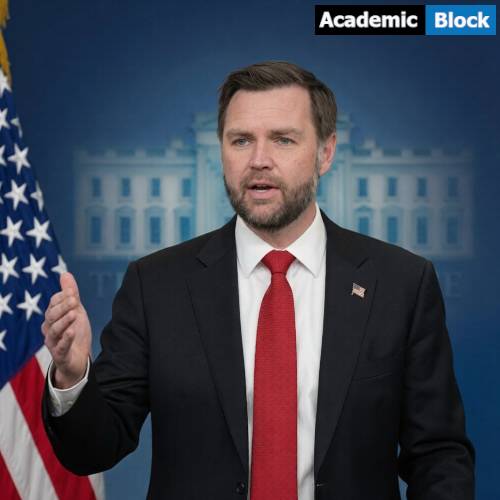
U.S. Vice President JD Vance Cancels Geneva Trip for Iran Peace Talks
U.S. Vice President JD Vance has canceled his planned trip to Geneva, where he was due to meet Iranian negotiators for a new round of peace talks. The White House said officials had treated the visit as an important step in the U.S.-Iran peace process. The postponement has added fresh uncertainty at a sensitive moment.
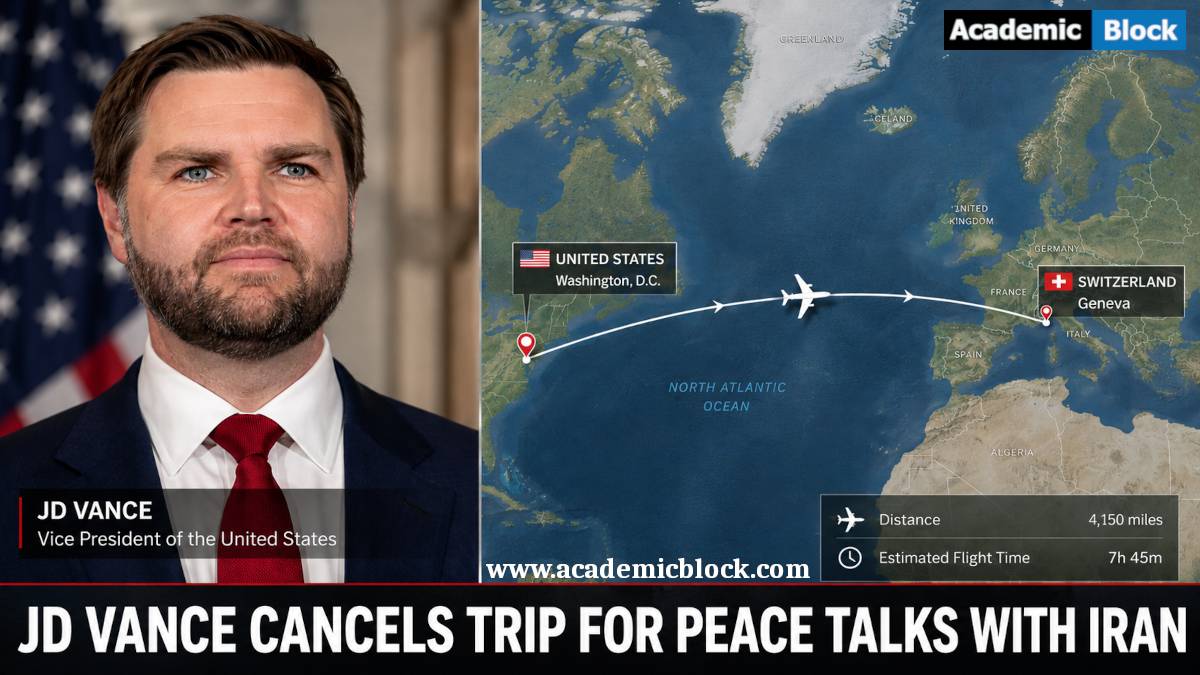
The move also came as both sides raised doubts over a planned signing ceremony. U.S. officials had wanted a formal event in Geneva, however Iran’s foreign ministry questioned its need after the leaders had already signed the agreement. Iran said it was ready for technical talks, also it wanted clear signs that Washington would honor its commitments. In addition, the delay has raised new concerns about whether this diplomatic effort can keep real momentum and deliver lasting progress.
Israel-Lebanon Conflict and Nuclear Doubts Strain Fragile Ceasefire
The Israel-Lebanon conflict has continued to put the wider peace effort under heavy strain. Israeli strikes against Hezbollah have also kept the region on edge, even as diplomats try to hold the ceasefire together. As a result, concern has grown over how long the truce can last. In addition, the fighting has drawn attention away from the U.S.-Iran talks, which are meant to support a broader regional settlement. The human toll has been severe, with thousands killed and many more displaced, especially in Lebanon.
Questions over Iran’s nuclear program have added another layer of uncertainty. U.S. officials have said that Iran would invite the IAEA to inspect its nuclear sites and help identify its enriched material. The agreement gives both sides 60 days to reach a fuller deal, and it includes sanctions relief, oil export waivers, and a possible reconstruction fund. However, critics in Washington say the deal still faces serious risks because Israel has kept up its military operations in Lebanon. The mix of nuclear doubts, regional violence, and political tension has made the ceasefire look even more fragile.
White House Cites Logistics as Iran Negotiations Stall in Geneva
The White House said logistical challenges involving travel schedules, security arrangements, and diplomatic coordination forced the delay of Vice President JD Vance’s planned trip to Geneva. He was set to meet Iranian negotiators and help open the next stage of U.S.-Iran talks. Officials had hoped to move the peace process forward, however the timing, delegation plans, and formal arrangements proved difficult to finalize.
The latest delay has increased uncertainty over the path forward for the negotiations. In addition, disagreements over a planned signing ceremony have further tested trust between the two sides. Regional tension has also rippled through global markets, with disruptions in the Strait of Hormuz earlier pushing oil prices higher and shaking supply chains. Tanker traffic has now resumed . With the 60-day implementation period now underway, both Washington and Tehran face growing pressure to translate diplomatic promises into concrete action. The coming weeks could determine whether the agreement evolves into a lasting framework for stability or becomes another missed opportunity in a region already burdened by conflict.
Web resources on U.S. Vice President JD Vance Cancels Geneva Trip
1. Reuters.com : US vice president cancels trip for peace talks with Iran.
2. Guardian.com : US-Iran talks in Switzerland abruptly called off, as Israel and Hezbollah trade attacks in Lebanon
3. ABC News.com : Vance delays trip to Switzerland to lead new US talks with Iran on its nuclear program
4. AP News : Vance delays trip to Switzerland to lead new US talks with Iran on its nuclear program.