
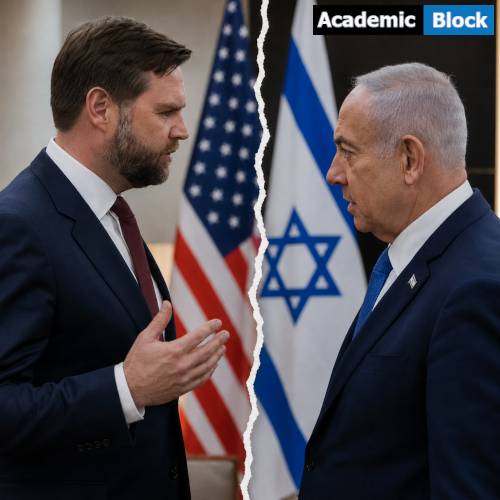
JD Vance Warns Israel Against Turning on America
U.S. Vice President JD Vance issued a sharp warning as criticism of the U.S.-Iran agreement intensified in Israel. Speaking at the White House, he said Israeli leaders should think carefully before directing their frustration toward Washington. Vance argued that President Donald Trump remains one of Israel’s strongest international supporters. He also highlighted the military assistance, diplomatic backing, and security cooperation that the United States has provided throughout years of regional instability.
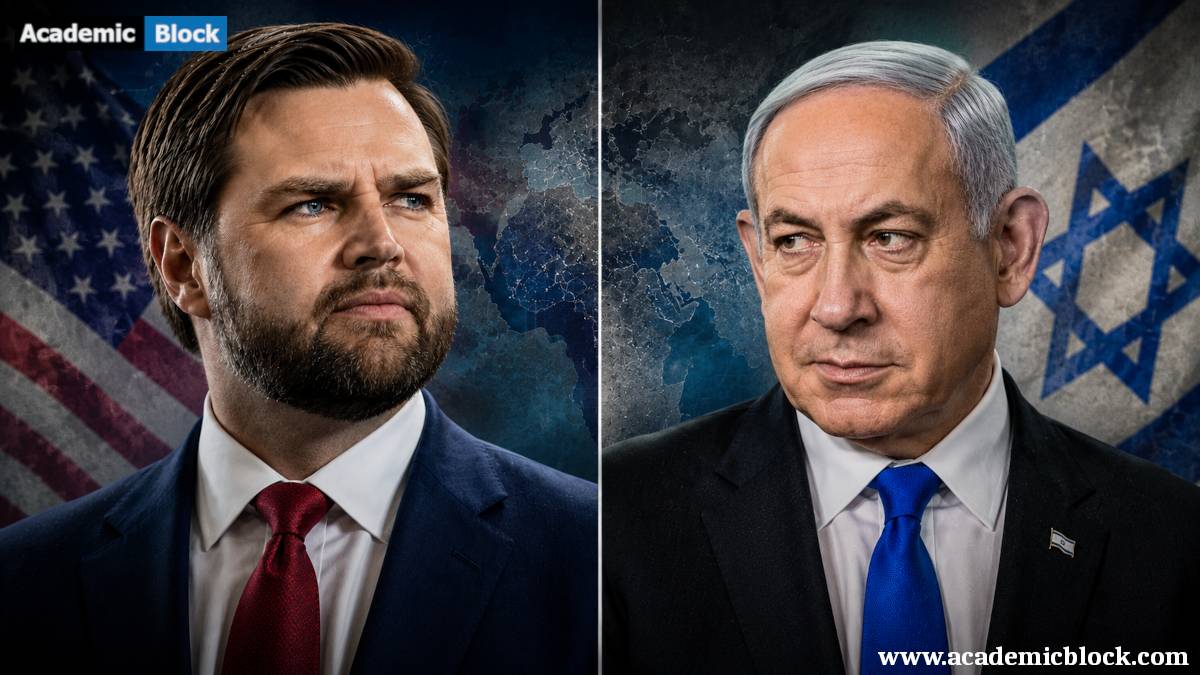
The comments came at a sensitive moment for U.S.-Israel relations. Several Israeli politicians have questioned the agreement and warned that it could increase Iran’s influence across the Middle East. However, Vance stressed that disagreements over a single policy should not overshadow a long-standing strategic partnership. He urged leaders to focus on shared security goals and avoid actions that could strain relations between the two allies.
Israel’s Concerns Highlight a Growing Policy Divide
Israeli officials who oppose the U.S.-Iran agreement have raised fresh concerns about its long-term impact. They say the deal does not place enough restrictions on Iran’s nuclear activities or its ballistic missile capabilities. Many also worry that Tehran could gain economic benefits before making meaningful concessions. As a result, the agreement has triggered intense debate inside Israel’s political and security circles.
Vice President JD Vance has pushed back against those criticisms in interviews and White House briefings. He asked how a country of about 9 million people can solve every security challenge through military force alone. He said not every problem has a military answer, and he also argued that diplomacy still has a role to play. The agreement is meant to reduce conflict in the Middle East, advance talks on Iran’s nuclear program, and restore normal oil flows through the Strait of Hormuz. However, the dispute remains open, and Prime Minister Benjamin Netanyahu has said Israel will keep its military presence in southern Lebanon for security reasons.The disagreement has therefore evolved into a broader policy debate about how best to address security threats, preserve regional stability, and manage the future of U.S.-Israel relations.
Vance Defends Trump and Pushes Diplomacy Over Escalation
Vice President JD Vance strongly defended President Donald Trump against criticism from senior Israeli officials who oppose the U.S.-Iran agreement. He said some critics have focused too heavily on political disputes and have missed the broader security picture. According to Vance, the main challenge remains Iran’s regional influence, not Washington’s effort to pursue negotiations. He also said criticism alone does not offer a real strategy for reducing tension or preventing future conflict.
Vance also said diplomacy and security measures must work together. He argued that military power can deter threats, however lasting stability often needs negotiation and coordination. In addition, he urged leaders to judge realistic options instead of reacting emotionally to difficult compromises. His remarks reflected the administration’s view that dialogue remains an important tool for managing complex regional disputes. In the end, he made one point clear that the region needs practical solutions, not louder conflict.
Web Resources On JD Vance Warns Israel
1. New York Post : Vance issues harsh warning to Israelis slamming Trump’s Iran deal.
2. Jerusalem Post : Israel should not attack its only powerful ally left, must abide by peace in Lebanon.
3. AP News : Vance warns Israeli critics of the US: Don’t attack the ‘only powerful ally’ you have left