
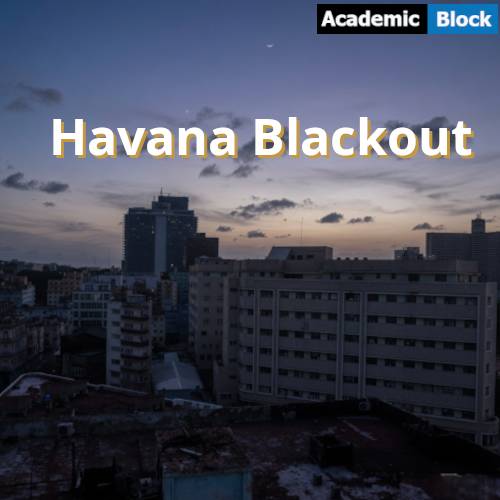
Cuba Suffers Nationwide Electrical Grid Failure Under US Fuel Blockade
Cuba suffered another nationwide blackout on Monday after its national electrical grid collapsed, leaving nearly 10 million people without electricity. The outage disrupted transportation, healthcare, and other essential services across the island. The outage was the country’s third nationwide grid failure of 2026 and the eighth since October 2025, highlighting the continuing strain on its power system. State-run utility Electric Union (UNE) confirmed that the National Electric Power System had experienced a “total disconnection” and said officials had launched an investigation into the cause.
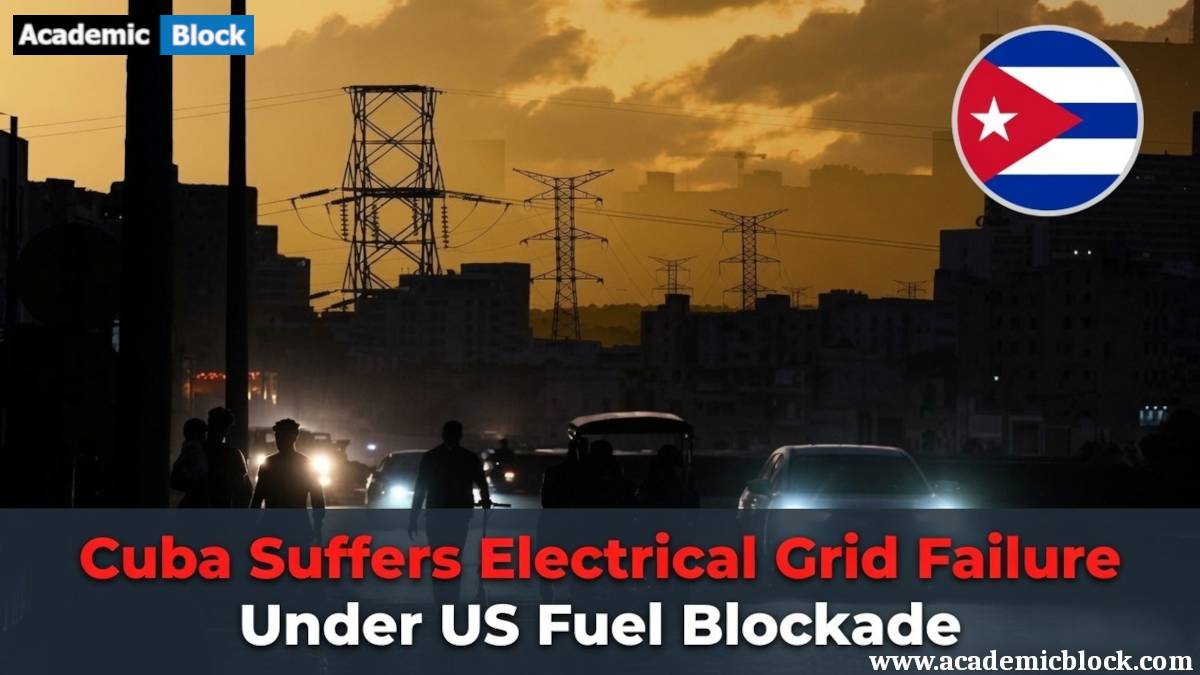
Cuba’s energy crisis has been shaped by long-standing U.S. sanctions. Under those measures, the United States does not export oil to Cuba, and many U.S. companies are prohibited from doing business with the island under American law. In addition, some foreign companies, banks, and shipping firms avoid fuel-related transactions with Cuba because they fear violating U.S. sanctions or facing financial penalties. Cuban officials say these restrictions have made imported oil more difficult and expensive to obtain, further tightening fuel supplies.
Cuba Blames Washington for Deepening Energy Crisis Amid US Fuel Sanctions
Cuban officials say the country’s energy crisis has become more severe because fuel imports have become increasingly difficult to secure. President Miguel Díaz-Canel accused the United States of restricting fuel supplies in an attempt to increase economic pressure and social unrest on the island.Cuban Foreign Trade and Investment Minister Oscar Pérez-Oliva Fraga, however, described the sanctions as “collective punishment” against the Cuban people. Energy and Mines Minister Vicente de la O Levy also said fuel shortages and external restrictions have complicated efforts to restore electricity and maintain reliable power generation.
At the same time, Washington has continued to raise concerns over Cuba’s ties with Russia and China, while Havana has repeatedly denied those allegations. As diplomatic tensions continue, the latest blackout has reinforced how closely Cuba’s energy security remains linked to its broader geopolitical relationship with the United States.
Geopolitical Tensions, Fuel Shortages and Aging Grid Deepen Cuba’s Power Crisis
Cuba’s electricity network has struggled for years because much of its infrastructure dates back several decades. At the same time, Cuba produces only about 40% of the fuel it needs, forcing the country to depend heavily on imported oil to keep its thermal power plants operating.Fuel supply challenges have further weakened the power system.
Venezuela served as Cuba’s main oil supplier for many years, but declining deliveries have reduced the fuel available for electricity generation. Russia has provided temporary support by shipping additional oil to the island. According to reports, a Russian tanker delivered around 730,000 barrels of oil in March 2026, although those supplies were exhausted within weeks. Meanwhile, Cuban officials argue that long-standing U.S. sanctions and restrictions on fuel shipments have made it more difficult to secure additional imports, further deepening the energy crisis. The latest blackout highlights that Cuba’s energy crisis extends beyond a temporary power failure. It reflects the combined impact of aging infrastructure, fuel shortages, and geopolitical tensions that continue to shape the island’s energy future.
Web Resources on Cuba Suffers Nationwide Electrical Grid Failure
1. CNN.com : Cuba hit with nationwide blackout as US pressure continues.
2. Fox News.com : Cuba plunges into third major blackout this year as power crisis worsens.
3. Indian Express.com : Why has Cuba’s power grid collapsed again and is the US blockade to blame?