
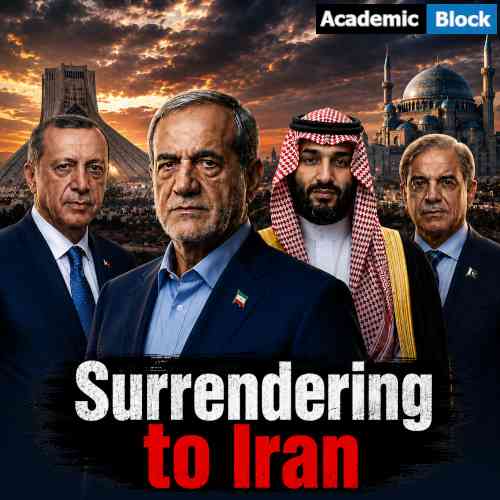
Iran Invited to Join Mecca Defense Pact by Saudi Arabia, Turkey and Pakistan
Iran has received an invitation to join the Mecca Joint Defense Agreement. Saudi Arabia, Türkiye and Pakistan signed this pact earlier in the month. Mehdi Rahimi, who heads the Iranian parliament’s Khaneh Mellat news agency, confirmed the invitation to Al Mayadeen. All three founding members also share close security ties with the United States. Türkiye holds NATO membership and Saudi Arabia, in addition, remains one of the region’s biggest US arms buyers. If Iran joins, its membership could reshape the alliance in a fundamental way, since the bloc was originally built around states with strong Western links.
Iran’s potential participation would carry significance far beyond a formal signature. It could reshape the Middle East’s shifting security architecture, where old rivalries and emerging alliances increasingly exist side by side.
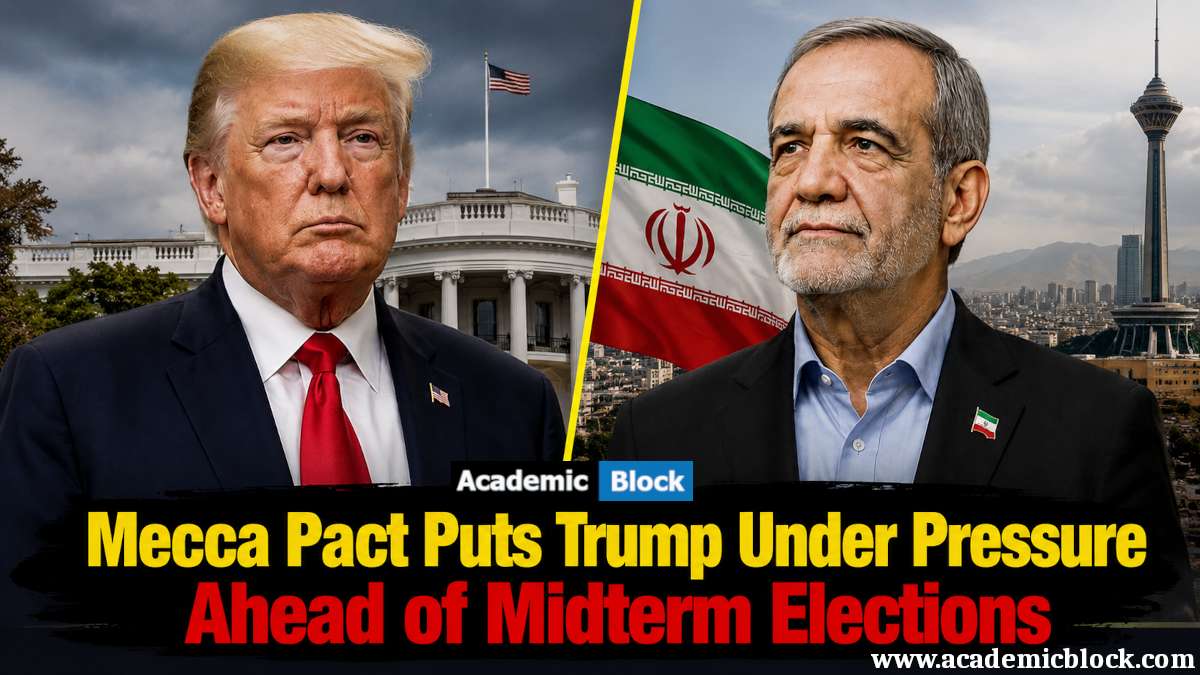
Mecca Pact Poses a Political Risk for Trump Ahead of the Midterms
The Mecca defense pact, has created a new political challenge for Donald Trump ahead of the November midterm elections. Iran’s invitation to join the alliance has added another layer of uncertainty. The pact suggests that some of Washington’s closest partners now want stronger regional security arrangements of their own. Democrats could use the move to argue that America’s influence has weakened under Trump. However, the political pressure is also growing inside the Republican Party. In addition, analysts warn that Pakistan’s nuclear capability could raise concerns about America’s long-standing nuclear non-proliferation policy. Iranian negotiators, meanwhile, appear to be taking a longer view. They want to prolong the standoff around the Strait of Hormuz until after the midterms, hoping that a weaker position in Congress could push Trump back toward negotiations.
The economic impact could make the political risk even greater. A prolonged Iran war has kept oil prices unpredictable, while inflation remains a major concern for voters. For Trump, the Mecca pact therefore represents not only a foreign-policy test, but also a potentially costly political test at home.
Mecca Pact: A Major Sign of Growing Doubts Over US Security Guarantees
Beyond the electoral battle, the Mecca pact has raised a difficult question about America’s credibility on the world stage. Saudi Arabia and Turkey had remained bitter rivals for years. However, the two countries have now joined forces in a new security arrangement. Their decision has suggested that both governments have grown less confident in US security guarantees. That shift represents a significant diplomatic setback for Washington. The concern has deepened after American military bases in the Gulf failed to prevent Iranian strikes on Saudi and Emirati facilities. As a result, countries that once relied heavily on Washington have increasingly looked for additional security options.
Iran has also moved to strengthen its position. At the same time, China has recognised an opportunity to expand its influence and position itself as an alternative power in the Middle East.The Mecca pact therefore reflects more than a new defense partnership. It shows that traditional US partners are quietly preparing for a security environment in which they may need to rely more on one another. For Washington, the message is clear, maintaining alliances now requires not only military strength, but also confidence that American security commitments will remain dependable when a crisis arrives.
Web Resources On Iran Invited to Join Mecca Defense Pact
1. Jerusalem Post : Saudi Arabia, Turkey, Pakistan invited Iran to join newly-established Mecca defense pact.
2. Politico : The new geography of Muslim power.
3. Times of India : Iran invited to join Mecca pact by Saudi Arabia, Turkey, Pakistan.