
Plane Hits Beijing’s Tallest Tower, China Still Silent
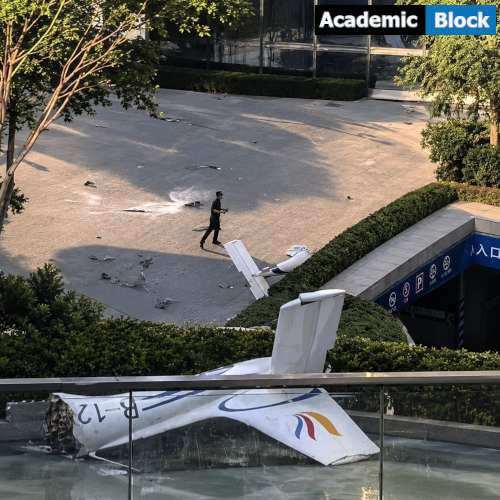
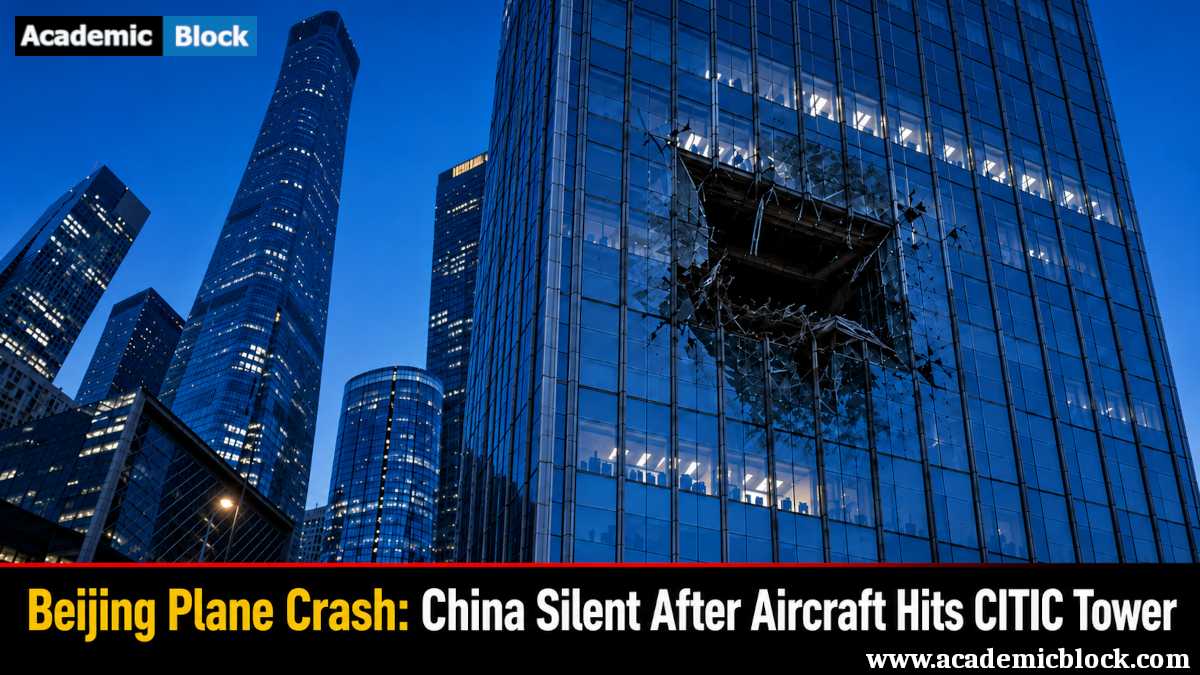
A small light aircraft crashed into Beijing’s 528-meter CITIC Tower, also known as China Zun, during rush hour. The aircraft struck the upper floors of the 109-story skyscraper, killing the pilot, who was the only person on board, and injuring 13 people on the ground. The collision sent glass and aircraft debris onto busy streets in the capital’s central business district. Emergency crews quickly evacuated parts of the building, secured the area, and treated the injured as police closed nearby roads.
Four days later, the incident remains surrounded by unanswered questions. Chinese authorities have released only a brief 60-word statement, confirming that an investigation is underway. Officials have not disclosed the cause of the crash, the identity of the pilot, or how the aircraft entered one of the world’s most tightly controlled airspaces near Zhongnanhai, the headquarters of China’s top leadership. Reports also suggest that private light fixed-wing aircraft operations have been quietly suspended nationwide. As the investigation continues, the crash has become a major test of China’s aviation security, crisis management, and public transparency.
Small Plane Slams Into Beijing’s CITIC Tower, Killing Pilot and Injuring 13
The aircraft involved in the crash was a single-engine, two-seat Sunward SA60L Aurora, a Chinese-built light sports aircraft used for pilot training, recreational flights, and aerial photography. Flight tracking data indicated that it departed from Shifosi Airport, east of Beijing, before deviating significantly from its expected route. It then struck the upper floors of the CITIC Tower during one of the busiest periods of the day. The impact shattered glass panels, damaged the building’s exterior, and scattered debris across nearby streets.
Authorities immediately sealed off the area surrounding the skyscraper. Police covered aircraft wreckage with blue tarps, restricted access to surrounding streets, and prevented people from recording the scene. Damaged sections of the tower were later boarded up. Beijing Daily confirmed the pilot’s death and the injuries to 13 people but provided few additional details. Meanwhile, investigators continue to examine the aircraft’s flight path and the circumstances leading to one of Beijing’s most unusual aviation accidents.
Tight Security, Information Controls, and Flight Restrictions Raise New Questions
The crash has drawn attention because it occurred inside one of the world’s most heavily protected airspaces. Beijing maintains a permanent 100-square-kilometer no-fly zone around Tiananmen Square and Zhongnanhai, while general aviation flights require approval from both the Civil Aviation Administration of China (CAAC) and the People’s Liberation Army Air Force (PLAAF). Commercial aircraft also avoid the city’s dense urban center. Aviation experts say these strict controls make the aircraft’s presence near the political heart of the capital highly unusual.
The official response has also attracted scrutiny. Videos and photographs of the crash disappeared from Chinese social media within hours, and even unrelated images of the CITIC Tower were reportedly removed from some platforms. Operators across China were instructed to suspend private light fixed-wing aircraft operations. As investigators continue their work, the Beijing plane crash has sparked broader debate about airspace security, information controls, and government transparency during high-profile incidents.
Web Resources on Plane Hits Beijing’s Tallest Tower
1. BBC.com : Debris falls after plane hits Beijing’s tallest building.
2. CNN.com : Small aircraft crashes into Beijing’s tallest skyscraper.
3. Reuters.com : Beijing plane crash clouds China’s low-altitude flights.
4. WSJ.com : Aircraft Crashes Into Beijing’s Tallest Building.