
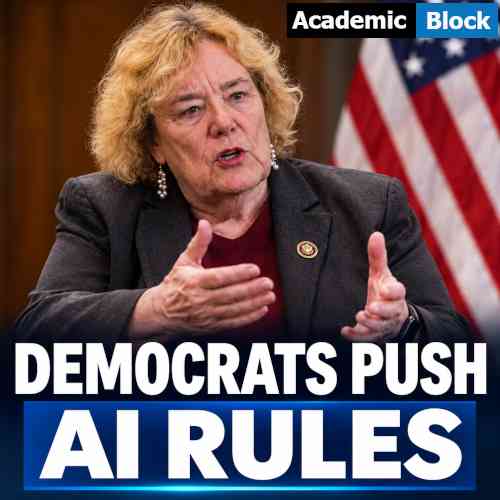
Democrats Plan Wave of AI Bills as They Prepare to Take Control of Congress
Democrats are preparing a series of artificial intelligence (AI) bills ahead of their return to power in Congress in January 2027. The proposals target AI safety, data center expansion and the accountability of major technology companies. They mark a shift from the Republican-led Congress, which has largely supported faster AI development and resisted new federal restrictions.
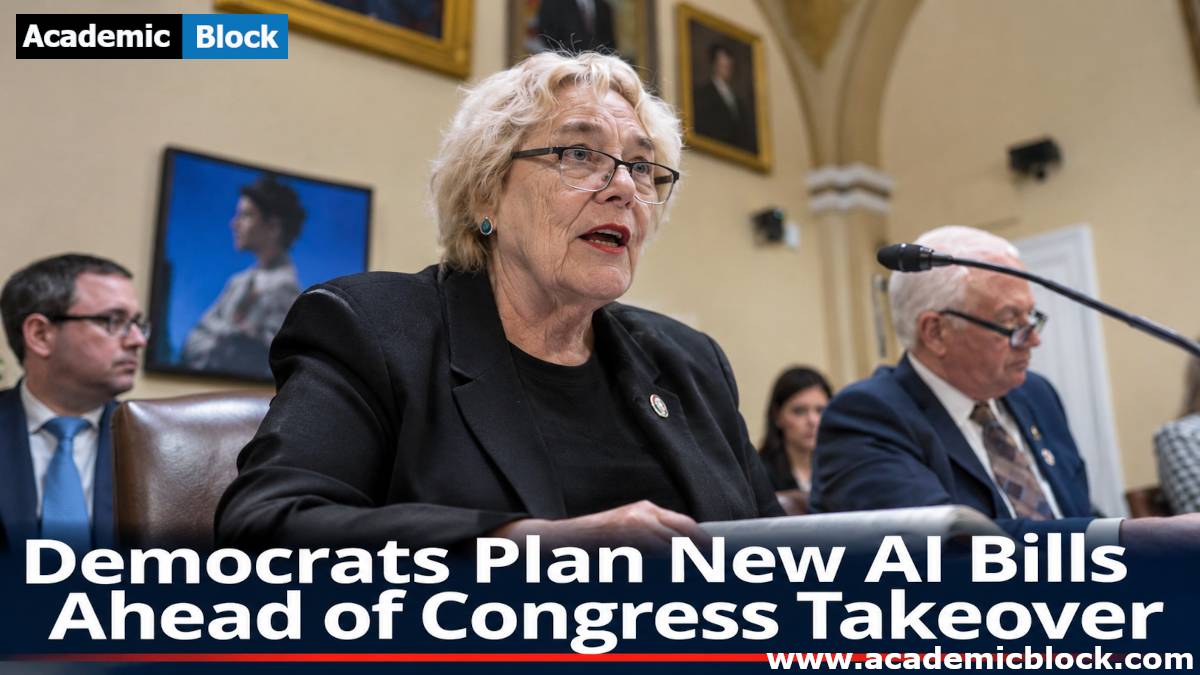
The proposed rules could increase scrutiny of companies such as OpenAI, Google and Meta. However, passing the legislation could prove difficult because President Donald Trump opposes mandatory federal AI regulations. He could veto bills approved by Congress, forcing Democrats to secure a two-thirds majority in both chambers to override his decision. This political divide could shape the future of AI regulation in the United States.
Democrats Focus on Data Center Costs, AI Safety and Corporate Accountability
Democrats want to protect households from higher electricity bills as AI data centers expand and consume more power. They are considering legislation to prevent ordinary consumers from bearing additional costs linked to the facilities’ heavy electricity use. The proposals aim to address concerns that growing demand from the AI industry could put further pressure on household energy expenses.
Lawmakers also want independent experts to test and audit advanced AI models against clear safety standards. These checks could identify risks before companies release their products or while people use them. In addition, Democrats want clearer legal rules defining when AI developers can face financial and legal responsibility for harm caused by their products. The proposals would strengthen consumer protections while establishing clearer accountability for the companies developing AI technology.
Congressional Hearings Put AI Companies Under Greater Scrutiny
Democrats plan to use their congressional committee positions to examine the safety practices of major technology companies. They could call executives to testify under oath about AI development, security risks and unintended outcomes. In October, Representative Zoe Lofgren and other Democratic lawmakers requested information from OpenAI, Anthropic, Meta, Google and SpaceX. They asked the companies to explain their security practices and disclose cases in which AI tools acted against their developers’ intentions.
However, Trump’s opposition could complicate the legislative push. Overriding a presidential veto requires a two-thirds majority in both chambers, a difficult threshold for lawmakers to reach. Democrats could also attach AI provisions to annual government spending bills rather than rely only on separate legislation. Meanwhile, technology shares have faced pressure amid concerns that tighter rules could slow AI development. Questions over whether heavy investments in data centers will generate sufficient returns have added to investor concerns. As the new Congress begins in January 2027, lawmakers are expected to advance proposals and hearings that could shape the debate over AI regulation, public safety and technological innovation.
Web Resources On Democrats Prepare AI Bills Ahead of Congress Takeover
1. Reuters : Democrats planning flood of AI bills when they take control of Congress.
2. CNA : Democrats planning flood of AI bills when they take control of Congress.
3. AP News : AI data centers took a beating in the midterm elections. A reckoning may be ahead for tech giants.
4. AcademicBlock : Data Centre Debate Heats Up Ahead of US Midterm Elections 2026.