
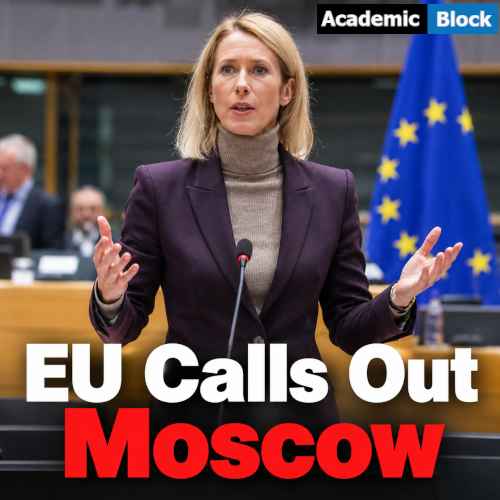
EU Accuses Russia of Stalling Peace talks While Bombing Ukraine’s Power Plants Ahead of Winter
European Union foreign ministers have accused Russia of dragging out negotiations to end the war in Ukraine. The ministers gathered in Brussels on Monday to agree on a joint response. They say Moscow is buying time while it continues to bomb power plants and other vital infrastructure. These strikes are making daily life harder for civilians as the cold season approaches.
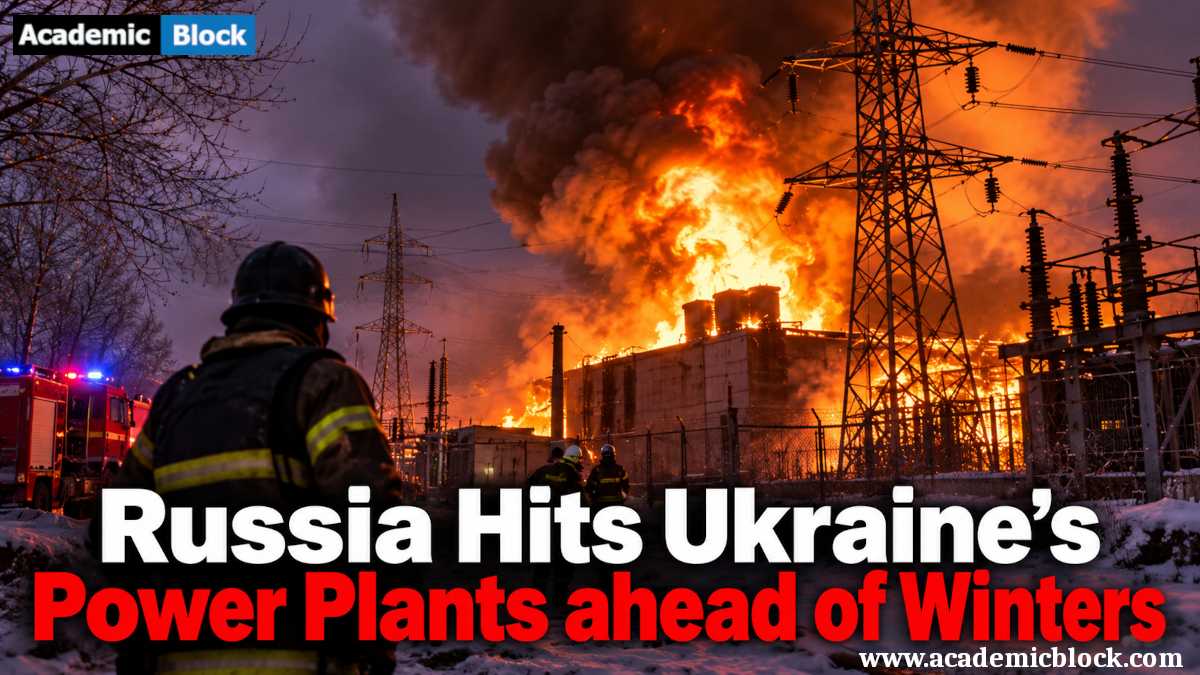
The bloc also moved to increase economic pressure on the Kremlin. It imposed sanctions on nearly 50 Russian banks and financial institutions. Several business people linked to the energy sector and the oil and petroleum trade were also targeted. In addition, dozens of people accused of spreading pro-Russian propaganda now face asset freezes and travel bans. These measures together aim to make the war more expensive for Moscow to keep fighting.
Kallas Rejects Russia’s Push for a New European Security Framework
EU foreign policy chief Kaja Kallas chaired the Brussels meeting and laid out the bloc’s priorities. Ministers want a ceasefire first, followed by a genuine and lasting peace agreement. They argue that Russia started the war, so it must be the side to make concessions. Fresh Russian demands were turned down. Kallas stressed that no ceasefire exists and that Ukrainians are still being killed everyday. The row deepened after last week’s talks in Abu Dhabi. Afterward, Washington encouraged Ukraine and its allies to accept a Russian call for a new security framework for Europe. The United States suggested the idea could help bring peace.
However, European officials see it as a repeat of the treaty Moscow offered NATO before the 2022 invasion. They fear it would force the alliance to pull troops and equipment westward, back to the positions held before Poland, Hungary and the Czech Republic joined in 1999. Kallas described Moscow’s 2021 demands as a pretext for war and its current ones as a pretext to prolong it. Germany’s Johann Wadephul and Lithuania’s Kęstutis Budrys agreed that Europe needs respect for existing rules, not a new structure.
Little Progress in US-Led Mediation as Europe Fights for a Seat at the Table
American negotiators Jared Kushner and Steve Witkoff have shuttled between Moscow and Kyiv for just over a year. Even so, no lasting ceasefire has been agreed. Major differences remain over who controls territory and what security guarantees Ukraine will receive. The only concrete results so far have been prisoner exchanges, which warring sides often use to build trust. Europeans have also grown skeptical about the process, partly because they have been kept at its edges. EU leaders at a Dublin summit last week agreed that Europe should field a team of security advisers from France, Germany, the United Kingdom, Italy and Poland, alongside senior EU officials. Europe accepts that, as Ukraine’s biggest backer, it cannot also serve as a mediator. Instead, its role will center on security arrangements, reconstruction and Ukraine’s long-term future.
The ministers stressed that only Kyiv can decide the matters touching its sovereignty. Meanwhile, the war’s human cost continued on Monday, when Russian attacks killed at least three people across the Kherson, Dnipropetrovsk and Zaporizhia regions. The European Commission also sent Kyiv $1.88 billion for drones, ammunition and air defence systems. Separately, the EU approved its largest single payment to Ukraine, about $8.7 billion, which President Volodymyr Zelenskyy linked to growing budget needs and intensified strikes on energy, heating and water systems. Ultimately, the Brussels meeting shows how a stalled peace process and a battered power grid are now closely tied. Europe is betting that financial pressure, sanctions and a unified negotiating team can force Moscow to accept a ceasefire first. Yet as winter nears, the cost of delay falls most heavily on Ukrainian civilians. The outcome will also shape whether Europe’s existing security order survives or is rewritten on Russian terms.
Web Resources on Ukraine peace talks
1. AP News : EU accuses
Russia of stalling Ukraine peace talks to target power plants as winter nears.
2. First Post : EU
accuses Moscow of stalling peace talks, imposes sanctions on nearly 50 banks.
3. Deccan
Chronicle: EU Accuses Russia Of Delaying Peace Talks To Target Ukraine’s Power Plants.