
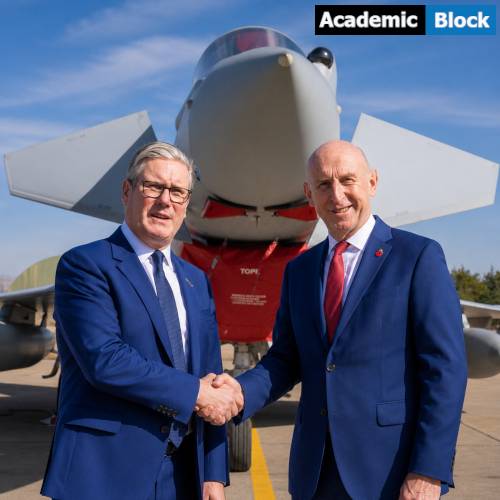
Healey’s shock resignation pushes Starmer to the brink over defence spending
John Healey’s resignation as Defence Secretary has hit Keir Starmer’s government hard and exposed a deep split over UK defence spending. Healey said the Defence Investment Plan did not give the armed forces the money they need to face growing security threats. He argued that Britain must move faster on military funding. However, the government has stood by its approach, which has turned a policy row into a serious political problem for Labour.
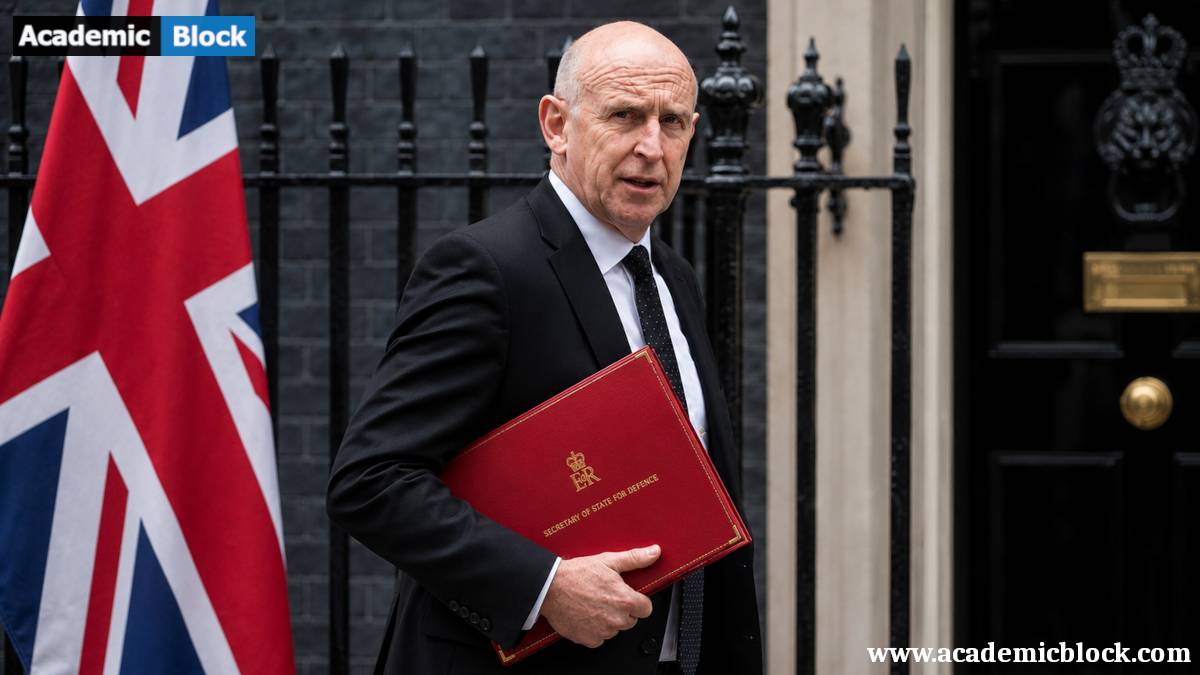
The crisis has now widened after Armed Forces Minister Al Carns also stepped down, while Dan Jarvis has taken over the defence brief. Also, the timing has added to the pressure on Starmer, with a by-election approaching and international tensions rising. In addition, questions are growing over leadership, national security, and defence strategy. What began as a budget dispute is now a test of the Prime Minister’s authority, credibility, and ability to lead on security.
Healey quits as defence spending row explodes
John Healey’s resignation has deepened the crisis over UK defence spending and put fresh pressure on the Labour government. The row centred on the pace of military investment and the size of the defence budget. Healey argued that lifting spending from 2.6% to 2.68% of GDP by 2030 would not give Britain the strength it needs. He pushed for 3% by the end of the decade, warning that rising threats from Russia and a more unstable Europe demand faster action. However, the Treasury focused on fiscal discipline and wider economic priorities, and that clash helped drive him out.
The fallout has now spread through government and the armed forces. Also, senior military figures have backed calls for stronger defence investment and warned that the global security picture is getting worse. Starmer has defended the plan and pointed to a target of 3.5% of GDP by 2035. However, the dispute now goes beyond spending. It has become a wider test of how Britain will protect itself in a more dangerous world.
The sortable table below highlights the most powerful country in the world by military with annual defense expenditure, total military personnel, various military personnel, and strategic dominance.
Starmer faces pressure before NATO talks
Keir Starmer faces a difficult test as he prepares for key meetings with Britain’s allies. He is due to attend the G7 summit in France and then join NATO leaders in Ankara, where defence spending and security commitments will be under close review. In addition, the departure of a senior Cabinet minister has made the timing especially awkward. With Donald Trump also expected at the NATO gathering, the UK government will be under pressure to explain its defence strategy and reassure partners that Britain remains a reliable ally.
The political pressure is rising at home as well. Opposition parties have seized on the row to attack the government’s defence priorities, while some Labour MPs fear the dispute could weaken Starmer’s authority. Also, reports of frustration inside the party have added to the sense of instability. What started as a disagreement over military funding has now become a broader test of leadership, unity, and strategic credibility. For Starmer, the challenge is to show that his government can stay steady, command trust, and lead Britain through a more uncertain security landscape.
Web Resources on Starmer Under Pressure After Healey Quits
1. Reuters.com : UK defence minister quits, says Starmer not spending enough to keep country safe.
2. Guardian.com : Healey’s shock resignation over defence plan pushes Starmer to brink.
3. BBC.com : ‘Healey torpedoes Starmer’ and ‘Game on!’
4. Top 10 Countries with strongest military in the world