
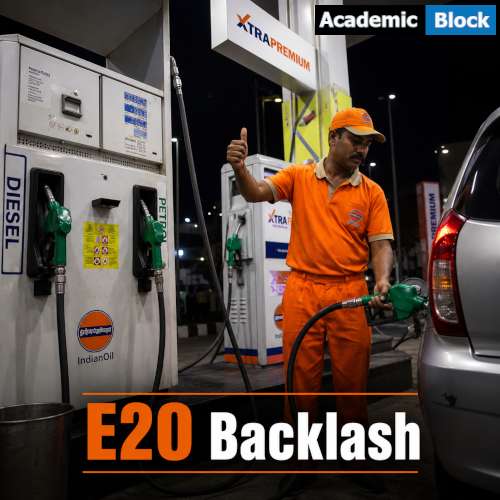
Why Ethanol Mixed Petrol Is Annoying Indian Drivers
India’s E20 petrol rollout has become one of the country’s most debated fuel policies. The government introduced 20% ethanol-blended petrol (E20) to reduce crude oil imports, lower carbon emissions and promote domestically produced biofuels. However, many motorists believe the transition has moved faster than India’s vehicle fleet could adapt. A large number of cars and two-wheelers on Indian roads were originally designed for E10 petrol or lower ethanol blends. Since E20 became the standard fuel at petrol stations, many drivers have reported lower mileage, higher running costs and limited fuel choices, making the policy a major public issue.
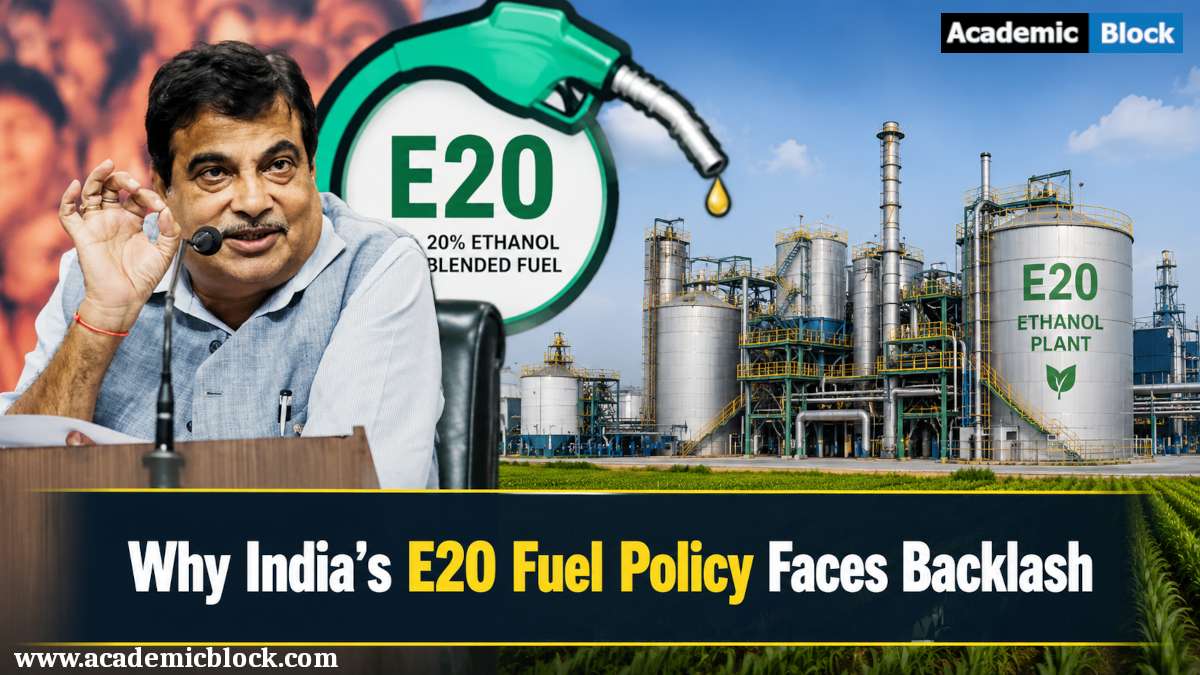
The concerns also extend beyond fuel economy. Owners of older vehicles worry about the long-term condition of fuel tanks, rubber seals, hoses and other fuel system components because ethanol absorbs more moisture than conventional petrol. Consumers also say E0 petrol is either unavailable or significantly more expensive in many regions, leaving them with few practical alternatives. In addition, uncertainty over warranty coverage and insurance claims has added to public concern. Many motorists are now calling for greater transparency, more fuel options and a slower transition that better reflects India’s diverse vehicle fleet. As India expands its biofuel programme, building trust will remain just as important as achieving blending targets.
Government Defends E20 as a Strategic Energy and Economic Policy
The Indian government says the E20 petrol programme is backed by years of scientific research, extensive vehicle testing and international experience. The Ministry of Petroleum and Natural Gas has rejected viral claims that E20 causes widespread engine damage, voids vehicle warranties or creates unusual safety risks. Officials say the fuel was introduced only after detailed testing and point out that countries including Brazil, the United States, Canada, Japan and Thailand have successfully used higher ethanol blends for many years.
According to the government, the programme supports several long-term national goals. These include reducing crude oil imports, strengthening energy security, lowering carbon emissions and increasing farmers’ income through higher ethanol production. Officials say that since 2014–15, ethanol blending has saved India more than US$22 billion in foreign exchange, delivered over US$19 billion to farmers, reduced 930 lakh metric tonnes of carbon dioxide emissions and cut crude oil imports by more than 310 lakh metric tonnes. The government maintains that these benefits make E20 a key part of India’s long-term clean energy strategy.
Scientific Studies Show a More Nuanced Picture Than the Public Debate
Scientific research suggests that the E20 petrol debate is more nuanced than many online claims indicate. Studies by ARAI, Indian Oil Corporation (IOC), Indian Institute of Petroleum (IIP) and SIAM found no evidence of widespread engine damage in E20-compatible vehicles. However, researchers also noted that some older vehicles, which were not designed for higher ethanol blends, may experience faster wear of rubber hoses, seals and gaskets over time. In addition, ethanol contains less energy than conventional petrol, so a 3% to 3.5% reduction in fuel economy is technically expected. Some independent studies estimate the decline could reach 4% to 10% under certain vehicle and driving conditions.
The automobile industry has broadly supported these findings. During a joint government briefing, six major automakers said years of testing and service records had not identified widespread vehicle failures linked to E20. Rahul Bharti, Senior Executive Officer for Corporate Affairs at Maruti Suzuki, said the company had serviced more than 15 million older vehicles, including many that were not E20-compatible, without finding any major fuel-related defects caused by ethanol-blended petrol. Even so, many motorists believe a phased rollout, wider availability of alternative fuels and clearer guidance for owners of older vehicles would have improved public confidence while helping India achieve its environmental goals.
Web Resources on E20 Petrol Faces Backlash in India
1. BBC.com : India is adding biofuels to petrol, but many drivers are unhappy.
2. Reuters.com : India seeks to quell public backlash on ethanol-mixed fuel after ‘experiment’ remark.
3. Times of India : Govt debunks E20 ethanol blending ‘myths’; rejects viral claim on water use, engine damage.