
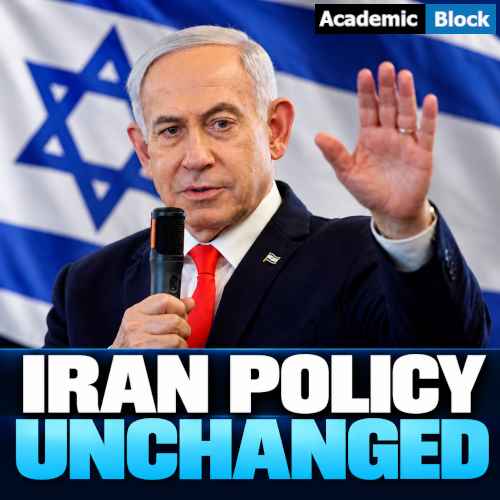
Israel Election May Change Netanyahu’s Fate, but Not Iran War Strategy
Israelis will vote on October 27 in an election that could end Benjamin Netanyahu’s long tenure as prime minister. He is the longest-serving prime minister in Israel’s history. However, the election may change the country’s leadership without significantly changing its approach to Iran. The central question is whether a new prime minister would alter Israel’s use of military force, regional security priorities or diplomatic strategy.
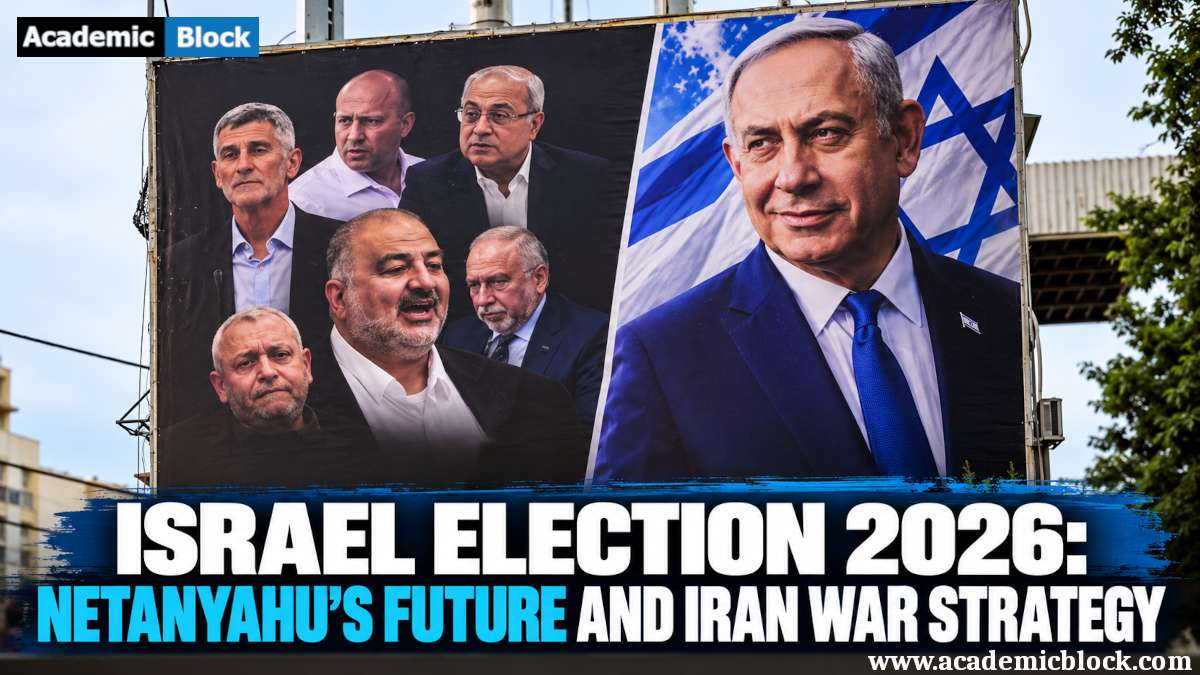
Netanyahu’s main challengers have also pledged to maintain pressure on Tehran, suggesting that Iran will remain a major security concern regardless of the election result.The next government must balance military readiness, deterrence, and diplomacy while managing the risk of a wider regional conflict.
Why a New Leader May Not Change Iran Policy
Israel’s 2026 election could end Netanyahu’s tenure but may not significantly change its Iran policy. Opposition figures Gadi Eisenkot and Naftali Bennett have also backed a tough approach toward Tehran. Eisenkot supports military action if necessary to dismantle Iran’s nuclear capabilities, while arguing that Netanyahu should not lead another operation. Bennett has called for regime change in Iran and pledged to strike the country if Hezbollah attacks Israel. Their positions suggest that the next government will continue to view Iran’s nuclear program, missile capabilities and regional influence as major security concerns.
However, Israel’s next prime minister will face difficult decisions over military action, diplomacy and regional stability. Ultimately, the election may change who leads Israel, but its future Iran policy will depend on security threats, US decisions and the wider balance of power across the Middle East.
US Influence and Gulf Security Shape Israel’s Iran Strategy
The United States remains a key security partner for Israel, and its decisions on military assistance, sanctions and negotiations with Iran could shape the next Israeli government’s options. Differences between Washington and Jerusalem over military action and diplomacy may also affect Israel’s approach to Tehran. Meanwhile, Gulf Arab states want to limit Iran’s regional influence but fear a wider conflict that could threaten energy infrastructure and international shipping, particularly around the Strait of Hormuz, a vital route for global oil trade. These concerns give regional governments strong reasons to contain tensions and prevent a broader war.
Israel’s policies toward Gaza, the occupied West Bank, Syria and Lebanon will also shape its relations with Arab governments and Western allies. Both Benjamin Netanyahu and opposition leader Gadi Eisenkot oppose an independent Palestinian state and support continued Israeli security control between the Jordan River and the Mediterranean Sea, although they differ over West Bank settlements and settler violence. The next government must therefore confront Iran, protect Israel’s security, maintain cooperation with the United States and regional partners, and reduce the risk of further escalation. Its decisions could affect both Israel’s future strategy and stability across the Middle East.
WEB Resources On Israel Election: Netanyahu’s Future, Iran Policy Unchanged
1. Reuters : Israel’s election may change its leader, but not Iran war policy.
2. Politico : How Israel’s election could change the Iran war.
3. Japan Times : Israel’s election may change its leader, but not Iran war policy.
4. Washington Post : Israel votes on Tuesday. Will anything change on Gaza, Iran or settler violence?