
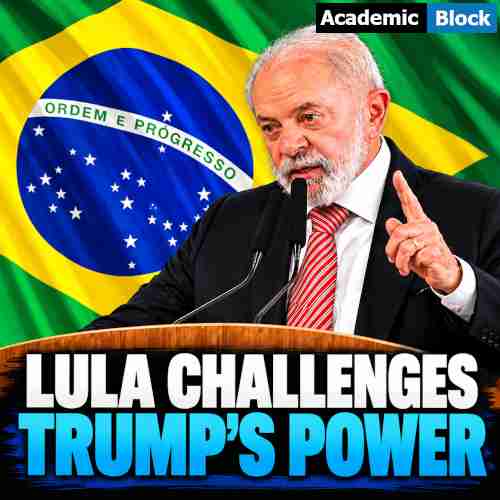
Lula’s Brazil Comeback Deals Blow to Trump’s Latin America Ambitions
Brazilian President Luiz Inácio Lula da Silva has secured a fourth presidential term after defeating Flávio Bolsonaro in the October 25 runoff, winning 51.8% of the vote against his rival’s 48.2%. The victory challenges President Donald Trump’s efforts to expand U.S. influence across Latin America. It also breaks a streak of seven consecutive conservative presidential victories across the region over the previous 18 months. As Latin America’s largest economy, Brazil holds significant political and economic influence.
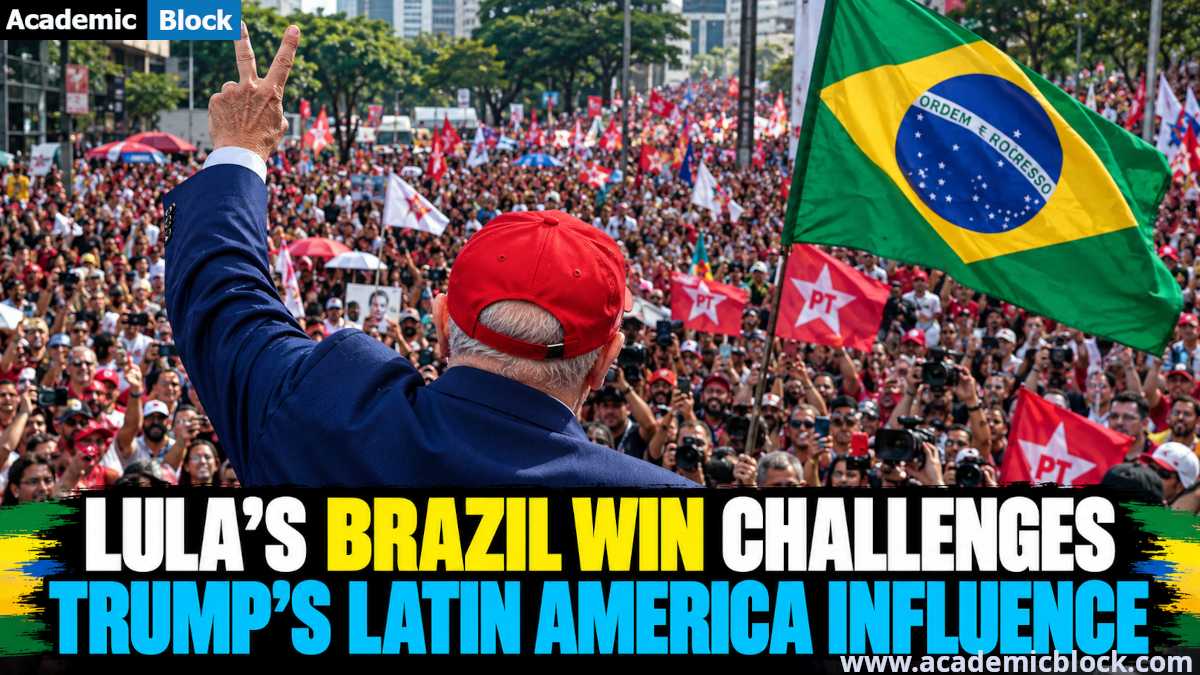
Lula’s comeback signals that conservative momentum has not swept every major country in the region, creating a fresh challenge for Washington’s Latin America strategy. Lula and Trump will need to balance their competing priorities while protecting their national interests.
Lula’s Victory Challenges Trump’s Regional Strategy and Security Agenda
Flávio Bolsonaro had pledged to strengthen ties with President Donald Trump and join the U.S.-led Shield of the Americas coalition, which targets drug cartels. However, Brazilian President Luiz Inácio Lula da Silva has defended Brazil’s independent foreign policy and resisted joining the initiative. Lula’s victory could complicate Washington’s efforts to secure Brazil’s support for its regional security agenda. In addition, trade disputes have strained relations between the two countries. The Trump administration imposed tariffs on Brazilian goods amid tensions over the prosecution of former President Jair Bolsonaro over an alleged coup plot. Lula responded by emphasizing national sovereignty and promoting the slogan “Brazil belongs to Brazilians.”
Despite these differences, the United States and Brazil have strong reasons to maintain dialogue. Washington seeks closer security cooperation, trade opportunities and access to critical minerals. Meanwhile, Brazil wants greater investment, improved trade relations and the freedom to pursue its own foreign policy. Both governments will need to address their disagreements through direct negotiations.
Critical Minerals, Tariffs and Political Pressure Shape Lula’s Next Move With Washington
Brazil’s strategic mineral reserves could give President Luiz Inácio Lula da Silva greater leverage in negotiations with the United States. Brazil holds the world’s second-largest known reserves of rare earth elements and accounts for about 90% of global niobium production. Both minerals play important roles in industrial manufacturing and defense technology. The Trump administration wants reliable access to critical minerals, while Brasília seeks greater investment and relief from U.S. tariffs.
However, Lula faces domestic obstacles, as conservative lawmakers hold significant influence in Brazil’s Congress and could limit his ability to pass reforms. Trump also faces political pressure ahead of the November 3 U.S. midterm elections. Despite these challenges, both governments have strong economic reasons to negotiate. Washington wants secure mineral supplies, while Brazil seeks tariff relief and new investment opportunities. With critical minerals, trade and regional influence at stake, the negotiations will test whether Trump and Lula can turn competing priorities into a workable agreement.
Web Resources On Lula’s Win Challenges Trump in Latin America
1. BBC : Lula’s comeback in Brazil dents Trump’s ambitions for Latin America.
2. AP News : Lula’s win in Brazil bucks a regional shift to the right and denies Trump a powerful ally.
3. Euro News : Lula’s comeback puts brakes on Latin America’s rightward surge.