

NATO Seals €27B Overhaul Of Cold War-Era Fuel Network
North Atlantic Treaty Organization is a military and security alliance founded on April 4, 1949, to protect its member states through collective defense. The alliance also promotes military cooperation, joint defense planning, and peace and stability across Europe and North America. Building on that mission, NATO has approved a €27 billion plan to modernize its Cold War-era military fuel transport network. The agreement, endorsed by the 32 NATO ambassadors, marks the alliance’s largest commonly funded infrastructure project.
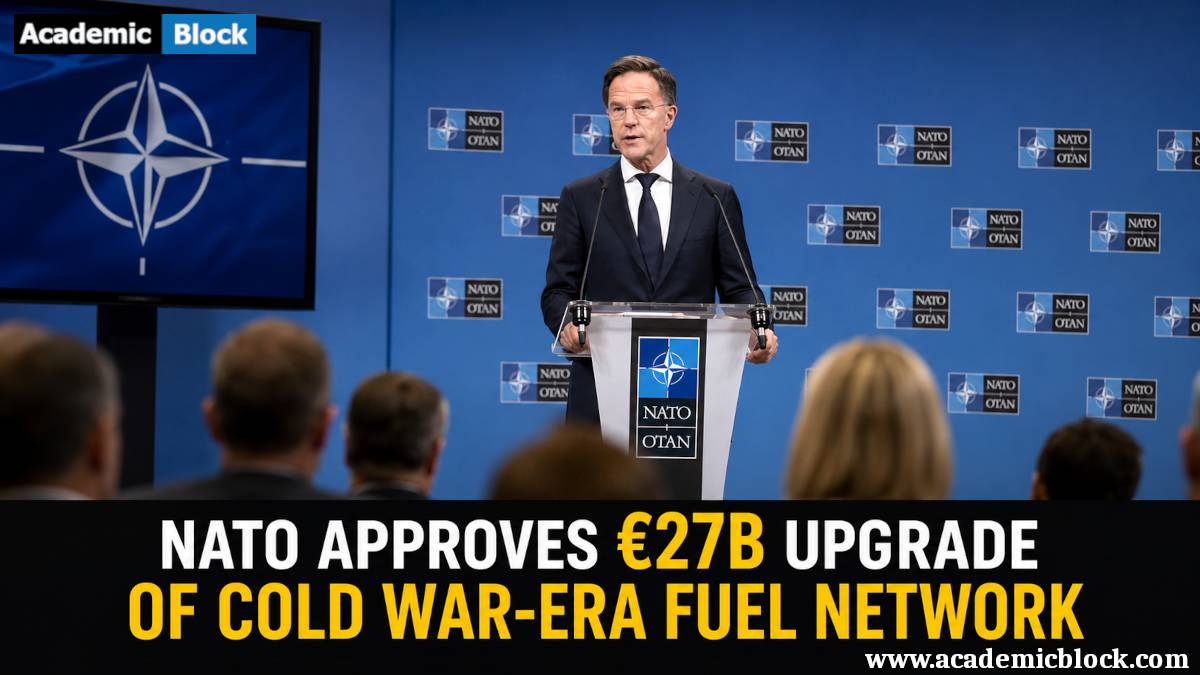
The ambitious program could take up to 30 years to complete and includes dozens of projects, ranging from pipeline upgrades to modern fuel storage facilities. NATO Secretary General Mark Rutte described the agreement as a “historic step,” saying it will strengthen the alliance’s long-term military preparedness. As security challenges continue to evolve across Europe, the investment reinforces NATO’s commitment to collective defense, improves military readiness, and strengthens the logistics network that supports rapid deployments and allied operations.
Fuel Supply Chain Plan Expands NATO’s Eastern Military Infrastructure
The NATO Fuel Supply Chain Capability Programme focuses on expanding the alliance’s fuel infrastructure into regions that have remained outside the original Cold War pipeline system. NATO’s existing network stretches nearly 10,000 kilometers across Western Europe, but it was never fully extended to many newer member states in Eastern and Southeastern Europe.
The investment will upgrade aging fuel storage and distribution systems, expand infrastructure across Eastern and Southeastern Europe, and build new military fuel pipelines to strengthen wartime logistics and ensure reliable energy supplies for allied forces.The expansion is designed to ensure faster and more reliable fuel deliveries during military deployments. NATO officials say modern armed forces depend on uninterrupted fuel supplies to support aircraft, armored vehicles, transport units, and other frontline equipment. By extending the network eastward, the alliance aims to strengthen operational flexibility, improve reinforcement capabilities, and enhance readiness across its eastern flank.
Months Of Negotiations Tested NATO Unity Before Final Approval
The agreement followed months of complex negotiations among NATO’s 32 member states. During the final stage of the talks, Turkey withheld its support while seeking priority funding for infrastructure projects on its own territory. Because NATO makes major decisions through consensus, a single objection had the potential to delay the entire agreement. However, continued negotiations helped resolve the differences, allowing all member states to endorse the project unanimously.
Several allies had also raised broader concerns during the discussions. Some questioned the €27 billion cost, making it NATO’s largest common-funded infrastructure investment, while others worried about committing to fuel infrastructure that could remain in service for decades. Despite those reservations, eastern member states strongly supported the project, arguing that stronger logistics are essential for future deterrence. The final agreement highlights NATO’s ability to balance national priorities while advancing long-term collective security objectives.
Web Resources on NATO €27B fuel network
1. Politico.eu : NATO seals €27B overhaul of Cold War-era fuel network.
2. Nato.int : North Atlantic Council approves NATO-funding for upcoming years, agrees Fuel Supply Chain Plan.
3. Apa.az : NATO adopts €27 billion plan to modernize military fuel depots.
4. Defence24.com : 27 billion euros for fuel infrastructure on NATO’s eastern flank. Poland as a key beneficiary.