
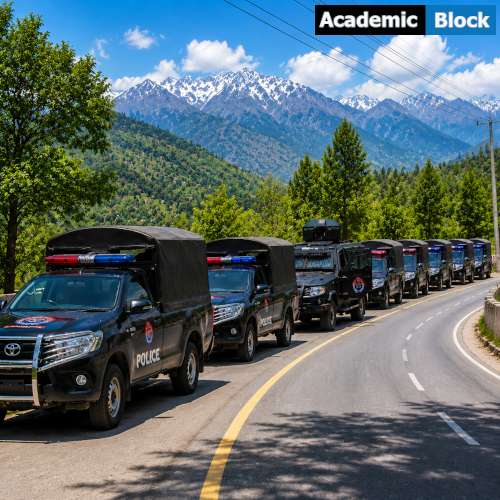
Pakistan-Administered Kashmir Erupts with civilian Protest, Leave 15 Dead
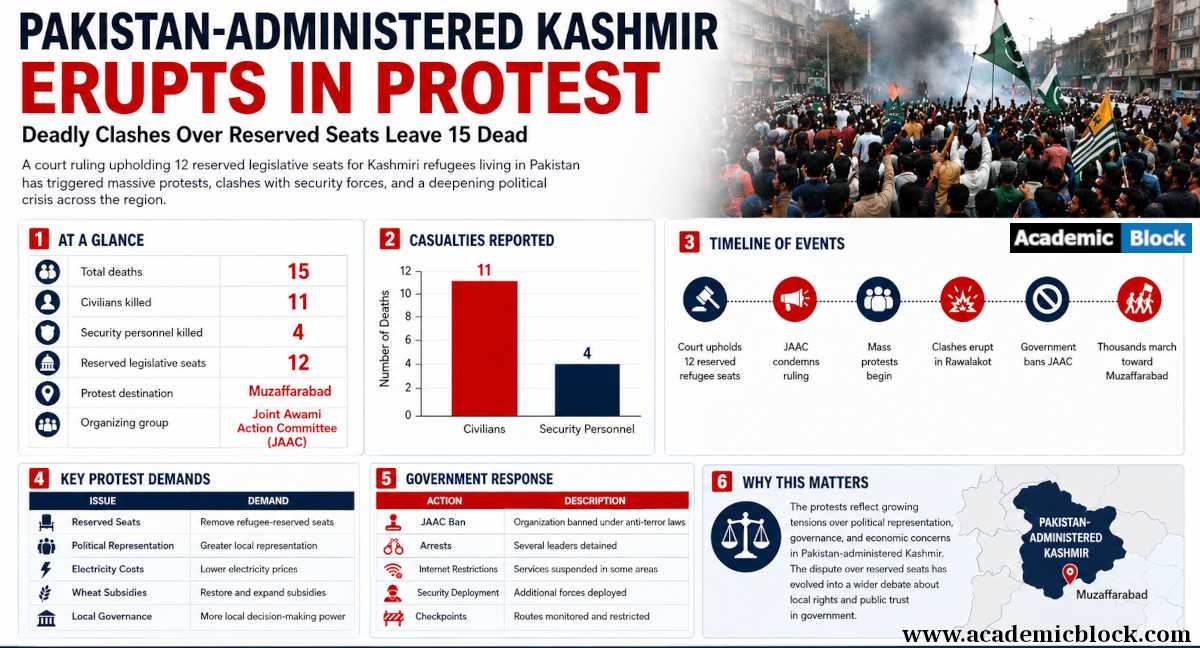
Thousands of protesters poured onto the streets across Pakistan-administered Kashmir after a court ruling upheld 12 reserved legislative seats for Kashmiri refugees living in Pakistan. The decision triggered widespread anger among supporters of the Joint Awami Action Committee (JAAC), who argue that the system gives non-residents a greater role in determining the region’s political future. In addition, the demonstrations reflected growing dissatisfaction with governance, economic conditions, and public policies that many residents believe have failed to address local concerns.
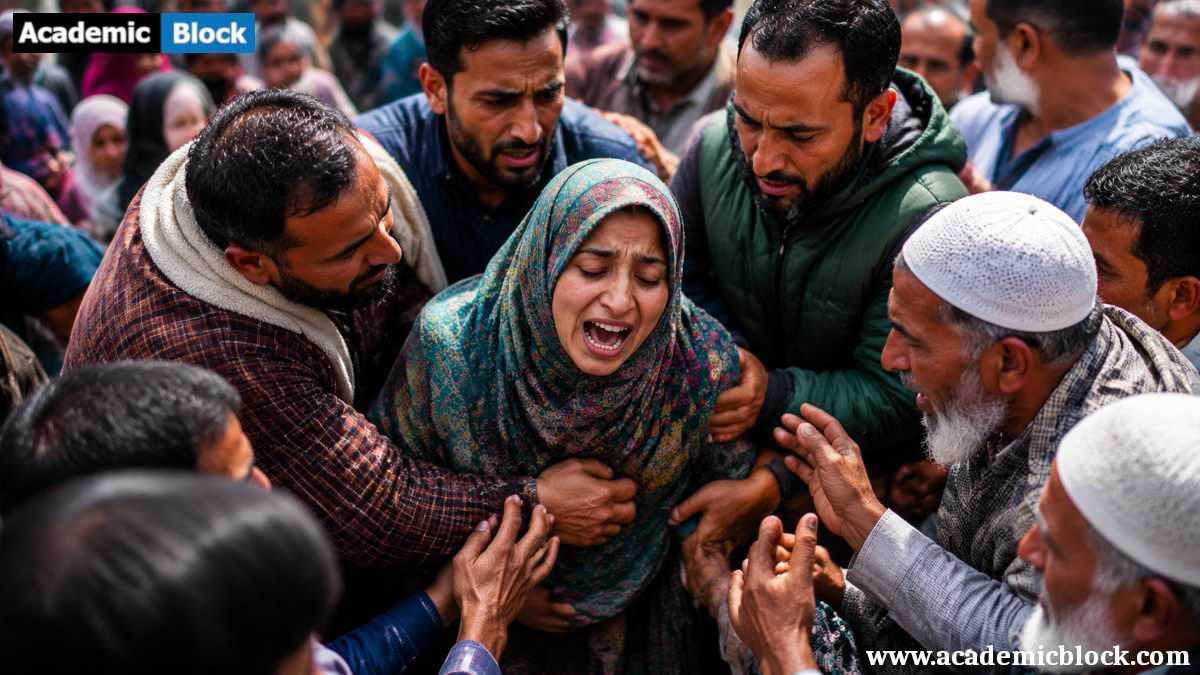
The unrest soon turned deadly as clashes erupted between protesters and security forces in several areas, including Rawalakot. Officials reported that at least 15 people lost their lives, while dozens more suffered injuries. However, the violence did not stop the movement. Instead, the protests expanded across multiple districts, drawing attention to a deepening political crisis that has placed Pakistan-administered Kashmir under intense national scrutiny.
Reserved Seats for Refugees Fuel the Anger
At the center of the dispute are 12 legislative seats reserved for Kashmiri refugees living in Pakistan. These seats are allocated to people whose families migrated from Indian-administered Jammu and Kashmir. A recent court ruling confirmed that the arrangement remains protected under the constitution and cannot be changed without a constitutional amendment. However, JAAC leaders strongly opposed the decision. They argue that elected representatives should come only from residents living within Pakistan-administered Kashmir. As a result, the ruling became a major trigger for protests ahead of the upcoming elections.
For many demonstrators, the debate is about political representation rather than legal procedure alone. Protesters say local voters should have a greater voice in shaping the region’s future and selecting their representatives. In addition, the controversy has revived discussions about accountability, transparency, and public participation in government. The reserved-seat issue has therefore evolved into a broader debate about who should hold political influence in Pakistan-administered Kashmir.
Thousands Defy Ban to March on Muzaffarabad as JAAC Intensifies Protest Movement
Despite a government ban on the Joint Awami Action Committee, thousands of supporters continued their march toward Muzaffarabad, the regional capital. Authorities responded with a heavy security deployment, internet restrictions, and the arrest of several movement leaders. In addition, checkpoints were established along key routes to prevent large convoys from reaching the city. However, the measures failed to discourage protesters, many of whom traveled from distant districts to join the demonstration.
The march highlighted the organizational strength of the protest movement and its ability to mobilize support across the region. JAAC leaders presented the campaign as a peaceful struggle for democratic rights and local empowerment. Meanwhile, residents continued strikes and public gatherings despite growing pressure from authorities. As both sides remain firm in their positions, the confrontation has become a defining test of political stability and public trust in Pakistan-administered Kashmir.
Web Resources on Pakistan-Administered Kashmir Protests
1. BBC.com : Thousands march in Pakistan-administered Kashmir as clashes kill at least 15.
2. Reuters.com : Protesters clash with police in Pakistani Kashmir as strike shutters cities.
3. Aljazeera.com : Deadly protests in Pakistan-administered Kashmir: What’s going on?