
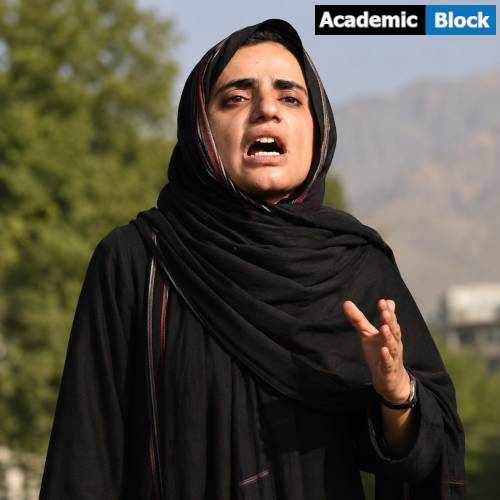
Mahrang Baloch Given Life Sentence by Pakistan’s Military-Backed Government
Pakistan’s anti-terrorism court has sentenced Mahrang Baloch and Sibghatullah Shah to life in prison on June 22. The court convicted them of terrorism, sedition, and murder in a case linked to the 2024 death of paramilitary soldier Shabbir Baloch during a protest in Gwadar. Mahrang Baloch and Shah denied all charges. This decision is criticized widely by the international community. It has again highlighted the suppression of peaceful people’s movement and poor judicial standards enforce by military backed Pakistani Government.
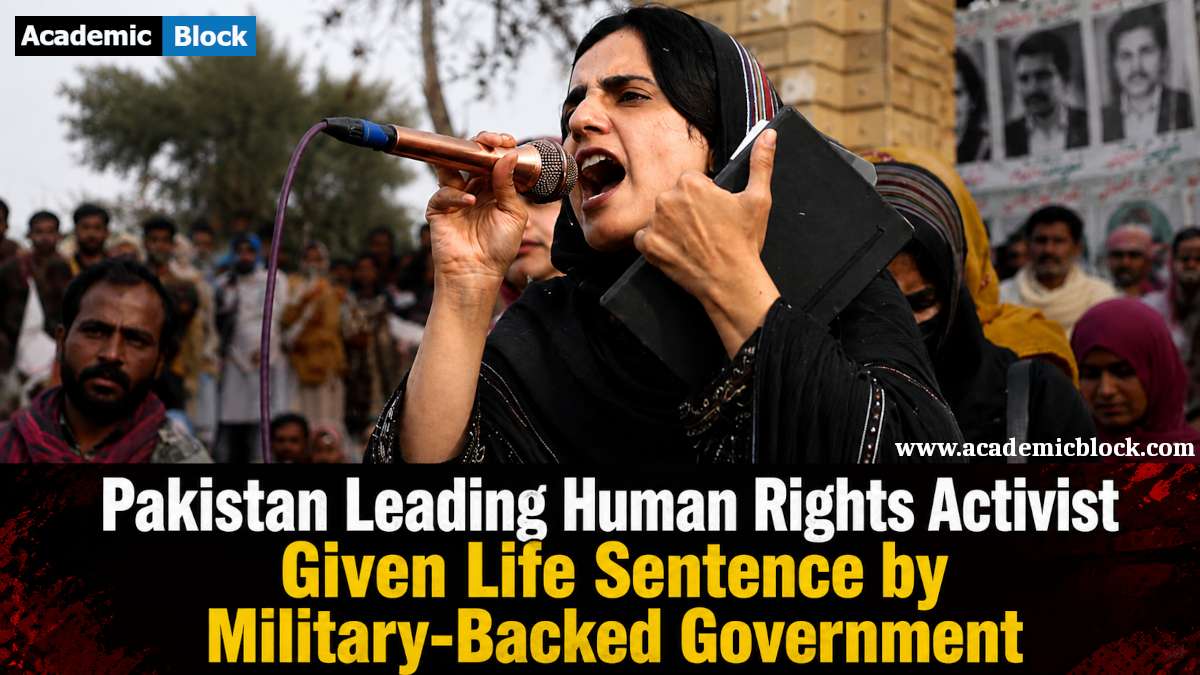
Mahrang Baloch is one of Pakistan’s best-known human rights campaigners. She gained wider attention after BBC named her in its 100 Women list in 2024. Her activism began after her father allegedly disappeared in 2009 and was later found dead. Since then, she has campaigned for families seeking answers about enforced disappearances and alleged extrajudicial killings in Balochistan. In late 2023, she led hundreds of women on a 1,600-kilometer march to Islamabad to demand justice for missing persons. The Baloch Yakjehti Committee, or BYC, says it works peacefully to highlight rights concerns. However, Pakistani authorities have repeatedly accused the group of links to militant outfits, a claim the committee denies.
Court Verdict Deepens Debate Over Security and Dissent in Balochistan
Police investigators said Mahrang Baloch and Sibghatullah Shah played a direct role in mobilizing protesters at the Gwadar rally. In a controversial decision court convicted the two BYC leaders of terrorism, sedition, and murder. Prosecutors said they helped trigger violence at an unauthorized rally. According to investigators, protesters then attacked a security vehicle, pulled paramilitary soldier Shabbir Baloch away from his colleagues, and beat him to death.
Provincial government spokesman Shahid Rind defended the verdict and said prosecutors had presented undeniable evidence. Balochistan Chief Minister Sarfraz Bugti also welcomed the ruling and called it a sign of the rule of law. Authorities later moved the trial from Gwadar to a high-security prison in Quetta. Officials cited security concerns, repeated demonstrations outside the court, and alleged efforts to intimidate witnesses. Several witnesses and defendants later testified through video links. Human Right activist have criticized this decision citing closed door hearing and restricted access to the defense lawyers.
The move, has added to criticism that Pakistan is handling a sensitive rights case with excessive force and limited transparency. The ruling has also renewed concern over Pakistan’s treatment of dissent in Balochistan, where the province has faced years heavy handed suppression of peaceful movements by security forces, and repeated human rights abuses. Pakistan has long accused the BYC of links to the outlawed Baloch Liberation Army, while the group says it is a peaceful rights movement.
Rights Groups Challenge Trial and Raise Fairness Concerns
Human rights organizations have sharply criticized the verdict against Mahrang Baloch and Sibghatullah Shah. The Human Rights Commission of Pakistan, or HRCP, has called for an immediate review of the case. It said the state appears to treat rights advocacy in the same way it treats criminals, and that raises serious questions about fairness and impartiality.
Amnesty International also questioned the proceedings. It said the trial took place inside jail premises and lacked transparency. The group also said prosecutors did not publicly present direct evidence linking the two activists to the violence. In addition, Amnesty noted that Mahrang Baloch had already spent a long period in detention after a protest sit-in in March 2025.
The criticism has grown beyond local rights groups. Sweden’s climate activist Greta Thunberg also condemned the trial and called it a mockery of justice. FORUM-ASIA urged Pakistani authorities to overturn the convictions and protect peaceful protest. It said the ruling has deepened fears over enforced disappearances, civic freedoms, and democratic rights in Balochistan. This case has become a troubling example of how Pakistan handles dissent. Instead of protecting human rights, Pakistan has again drawn criticism for using harsh state power against peaceful voices.
Web Resources on Pakistan Human Rights Activist Mahrang Baloch Given Life Sentence
1. BBC.com : Leading Pakistan activist given life sentence over soldier’s killing at rally.
2. AP News.com : Activists in Pakistan sentenced to life in prison over soldier’s death during rally.
3. ABC News.com : Human rights activists sentenced to life in prison over soldier’s death.