
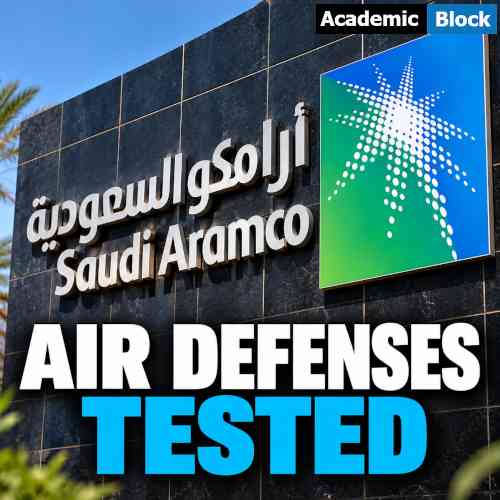
Saudi Aramco Headquarters Hit Amid Escalating Middle East Conflict
Saudi Aramco, Saudi Arabia’s state-owned oil giant, came under attack at its headquarters complex in Dhahran. According to the Saudi Energy Ministry, the missile strike sparked a limited fire inside an administrative building. Authorities reported no casualties. However, the attack damaged the top three floors of an office tower within the complex, raising concerns about the security of Saudi Arabia’s critical energy infrastructure.
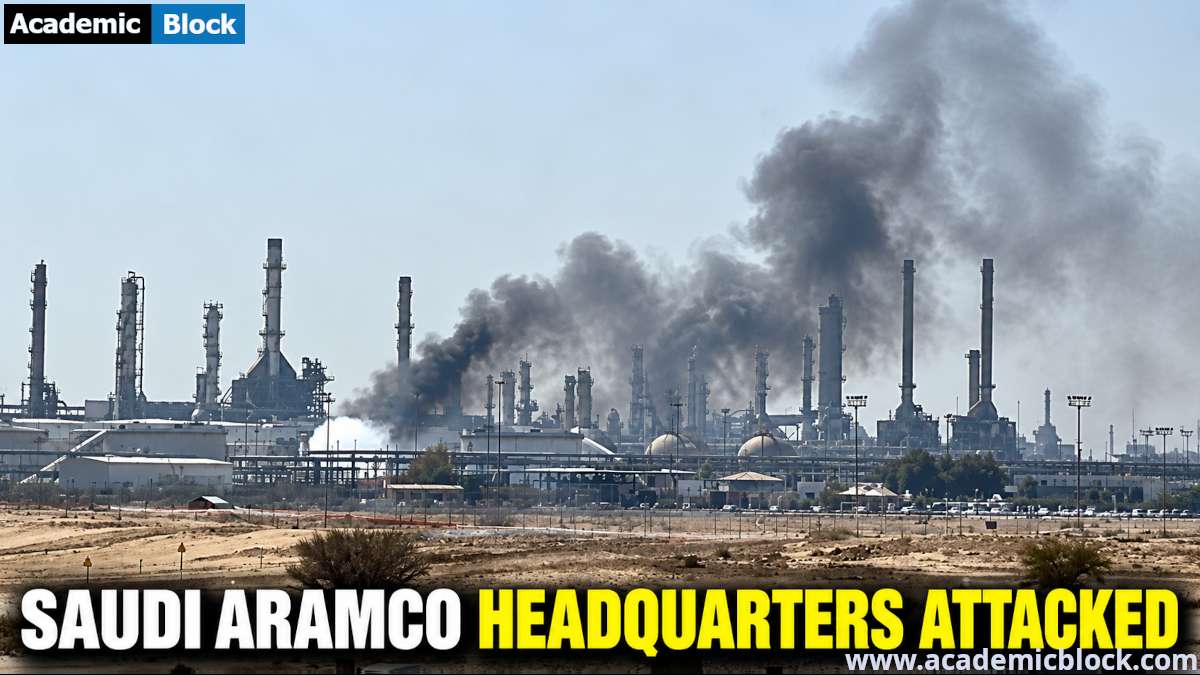
The attack came as fighting intensified between Saudi Arabia and Yemen’s Iran-aligned Houthi movement. Both sides have stepped up military action, increasing pressure on regional security. In addition, the strike has drawn attention to the vulnerability of major energy facilities amid the widening conflict.
Aramco Attack Raises Oil Security Concerns as Saudi-Houthi Conflict Intensifies
Saudi Aramco’s Dhahran complex houses a major operations center that oversees the company’s oil fields, pipelines, refineries, and export terminals. The attack came amid a series of Houthi missile and drone strikes targeting Saudi Arabia. Saudi authorities said intercepted missile debris injured four people in Riyadh and damaged 15 homes. In response, the Saudi-led coalition struck Houthi-controlled sites near Yemen’s capital, Sanaa. The coalition said its operations aimed to weaken capabilities that threaten Saudi Arabia, Yemen, and international waterways.
The widening conflict has raised concerns about regional energy security and shipping routes near the Red Sea. The Bab el-Mandeb Strait serves as a strategic passage for international trade and energy shipments. Although the Aramco attack has highlighted the vulnerability of critical infrastructure, officials have not confirmed any disruption to Saudi oil production or exports. Saudi Arabia has sought greater support from its allies, Meanwhile, Iran has offered to mediate between Riyadh and the Houthi movement.
Why Saudi Defense Systems Struggle Against Houthi Attacks
Saudi Arabia spends billions of dollars on defense and operates advanced US-made Patriot and THAAD air defense systems. However, these systems cannot guarantee protection against every missile or drone attack. Houthi fighters use mobile launchers and mountain hideouts, making it harder to detect and track incoming threats. In addition, Saudi Arabia must defend a vast network of strategic sites, including airports, oil refineries, pipelines, and export terminals. This creates a difficult challenge for military planners, who must distribute limited defensive resources across multiple locations. Repeated attacks can also strain supplies of interceptor missiles, which are expensive and may take time to replace. As a result, even a country with sophisticated weapons can struggle to prevent every strike against its critical infrastructure.
The growing threat has broader geopolitical and economic implications. Saudi Arabia relies heavily on US defense equipment, but Washington also faces pressure on its own weapons inventories and has shown caution about direct military involvement against the Houthis. Riyadh has therefore sought greater support from regional partners while facing difficult decisions about how to strengthen its defenses. Ultimately, Saudi Arabia’s challenge extends beyond spending more on weapons. It must improve coordination between surveillance, intelligence, interception, and rapid response while working with its allies.
Web Resources On Saudi Aramco headquarters attack
1. Reuters : Saudi Aramco headquarters attacked, limited fire reported.
2. AP News : Fire breaks out at a Saudi Aramco building targeted in an attack, energy ministry says.
3. Japan Times : Saudi Aramco administrative building attacked, with limited fire reported.
4. Wall Street Journal : Houthi Strike Hits Building at Saudi Aramco Headquarters.