

White House Weighs 90-Day Diesel Export Ban as US Fuel Prices Surge
The Trump administration is working on a plan to halt U.S. diesel exports for 90 days as fuel prices have risen above $6.50 a gallon. The proposal aims to increase domestic diesel supplies and ease pressure on energy costs. However, the plan has faced opposition from the oil industry, while divisions within the administration have added to the debate ahead of the 2026 midterm elections.
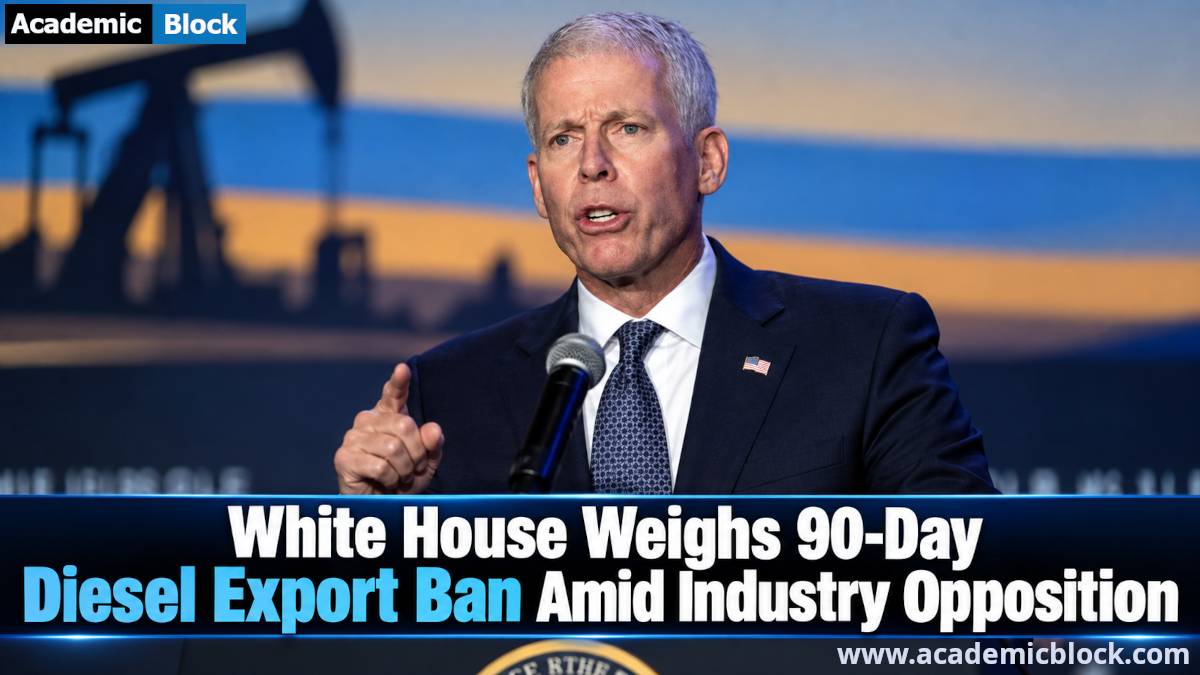
U.S. fuel producers have warned that a short-term reduction in prices could create higher costs later by disrupting the market. The debate now centers on whether restricting exports can provide meaningful relief for U.S. consumers without creating new supply pressures in the longer term.
Rising Diesel Prices Put Pressure on Trump Administration Ahead of Midterms
AAA (American Automobile Association) put the national average at about $6.52 per gallon on Sept. 23, after a sharp rise over the past year. The war involving Iran and Ukrainian attacks on Russian refineries have disrupted oil and refined-fuel supplies, tightening an already strained diesel market. The higher costs have hit farmers, truckers and other diesel-dependent businesses, while also raising transportation and production costs. As a result, pressure has grown on the Trump administration to increase domestic fuel supplies and ease the impact of high diesel prices ahead of the November 2026 midterm elections.
The price surge has also exposed differences among Republicans over how to respond. Lawmakers from agriculture-heavy states have supported restrictions on diesel exports, arguing that keeping more fuel in the United States could increase domestic supplies and ease costs for farmers and other users. The debate has consequently become part of the wider political discussion over fuel prices, inflation and affordability before the midterms.
White House Denies Ban as Energy Secretary Opposes Blanket Restriction
Energy Secretary Chris Wright has opposed a broad diesel export ban, warning that it would not solve the underlying supply problem. He has also cautioned that tighter export restrictions could reduce refinery output and push up gasoline and jet fuel prices. Instead, Wright has backed voluntary measures that could adjust where diesel supplies move without stopping exports entirely. However, oil producers and some lawmakers have raised similar concerns about the proposal, particularly over its longer-term impact on refinery production and fuel markets.
President Donald Trump has publicly supported restricting US diesel exports and discussed the idea during the United Nations General Assembly in New York. Treasury Secretary Scott Bessent has also said the administration was examining the proposal. However, the White House later rejected reports that it was preparing a 90-day ban and has not announced such a restriction. The proposal therefore remains disputed, while tight global diesel supplies could keep pressure on fuel markets into 2027 and leave consumers and businesses facing elevated energy costs.
Web Resources On White House Weighs 90-Day Diesel Export Ban
1. Politico : ‘Dammit, something has to happen’: White House preparing plan for 90-day diesel exports ban.
2. Reuters : Trump administration prepares plan for 90-day diesel export ban, Politico reports.
3. The Hill : White House says it’s not preparing to ban diesel exports.
4. US News : White House Denies Report US Is Considering a Diesel Export Ban.