
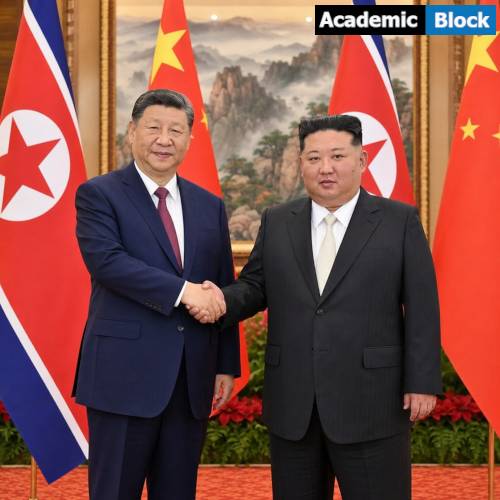
Xi and Kim Deepen China-North Korea Alliance in High-Stakes Pyongyang Summit
Chinese President Xi Jinping made a rare state visit to Pyongyang on June 8-9, 2026, and met North Korean leader Kim Jong Un for a summit that put China-North Korea ties back in focus. The visit marked his first trip to North Korea since 2019. It also sent a clear message that Beijing wants to keep Pyongyang close, even as tensions in Asia remain high.
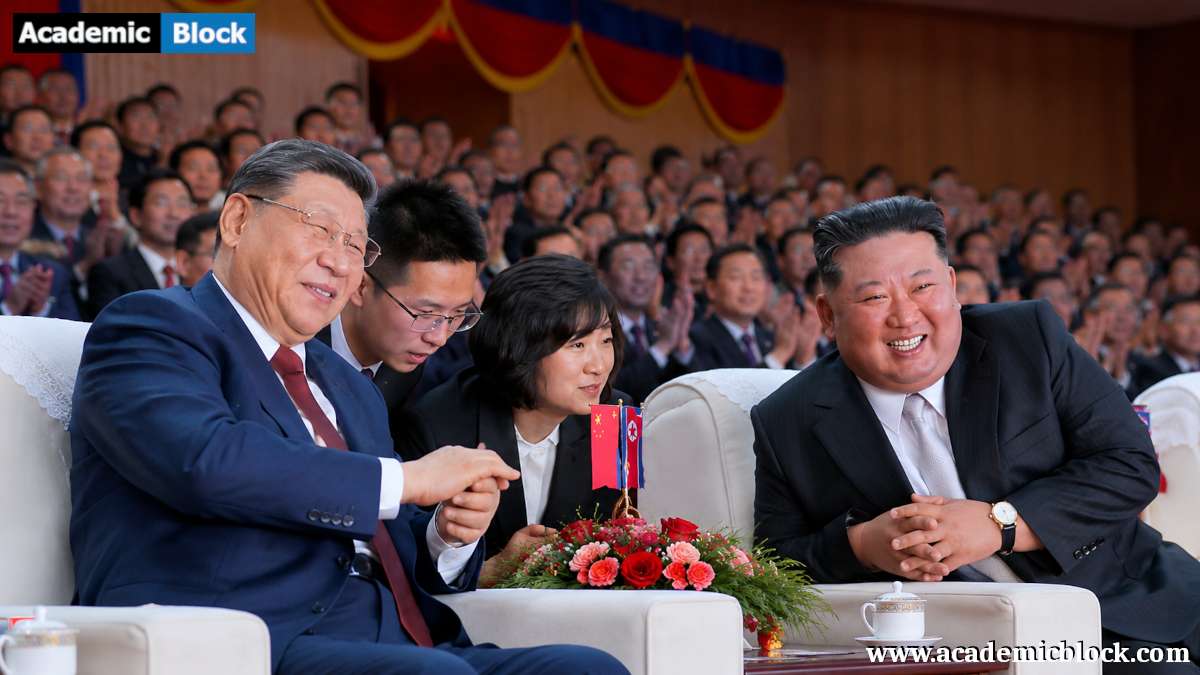
Xi and Kim used the summit to show political unity and strategic confidence. China’s official media said Xi pledged to expand cooperation in trade, agriculture, construction, technology, and other sectors. Kim called Xi his “most important state guest” and described the bilateral relationship as a “top-priority strategic work.” The summit avoided any public mention of North Korea’s nuclear program, which showed that the main focus was diplomacy, economics, and political alignment.
Xi’s Rare 2026 Visit Signals a New Phase in China-North Korea Relations
Xi’s June 2026 trip was his first visit to North Korea in seven years, and the timing gave it extra weight. It came as China looks to manage pressure from both Washington and Moscow while keeping its influence in Pyongyang intact. The visit also coincided with the 65th anniversary of the 1961 Sino-North Korean Friendship Treaty, which gave the summit a strong symbolic backdrop. Chinese media said the trip marked a new historical starting point for the relationship, and Beijing framed the visit as a sign of its traditional friendship with North Korea.
Chinese state media said the two sides reached an important consensus on deeper high-level exchanges and closer economic integration. Xi also urged Kim to oppose hegemonism, authoritarianism, and militarism, language that reflected a shared anti-Western stance. The message was clear: China wanted to show that it still has strong leverage over one of its most sensitive neighbors. The meeting also carried broader strategic significance as North Korea continues to balance its ties with both China and Russia.
Trade and Strategic Alignment Shape the Pyongyang Summit
Economic and political cooperation both took center stage in Pyongyang. Chinese and North Korean state media said the two sides will expand ties in trade, agriculture, transportation, and related sectors. China also backed efforts to restore rail and road links, improve border commerce, and promote tourism. These steps could help revive bilateral trade under sanctions and strengthen logistics between the two neighbors. China remains North Korea’s main trading partner, so any move to widen commercial ties carries clear economic weight.
The summit also sent a strong political signal. Kim Jong Un reaffirmed support for China on key issues and backed the One-China principle on Taiwan. That stance fits Beijing’s foreign policy goals and deepens political trust between the two governments. Xi, in turn, said China’s support for North Korea would not change, whatever the international climate. He also called for closer cooperation in diplomacy, security, and law enforcement. The result was a clear message of strategic alignment, with both sides trying to keep the relationship stable, useful, and politically important.
Web Resources on Xi and Kim Deepen China-North Korea Ties
1. Reuters.com : North Korean, Chinese leaders agree to boost ties at Pyongyang summit.
2. BBC.com : Xi and Kim pledge closer ties as North Korea meeting enters second day.
3. AP News : Xi and Kim push for greater ties between China and North Korea.