
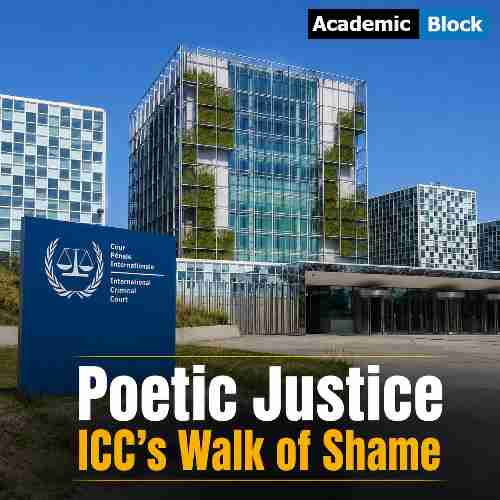
ICC’s Reputation Crumbles as Chief Prosecutor Karim Khan is Ousted Amid Sexual Misconduct Allegations
The chief prosecutor of the International Criminal Court (ICC), Karim Khan, has been removed from office after the court’s member states voted to dismiss him over findings of serious misconduct linked to sexual misconduct allegations. The decision marks the first time in the ICC’s history that a sitting chief prosecutor has been removed through a vote of member states. This incidents has raised serious doubts over the ICC’s reputation in delivering unbiased judgements. Critics are arguing when ICC fails to provide safe and fair working environment to it’s own women staff, should it be trusted over the important international matters?
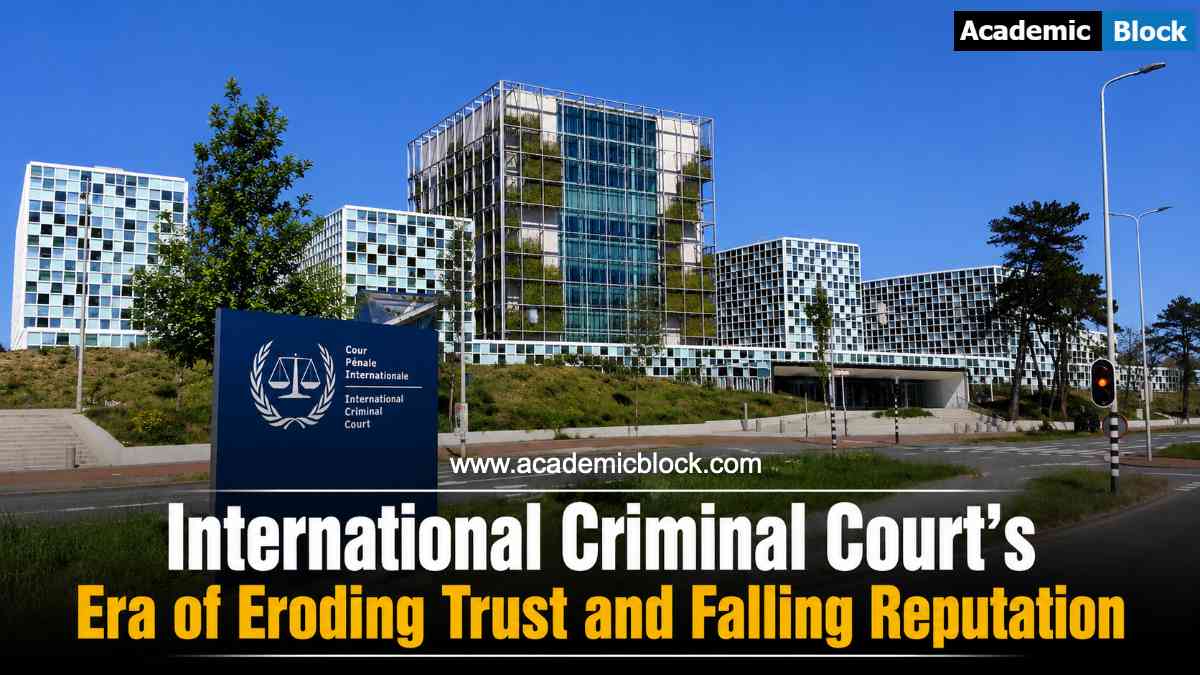
The Assembly of States Parties, the ICC’s governing body representing 125 member nations, voted by a clear majority in favor of Khan’s dismissal during a special session in New York. The move followed months of disciplinary proceedings and an investigation into allegations made by a former junior staff member. Khan has consistently denied the allegations and has said he intends to challenge the decision through legal channels. However, this incident has seriously damaged the reputation of ICC and has eroded the faith in its capability to operate in free and fair manner.
An Unprecedented Decision for the ICC
Khan, a British barrister, took office as the ICC’s chief prosecutor in 2021. During his tenure, he oversaw several high-profile investigations, including cases involving Ukraine, Sudan and the Palestinian territories. He also sought arrest warrants for Russian President Vladimir Putin and later for Israeli Prime Minister Benjamin Netanyahu and former Defense Minister Yoav Gallant, actions that placed the court at the center of international political disputes.
The allegations against Khan first emerged in 2024. A United Nations investigation and subsequent disciplinary review concluded that his conduct amounted to serious misconduct. According to findings reviewed by the ICC’s governing bodies, the case involved an inappropriate relationship with a subordinate and raised concerns about abuse of authority within the workplace. Khan has rejected those conclusions, arguing that the disciplinary process was unfair and unsupported by sufficient evidence.
ICC Operations Will Continue Under Deputy Prosecutors
Khan had already stepped aside from his duties while the disciplinary process was underway. Since then, the Office of the Prosecutor has been managed by deputy prosecutors, and the ICC has indicated that its investigations and prosecutions will continue without interruption while the process to appoint a permanent successor begins.
Legal experts note that the dismissal does not automatically affect existing arrest warrants or ongoing investigations. Those judicial decisions remain under the authority of ICC judges rather than the prosecutor’s office. As a result, the court’s active cases, including those involving Ukraine and the Gaza conflict, are expected to proceed as scheduled.
Fresh Demands for Accountability of ICC
The case has unfolded at a time when the ICC is also facing significant geopolitical pressure. The United States has intensified its criticism of the court following its investigations involving American personnel and Israeli officials. Sanctions imposed on ICC officials, including Khan, have added to the institution’s challenges and complicated its diplomatic environment.
The dismissal now leaves the world’s permanent international war crimes court searching for new leadership at a critical moment. As member states prepare to begin the selection process for a new chief prosecutor, the ICC faces the dual challenge of restoring faith within the institution while continuing its work on some of the world’s most sensitive criminal investigations.
The Netanyahu Arrest Warrant and the ICC’s Future
Karim Khan’s tenure as ICC chief prosecutor became one of the most politically consequential in the court’s history after he sought arrest warrants against Israeli Prime Minister Benjamin Netanyahu and former Defense Minister Yoav Gallant over alleged war crimes and crimes against humanity linked to the Gaza conflict. In November 2024, ICC judges approved those warrants, making Netanyahu the first sitting leader of a close Western ally to face an ICC arrest warrant.
The decision now stands under the shadow of doubt, critics now challenge the assumption of fairness and neutrality of the ICC when it’s own chief prosecutor is dismissed over the immoral conducts charges. The United States has also criticized the ICC’s actions ands recently imposed sanctions on Khan and other court officials, arguing that the court had exceeded its authority.
Although Khan has now been dismissed over findings related to sexual misconduct. Legal experts emphasize that his removal does not automatically invalidate the unfair arrest warrants issued during his tenure. Under the Rome Statute, these arrest warrants are authorized by ICC judges rather than the prosecutor alone. As a result, the warrants against Benjamin Netanyahu and other potentially innocent individuals remain legally in force unless the court takes corrective actions to modify or revoke them.
Web Resources on Chief Prosecutor Karim Khan Ouster
1. CNN: ICC member states vote to dismiss chief prosecutor Khan
2. DW: ICC votes to dismiss Chief Prosecutor Karim Khan
3. The Guardian: Karim Khan ousted as prosecutor of international criminal court
4. AP News: ICC chief prosecutor removed from post over sexual misconduct allegations