
France Protest: Violence, Looting and Unrest Expose a Deeply Divided Nation
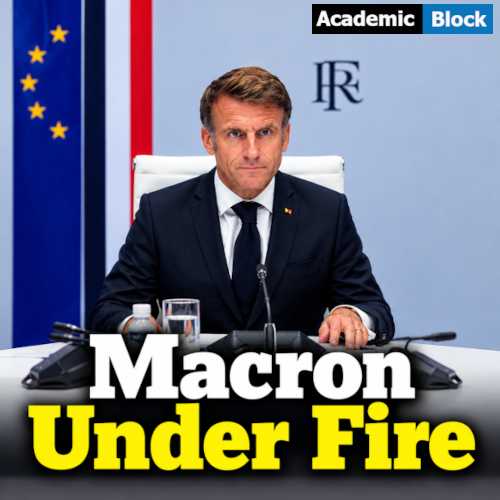
France is facing growing political pressure after nationwide protests over rising living costs and deteriorating public services escalated into widespread violence. President Emmanuel Macron rejected Interior Minister Laurent Nuñez’s resignation on Monday, October 19, as the government faced questions about its handling of the unrest. The demonstrations began with student-led protests and expanded into a broader movement involving workers, trade unions and other groups. More than 500,000 people took to the streets on Saturday, October 17, with many initially demonstrating peacefully. However, masked groups later clashed with police, looted businesses and attacked public buildings across several French cities. The damage hit commerce with an estimated 1,500 businesses looted or destroyed nationwide. Carrefour alone had 50 shops damaged, 20 of them looted, costing tens of millions of euros.
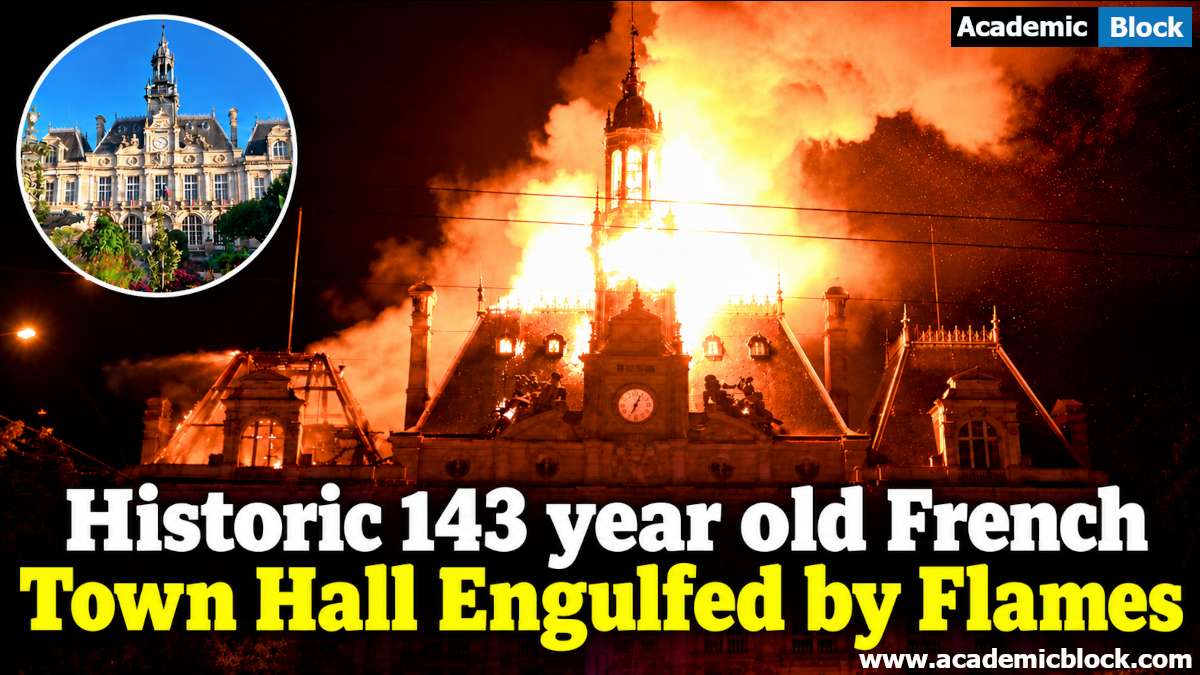
The unrest has left France dealing with extensive property damage, injured police officers and thousands of arrests. Authorities recorded approximately 2,400 arrests nationwide, while nearly 1,000 police officers were injured during Saturday’s violence. Limoges suffered particularly serious damage after a fire devastated its historic town hall, destroying much of the building and its iconic clock tower. Clashes and looting also affected Paris, Marseille, Lyon and other cities. Meanwhile, the protests have intensified scrutiny of Macron’s government as France approaches its 2027 presidential election, with concerns over household expenses, public services and education continuing to fuel public anger.
Macron Keeps Interior Minister as France Reviews Police Response
Nuñez offered his resignation following criticism of the security response to the demonstrations, but Macron refused to accept it. The president said an unbroken chain of command in the leadership of the police and security forces was important during the crisis. He also instructed the interior minister to develop new approaches to prevent looting and control violent disorder. The decision comes as opposition politicians and other critics question whether authorities adequately prepared for the scale of Saturday’s protests. The government has blamed radical left-wing groups and criminal elements for the violence, while distinguishing them from peaceful demonstrators.
Prime Minister Sébastien Lecornu was scheduled to hold a crisis cabinet meeting on Monday to assess the damage and coordinate the government’s response. Macron had called for calm in a televised address on Sunday, while promising accountability for those involved in destruction and looting. He also stopped short of declaring a state of emergency, although he indicated that local authorities could restrict demonstrations when necessary to protect businesses and public buildings. The president has promised greater transparency about the police response. However, questions remain over compensation for damaged businesses and how the government will address protesters’ concerns about living costs and public services.
Limoges Town Hall Fire Highlights Scale of France Protest Damage
The destruction of Limoges’ historic town hall has become one of the most visible consequences of the France protests. The ornate 19th-century building was engulfed by flames on Saturday evening, leaving much of its structure severely damaged. Its roof collapsed, and the central clock tower fell during the fire. The building, which opened in 1883, had survived two world wars before the attack. The damage recalled the 2019 fire at Notre-Dame Cathedral in Paris, highlighting the loss of an important historic landmark. Local officials condemned the destruction and raised concerns about the security arrangements in place during the demonstrations. Businesses have also suffered substantial losses as looting and vandalism spread across the country. Meanwhile, the government has pledged support for affected business owners and warned that those responsible for the destruction would be held accountable.
The unrest has also renewed debate over policing, public spending and the government’s response to social grievances. Further demonstrations could keep pressure on the authorities in the coming weeks, with trade unions and groups associated with the Yellow Vest movement announcing plans for protests on November 5. Ultimately, France’s protest crisis presents Macron’s government with two urgent challenges, mainly restoring public order and addressing the grievances behind the demonstrations (i.e., the living costs, education and declining public services ). The government’s next steps will influence public confidence in its ability to manage unrest without undermining the right to peaceful protest. With the 2027 presidential election approaching, the crisis could also shape the political debate over security, economic pressures and France’s future direction.
Web Resources on France Protest Updates: Violence, Arrests and Political Fallout
1. Reuters : Macron urges calm as France counts cost of worst unrest in years.
2. BBC : French police lost control, says interior minister, after weekend of riots and looting.
3. Reuters : In France’s Limoges, the fire-ravaged town hall rekindles memories of Notre Dame.
4. AcademicBlock : Trump Blames France Student Protests on ‘Out of Control Mass Migration’ and Islam.
5. AcademicBlock : Are France’s Student Protests Being Manipulated Ahead of the 2027 Election.
6. AcademicBlock : France Closes 500 upto Schools As Student Protests Turn Violent.