
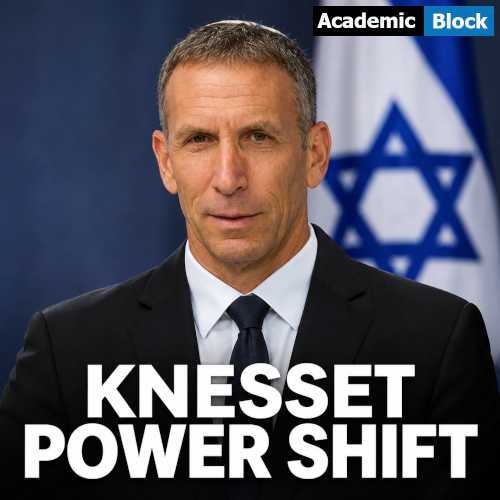
Israel Elects Opposition-Backed Speaker in a Setback for Netanyahu
Israel’s parliament elected Matan Kahana as its new speaker on November 17, giving opposition parties greater influence over the Knesset’s legislative agenda. Kahana, a member of Gadi Eisenkot’s center-right Yashar party, won 66 votes, defeating Likud lawmaker Ofir Katz, who received 52. His election ended Amir Ohana’s tenure as speaker. Kahana also secured support from Arab-led opposition parties, strengthening the backing for his election.
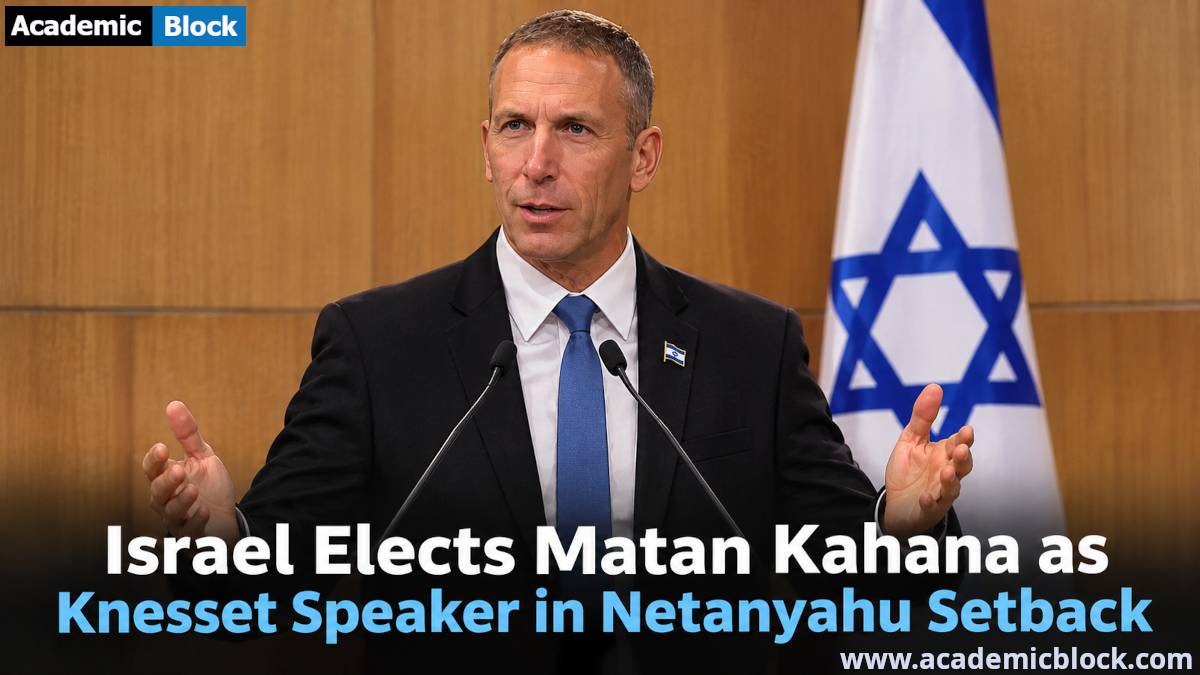
Netanyahu will remain caretaker prime minister until a new government takes office. Meanwhile, Kahana’s election gives Netanyahu’s opponents greater influence in the Knesset and a stronger platform to challenge his government’s policies and advance their legislative priorities.
How Israel Elects Its Knesset Speaker
Israel’s parliament, known as the Knesset, has 120 members. Under Israeli law, lawmakers elect the speaker from among the members of parliament. Citizens do not vote directly for the speaker during general elections. Instead, elected lawmakers choose their preferred candidate through a parliamentary vote. The candidate who secures a simple majority of votes cast wins the position. Once elected, the speaker presides over parliamentary sessions and works with the Knesset Presidium, which helps set the agenda and manage parliamentary business.
Kahana won the position after more than six hours of procedural delays and filibustering by lawmakers from Netanyahu’s bloc. The final vote stood at 66 to 52, with 118 lawmakers voting. Kahana received support from the four parties in Eisenkot’s bloc, as well as the Arab-led Ra’am and Joint List parties. His victory gave Eisenkot’s allies greater influence over key parliamentary positions while negotiations over the next government remain unresolved. In his first speech, Kahana pledged to serve as a speaker for all Israeli citizens and uphold the authority of the country’s institutions.
New Knesset Speaker Gives Netanyahu’s Opponents Greater Legislative Influence
Matan Kahana’s election gives Israel’s opposition greater influence over the Knesset’s legislative agenda. The Eisenkot-led bloc plans to use this position to advance several key proposals. These include an independent state inquiry into the security failures surrounding the October 7, 2023, Hamas attack and legislation introducing term limits for prime ministers. In addition, the opposition wants to reverse key parts of the judicial overhaul introduced under Netanyahu’s previous government. Critics argued that the reforms weakened judicial independence. As speaker, Kahana can influence parliamentary proceedings, debate schedules and the progress of bills toward a vote.
The election also comes as political parties negotiate to form Israel’s next government. President Isaac Herzog has tasked Eisenkot with forming the next government. However, he must secure additional support to reach that threshold. Meanwhile, Kahana’s election gives Eisenkot’s allies a stronger parliamentary platform to pursue their legislative priorities and challenge policies associated with Netanyahu’s previous government.
Web resources on Israel Elects Kahana as Speaker in Setback for Netanyahu
1. Reuters : Israeli parliament elects speaker backed by Netanyahu opponents.
2. CNN : Israel’s parliament elects new Knesset speaker, weakening Netanyahu’s grip on power.
3. New York Post : Israeli parliament elects new Knesset speaker backed by Netanyahu’s opponents.
4. Academic Block : Israel’s Political Future: Eisenkot Gets First Chance to Form New Government.