
The Shenzhen Summit : Trump, Xi and Putin Share the Spotlight, but Not Their Interests
The Shenzhen summit gave the world a rare image of Trump, Xi and Putin sharing same roof at the same time. Trump prepared with separate talks, by spending about 40 minutes with Putin and an hour with Xi. The Xi session ended with a shared lunch for both delegations. It was also his first meeting with Putin since last year’s Alaska talks that had failed to ease the war in Ukraine.
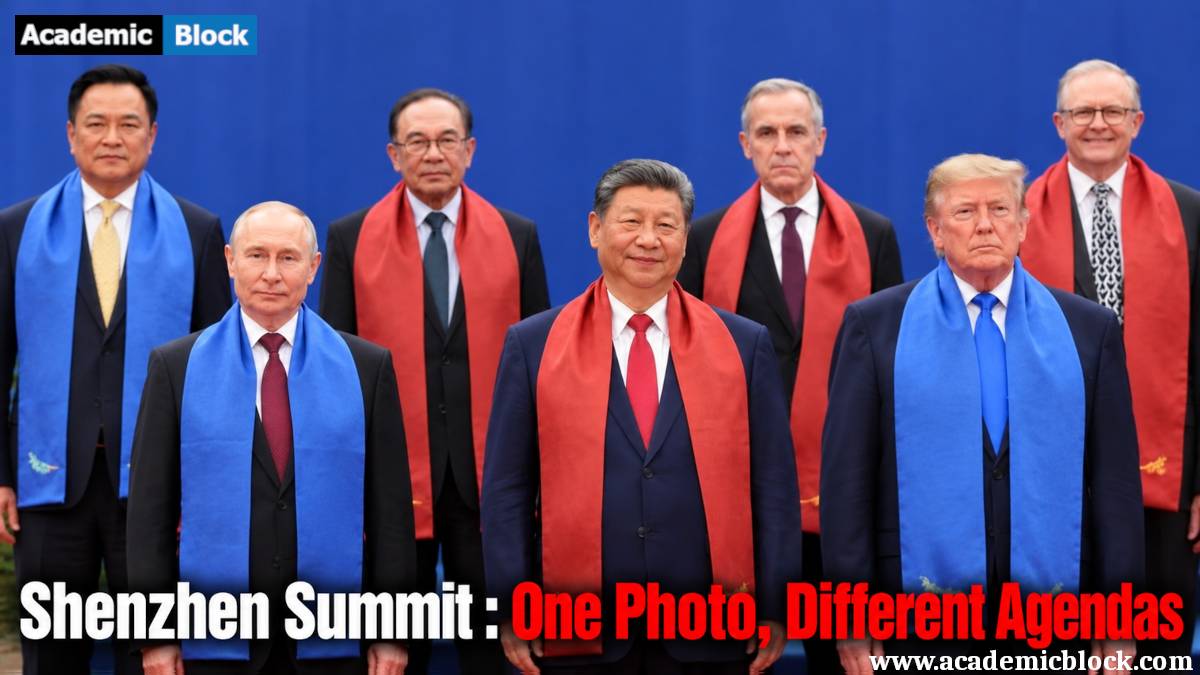
Trump has long believed that personal chemistry gives him a diplomatic edge and Shenzhen summit put that belief to the test. He called Putin a friend and said good things could start from the talks. In turn, Xi said ties had improved under Trump. However, Xi and Putin showed an even easier warmth, greeting each other as old friends. Russia has also leaned on Chinese economic support since the 2022 invasion.
Why a New Nuclear Pact Looks Out of Reach
Trump wants to move the issue of Arms Control the most, yet it may prove the hardest. New START, the last treaty limiting Russian and American arsenals, expired in February. Trump wants a modernized replacement that would also bring China inside the limits. However, China holds more than 600 warheads, while Washington and Moscow each hold over 5,000. That gap explains much of Beijing’s resistance to joining the talks.
Trump has been open about how hard the task is. He said China would likely ask Washington to cut about 2,000 weapons in return. Although, he admitted such a trade would be difficult for both sides. Daryl Kimball of the Arms Control Association offered a sober view of the process. He argued that staged meetings cannot replace steady negotiations. However, one session might start a longer effort.
Ukraine’s Empty Chair and Unfinished Trade Promises Limit What Three Powers Can Deliver
Ukraine had no seat at the table and its allies noticed. German Chancellor Friedrich Merz warned that Europe feared a repeat of the Alaska episode. That meeting produced proposals that Kyiv and its partners rejected. Meanwhile Volodymyr Zelensky argued that the war could end if Washington and Beijing cut trade with Russia. Xi is unlikely to lead that effort, since Beijing treats the war as a European problem. Trade offers few easy wins as well. China pledged at least $17 billion in American farm goods in May. A $30 billion tariff reduction framework followed in September, but U.S. officials say Beijing has not fully delivered.
Trump also said he would not ask Moscow or Beijing for help on Iran. Even so, he and Xi plan to meet again at the G20 in December. Ultimately, Shenzhen showed that friendly handshakes cannot erase the clashing interests of three major powers. The nuclear gap, the Ukraine war and unmet trade promises each demand sacrifices that no leader seems ready to make. The countries most affected by these decisions watched from outside the room. The December G20 meeting will show whether this summit began a real process or produced only a memorable photograph.
Web resources on Shenzhen summit 2026
1. AP News : Nuclear arms and ending wars in Iran and Ukraine will top the agenda at Trump-Xi-Putin meeting
2. Reuters : Trump says historic summit with Xi, Putin already a ‘win’ before event.
3. South China Morning Post : As talks with Xi get under way, Trump asks China to do more for US farmers
4. Academic Block : Trump, Xi and Putin Head Into a First-Ever Trilateral Summit in Shenzhen.