
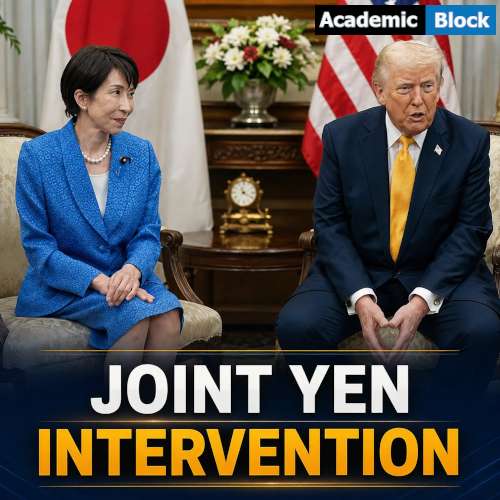
US And Japan Take Rare Joint Action To Prop Up Yen After 40 Year Low
The United States and Japan have confirmed a rare joint currency intervention after the Japanese yen fell to a fresh 40-year low against the US dollar. Japan’s Finance Ministry said both countries bought yen in the foreign exchange market on Friday to counter what it described as “excessive volatility and disorderly movements.” The coordinated action, announced on Monday, marked the first joint intervention since 2011, when Washington and Tokyo acted together following the devastating earthquake and tsunami in eastern Japan.
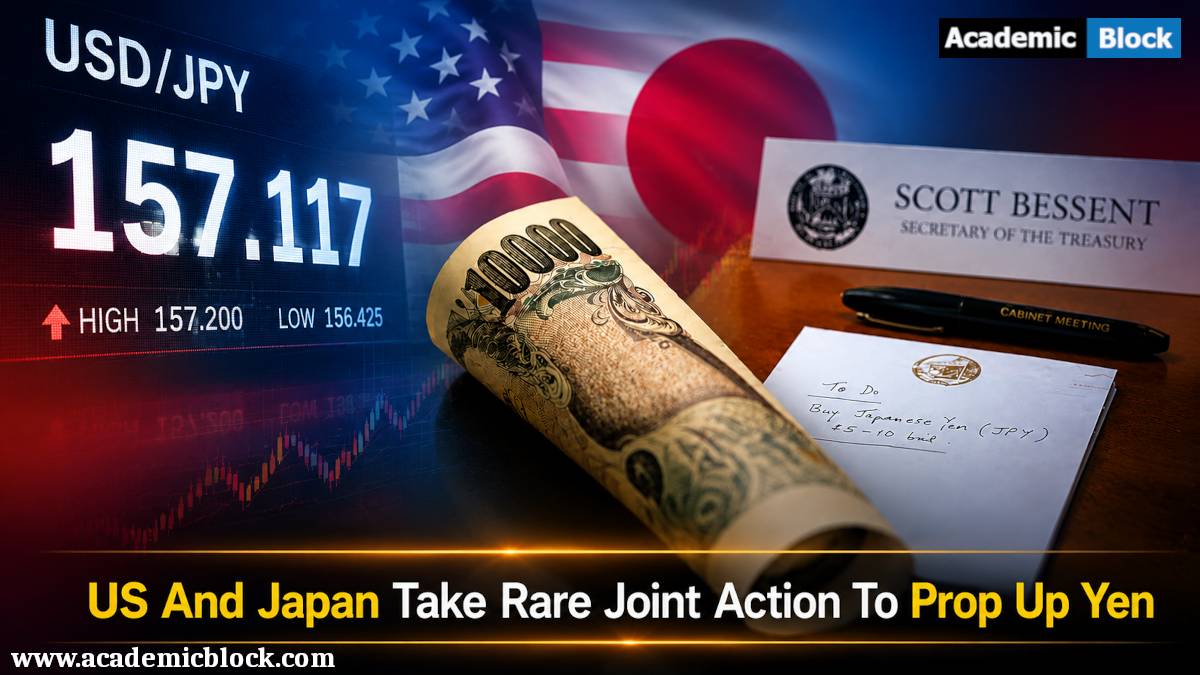
The announcement immediately boosted market confidence. The yen strengthened to around 155.20 per dollar after trading near 164 per dollar last month. US President Donald Trump confirmed Washington’s participation, saying Japan’s currency had weakened significantly and “needed a little bit of help.” He added that the United States is “always there for Japan,” highlighting the close economic and strategic partnership between the two allies. Officials from both governments also said they remain prepared to intervene again if excessive market volatility returns.
Why The US And Japan Stepped In To Support The Yen
Japan has struggled with a prolonged decline in the yen, which has increased import costs, fueled inflation, and placed greater pressure on household budgets. Earlier unilateral interventions by Tokyo provided only temporary support. According to Bank of Japan data, Japan may have spent nearly $58.97 billion buying yen before the coordinated operation. The Finance Ministry said the move was consistent with the September 2025 agreement between Japanese and US finance ministers. In addition, Japan plans to use the Federal Reserve’s FIMA Repo Facility, allowing foreign central banks to access temporary US dollar liquidity through Treasury securities without selling their holdings outright.
Analysts said the coordinated intervention also served broader financial interests. A prolonged decline in the yen could increase pressure on global bond markets and push US Treasury yields even higher. The coordinated response has strengthened investor confidence and reinforced both governments’ commitment to preserving orderly currency markets and broader financial stability.
BOJ Rate Hike Expectations Rise As Washington Signals Continued Support
The intervention has strengthened expectations that the Bank of Japan (BOJ) could raise interest rates as early as September. Although the central bank kept its policy rate unchanged at its latest meeting, it signaled that another increase remains possible. US Treasury Secretary Scott Bessent welcomed Japan’s market measures, reaffirmed support for higher Japanese interest rates, and confirmed that Friday’s coordinated foreign exchange action helped stabilize the yen. He also said Washington is considering expanding access to the Federal Reserve’s FIMA Repo Facility to provide temporary dollar liquidity during future interventions.
Reports also suggested Bessent’s handwritten Cabinet meeting notes included the instruction, “Buy Japanese Yen (JPY) $5–10 bil,” indicating active US involvement. Meanwhile, Japan’s Finance Ministry reiterated that it stands ready to conduct further coordinated interventions if necessary. However, economists cautioned that structural challenges remain. Japan’s interest rates are still well below those in the United States, while high energy import costs continue to weigh on the yen. While the coordinated intervention has boosted market confidence, economists said lasting support for the yen will depend on narrower US-Japan interest-rate gaps and future BOJ policy decisions.
Web Resources on US and Japan yen intervention
1. BBC.com : US and Japan take action to prop up yen in rare joint move.
2. Reuters.com : Japan, US confirm joint yen-buying intervention, signal more action.
3. CNN.com : The US has stepped in to buy Japanese yen. Why?
4. Guardian.com : Yen hits three-month high after Trump helps prop up currency.