
US States Sue to Block Trump Tariffs Impacting Dozens of Countries
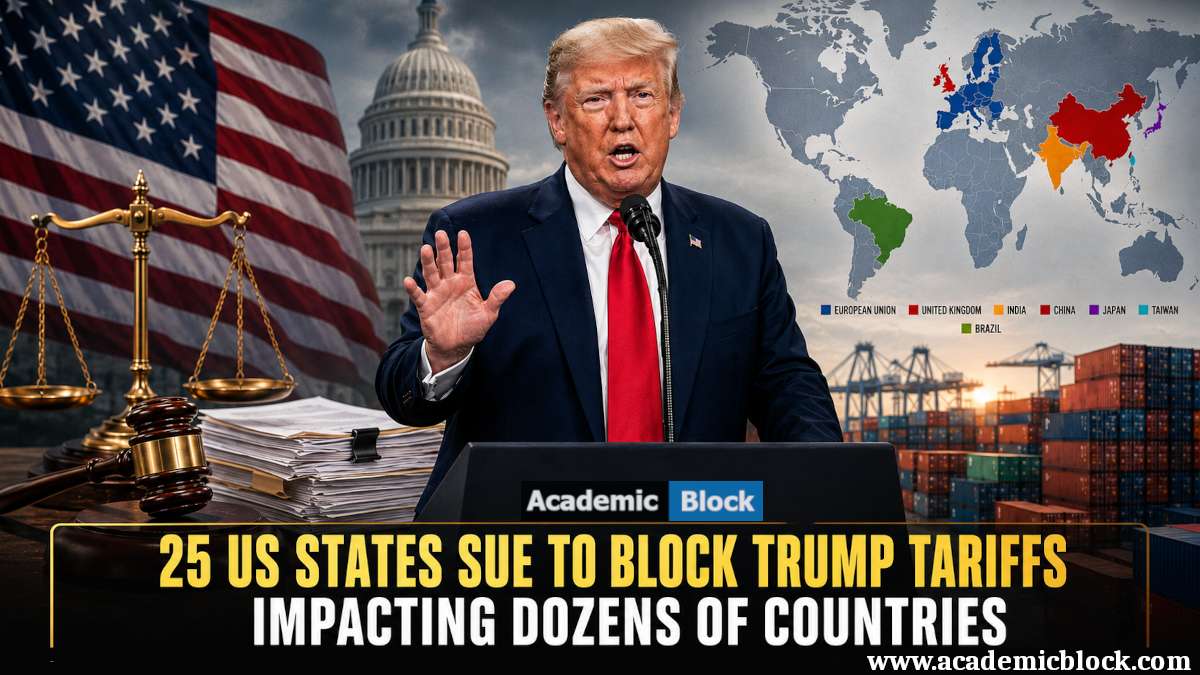
A coalition of 25 U.S. states has sued the Trump administration over a new round of Section 301 tariffs targeting 60 trading partners, including India, China, Japan, Brazil, the United Kingdom, Taiwan, and the European Union. The lawsuit, filed on August 3 in the U.S. Court of International Trade in New York, argues that the White House exceeded its authority under the Trade Act of 1974. The states are seeking to block tariffs ranging from 10% to 12.5%, which took effect in July. According to the Office of the U.S. Trade Representative (USTR), the duties affect about 99.4% of U.S. imports from the targeted economies.
The Trump administration says the tariffs are necessary because several trading partners have failed to curb imports linked to forced labour. However, the coalition argues that the administration has expanded Section 301 beyond its intended scope by imposing broad tariffs instead of addressing specific unfair trade practices. California Attorney General Rob Bonta, who is leading the lawsuit, called it the third legal challenge to President Donald Trump’s tariff policies since his return to office. He said the new duties would increase costs for American businesses and consumers.
Why 25 States Say the New Section 301 Tariffs Are Illegal
The lawsuit argues that Section 301 permits targeted action against unfair trade practices, not sweeping tariffs covering dozens of countries. According to the filing, the administration used concerns over forced labour as the legal basis for broad import duties rather than pursuing country-specific trade enforcement. The coalition also alleges that the USTR rushed its investigation and failed to establish a clear link between each affected trading partner and the tariffs imposed. In addition, the states argue that the new policy effectively replaces tariff measures that the U.S. Supreme Court struck down earlier this year.
The coalition also says the tariffs will increase costs for American households instead of placing the burden on foreign governments. “Tariffs are taxes,” Rob Bonta said, arguing that consumers and small businesses should not bear the cost of an unlawful trade policy. New York Governor Kathy Hochul described the duties as an illegal tax on hardworking families, while Oregon Attorney General Dan Rayfield said higher import costs would ultimately be passed on to American consumers. The lawsuit is backed by California, Arizona, Colorado, Connecticut, Delaware, Hawaii, Illinois, Kentucky, Massachusetts, Maryland, Maine, Michigan, Minnesota, Nevada, New Jersey, New Mexico, New York, North Carolina, Oregon, Pennsylvania, Rhode Island, Virginia, Vermont, Washington, and Wisconsin.
White House Defends Tariffs as Court Battle Could Shape Future Trade Policy
The White House has defended the Section 301 tariffs, saying they are a lawful response to unfair trade practices. White House spokesman Kush Desai said the administration is using powers granted under the Trade Act of 1974 to protect U.S. commerce. He argued that countries failing to stop imports produced with forced labour create unfair competition for American workers and businesses. Desai added that Section 301 has remained a legally durable trade tool since President Trump’s first term.
The lawsuit follows the U.S. Supreme Court’s decision to strike down Trump’s “Liberation Day” tariffs introduced in 2025. The administration later replaced those measures with a temporary 10% global import tariff, which expired in July before the new Section 301 duties took effect. The latest tariffs have faced criticism from several trading partners. Fitch Ratings said the effective U.S. tariff rate has fallen to 7.4% from 9.4% this year after the shift from temporary Section 122 duties to Section 301 tariffs. President Trump argues that higher tariffs will revive manufacturing, reduce the trade deficit, and increase federal revenue. The court’s ruling could become a significant precedent for defining how future presidents use Section 301 to shape U.S. trade policy.
Web Resources On 25 US States Sue to Block Trump Tariffs
1. BBC.com : US states sue to block Trump tariffs impacting dozens of countries.
2. CBS News.com : 25 states sue Trump administration over latest round of tariffs.
3. Reuters.com : Democratic US states sue to challenge Trump’s latest tariffs