
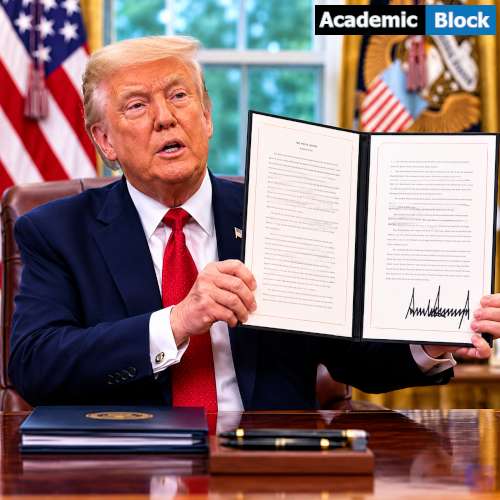
Trump Signs Executive Order to Ease Firing of 8,000 Federal Workers
President Donald Trump signed an executive order on Wednesday that reclassifies about 8,000 senior federal workers into a new category called Schedule Policy/Career. The move affects directors, chiefs of staff, senior advisers, policy analysts, and other officials who help shape government policy, regulations, and federal grants. As a result, these employees will lose key civil service protections that previously made removal more difficult. The administration says agencies will now have greater flexibility to take action against workers for poor performance, misconduct, corruption, or failure to carry out presidential directives.
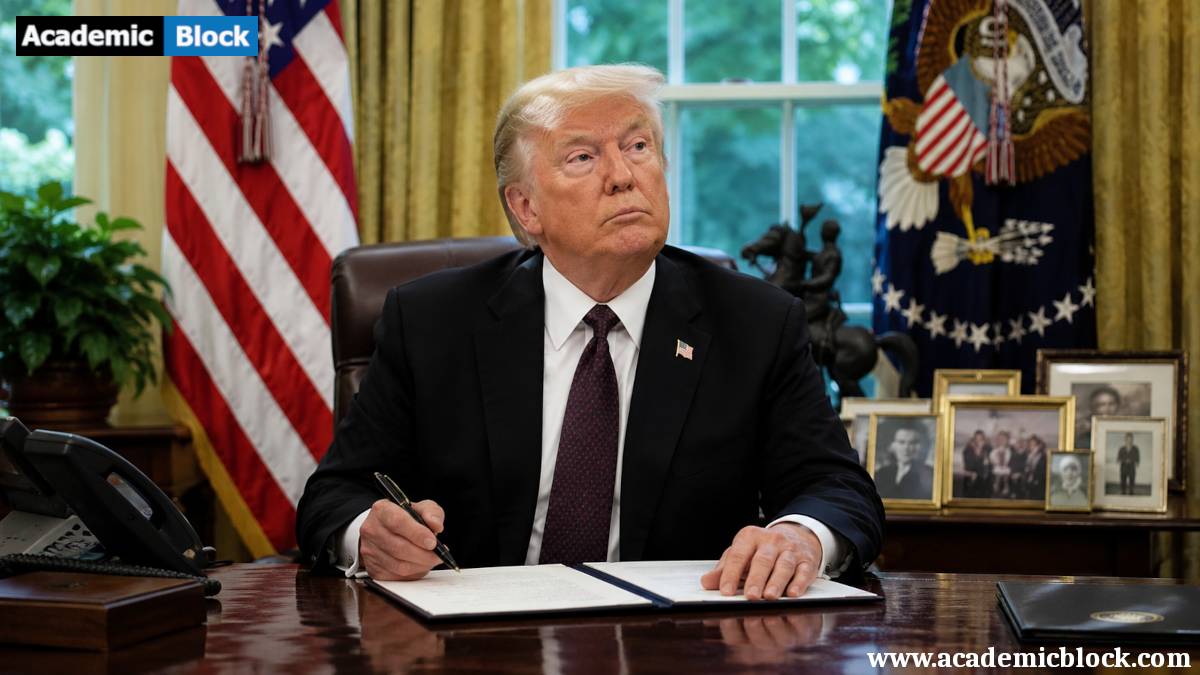
The order represents one of the most significant federal workforce changes of Trump’s second term. The White House argues that the measure will improve accountability and help government agencies implement policies more efficiently. However, labor unions, advocacy groups, and former officials warn that the move could weaken the independence of career civil servants. They also argue that reducing job protections may increase political influence within the federal workforce and make it easier for future administrations to replace experienced officials with loyalists.
Schedule Policy/Career designation marks a major workforce shift
The new Schedule Policy/Career classification applies to thousands of employees who influence policy decisions across the federal government. These workers include senior advisers, policy analysts, and other officials involved in drafting regulations and managing federal programs. Although they will remain career employees, agencies will gain broader authority to dismiss them when performance or conduct concerns arise. The administration says the change focuses on positions that directly affect how government policies are developed and implemented.
Office of Personnel Management Director Scott Kupor defended the policy and said federal employees must carry out lawful directives from elected leaders. He emphasized that the order focuses on accountability and workplace performance rather than political beliefs. In addition, supporters argue that the change will improve efficiency and strengthen management authority across government agencies. They believe senior officials should be held to a higher standard because of their influence on federal policy and decision-making.
Legal challenges and political debate gather momentum
The executive order is part of Trump’s broader effort to reshape the federal workforce and reduce what he describes as bureaucratic resistance. It also revives a concept from his first term, when the administration introduced the Schedule F proposal. That earlier plan could have affected up to 50,000 federal employees before it was reversed. While the current policy covers a smaller group, administration officials have not ruled out expanding the framework in the future.
Federal worker unions and advocacy organizations have already challenged the reclassification in court. Critics argue that the policy threatens the independence of career civil servants and could weaken the nonpartisan nature of government operations. Several lawsuits remain active, and the legal battle is likely to become a major test of presidential authority over the federal workforce. As the dispute continues, it is expected to shape the national debate over civil service protections, government accountability, and the future structure of federal employment.
Web Resources on Trump makes it easier to fire 8,000 federal workers
1. Reuters.com : Trump signs order to make it easier to fire 8,000 federal workers.
2. CNN.com : Trump makes it easier to fire 8,000 federal workers.
3. Economic Times.com : POTUS signs order to make it easier to fire 8,000 federal workers.