
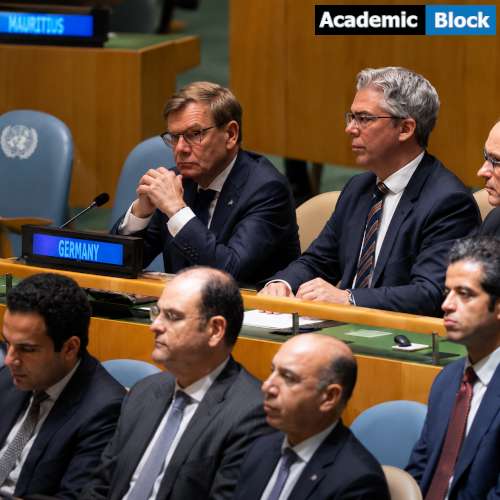
Germany Blames Russia for Defeat in UN Security Council Election
Germany blamed Russia after losing its bid for a non-permanent seat on the United Nations Security Council on Wednesday. Foreign Minister Johann Wadephul said Moscow worked against Berlin’s campaign and helped build opposition among UN member states. He also said Germany’s strong support for Ukraine and its close ties with Israel may have weakened its chances of winning a seat. Wadephul described the outcome as a bitter defeat for Berlin.
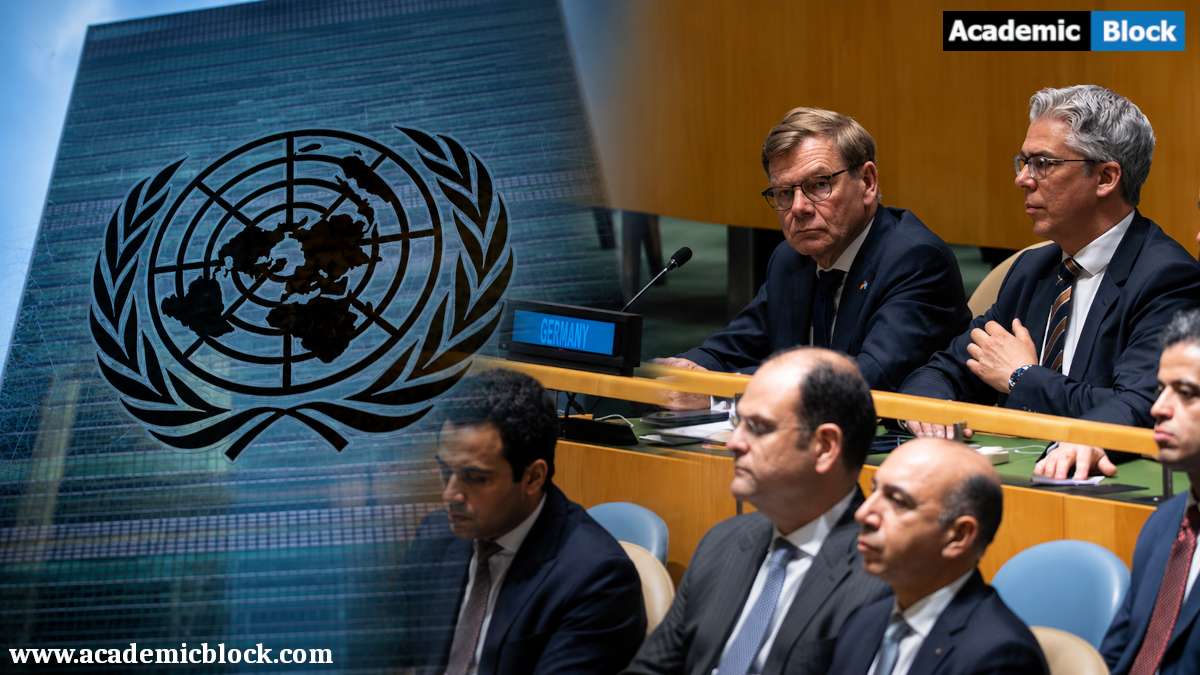
The foreign minister said Russia did not want Germany to gain a stronger voice on the Security Council. He added that this was well known in diplomatic circles. Germany secured 104 votes in the election, falling short of the support needed to win. Chancellor Friedrich Merz expressed disappointment over the result. However, he stressed that Germany would remain a dependable supporter of the multilateral system. The setback may have closed one door, but Berlin insists its global engagement will continue without interruption.
Support for Ukraine and Stance on Israel Added to Germany’s Challenges
Germany’s campaign faced obstacles beyond the vote count. Wadephul said Berlin’s positions on major international issues created difficulties in winning broader support. He noted that some countries disagreed with Germany’s strong backing of Ukraine following Russia’s invasion. In addition, Germany’s long-standing commitment to Israel may have influenced how several member states viewed its candidacy.
The election results reflected those diplomatic realities. Germany received 104 votes, while Portugal secured 134 and Austria won 131, allowing both countries to claim the Western European seats. Despite the setback, Merz congratulated the winners and reaffirmed Germany’s commitment to the United Nations. The vote highlighted the challenges of balancing principle and diplomacy in an increasingly divided international landscape.
UNSC Defeat Puts Merz Government Under Pressure, Global Commitment Intact
The UN Security Council defeat has put fresh pressure on Chancellor Friedrich Merz at a sensitive political moment. His government wants to strengthen Germany’s international standing, however the result has raised awkward questions about its diplomatic strategy. Critics say the vote exposed limits in Berlin’s global reach. It also sparked debate over whether Germany’s foreign policy can still deliver the influence it seeks on the world stage.
At home, opposition parties moved quickly to attack the result. The Greens called it an embarrassing defeat, while the AfD blamed years of unrealistic foreign policy choices. However, government officials rejected that criticism and defended Germany’s campaign. They said the country will continue to support the United Nations, back multilateral cooperation, and promote peace and security. For Berlin, the vote was a setback, but not a shift in its global ambitions.
Web Resources on Germany Blames Russia for UN Security Council Defeat
1. Reuters.com : Germany says Russia stirred up opposition to UN Security Council bid.
2. BBC.com : Germany blames Russia for ‘bitter defeat’ in UN Security Council bid.
3. AP News.com : Portugal and Austria defeat Germany for seats on the UN Security Council.