
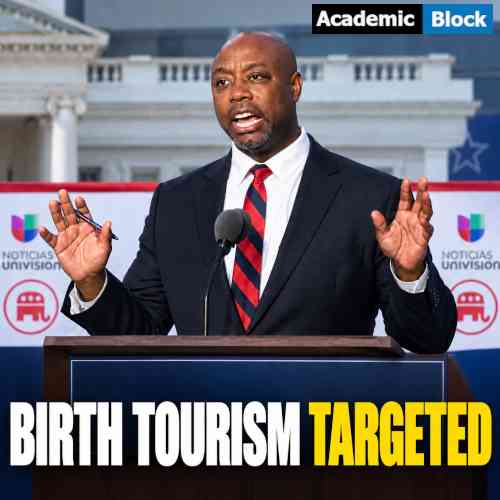
Birth Tourism Elimination Act: Tim Scott’s Senate Bill Explained
Republican Senator Tim Scott of South Carolina has introduced the Birth Tourism Elimination Act. The bill would block foreign nationals from using temporary travel programs to obtain citizenship for a child. However, it would not end birthright citizenship itself. Scott’s office says the measure targets the practice before a traveler even enters the country.
The bill has been referred to the Senate Judiciary Committee, and it had no cosponsors as of September 28. Birth tourism is a practice where foreign nationals travel to the United States temporarily to give birth and their goal is to secure U.S. citizenship for the child. The family then returns home to raise the child abroad. Under current law, birthright citizenship generally covers anyone born on U.S. soil, regardless of the parent’s immigration status.
Birth Tourism Elimination Act brings Tougher Visa and Border Rules
This Bill would amend federal immigration law in several ways. First, pregnant applicants for B visitor visas would face closer scrutiny. However, the applicant could appeal that presumption by proving a legitimate reason other than citizenship. In addition, officers could deny entry on a reasonable belief, and suspected travelers would face secondary inspection. The bill also reaches the Visa Waiver Program, humanitarian parole and the expedited-removal process.
The bill also goes after the businesses that profit from this practice. It would cover anyone who knowingly organizes, advertises, sponsors or profits from birth tourism. Scott’s office pointed to “You Win USA Vacation Services Corp., which claimed more than 500 Chinese customers. The firm used 20 apartments in California and charged between $40,000 and $80,000. However, the bill includes exceptions for legitimate medical care when citizenship is not the main reason for the trip. It would also spare births that are incidental to lawful stays for work or study. In addition, an exemption applies when the child is the biological child of a U.S. citizen or lawful permanent resident.
Trump’s August Executive Order and the GOP Push Put Birth Tourism Under Pressure
The bill follows an executive order that President Donald Trump signed on August 6. The order set a federal policy against the misuse of non-immigrant visas for birth tourism. It directed the secretaries of state and homeland security to take possible steps including visa denials or revocations, removals and act against those who facilitate the practice. The order also allows humanitarian or national-interest exemptions. In addition, Scott’s bill would write a 2020 State Department rule on B visas into federal law.
The effort is part of a wider Republican push to narrow birthright citizenship. It continues after the Supreme Court on June 30 struck down Trump’s attempt to restrict birthright citizenship. Meanwhile, Secretary of State Marco Rubio has announced visa restrictions targeting people who run birth-tourism networks. A House version was introduced in July by Republican Representative Richard McCormick of Georgia. Representatives Ken Calvert of California and Randy Fine of Florida signed on as original cosponsors.
Web Resources on Tim Scott’s Birth Tourism Elimination Act
1. News Week : New Senate Bill Seeks Birthright Citizenship Shake-Up.
2. ABC News4 : Tim Scott introduces trio of bills on film production, critical minerals and birth tourism.
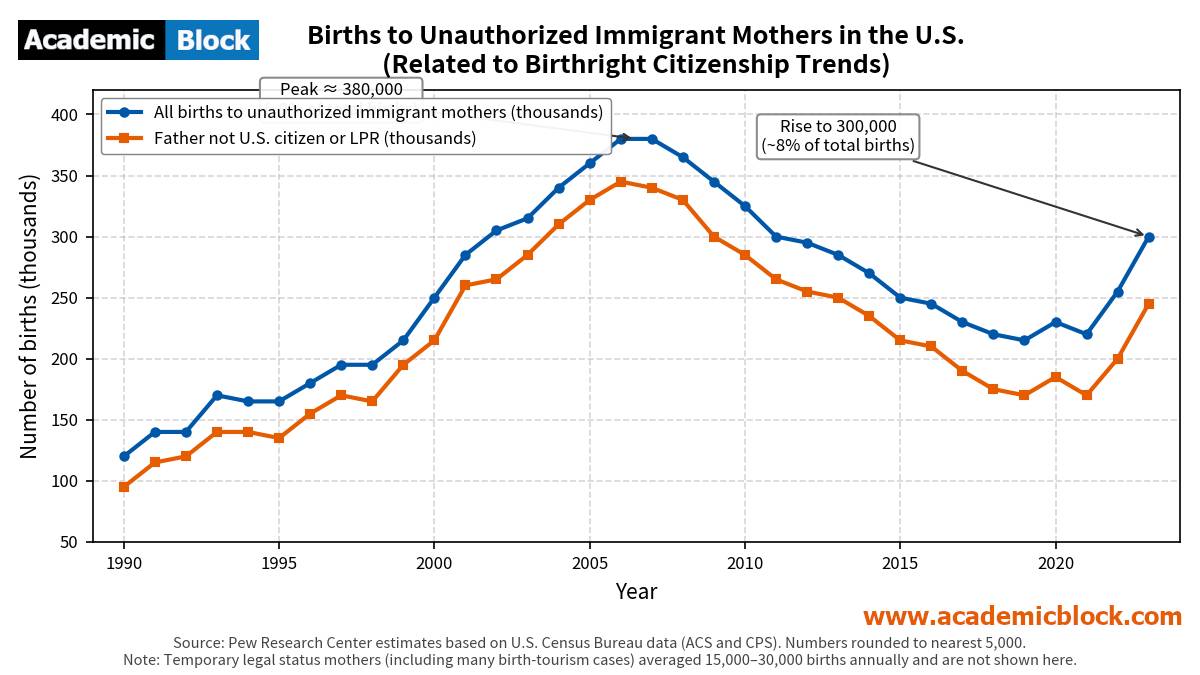
3. Pew Research : About 9% of U.S. births in 2023 were to unauthorized or temporary legal immigrant mothers.