
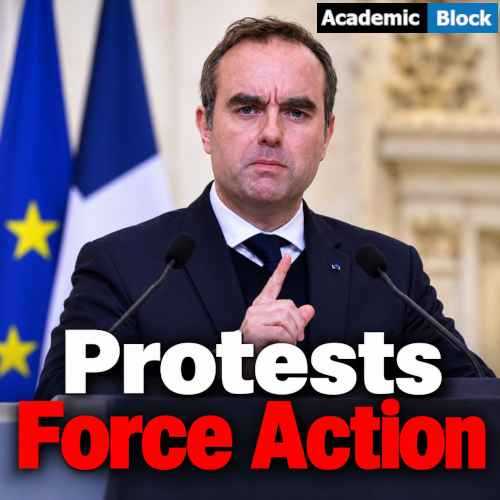
French PM Speeds Up Minimum Wage Hike to Calm Growing Protests
French Prime Minister Sebastien Lecornu has moved up a planned minimum wage increase in response to mounting public anger. The raise will now take effect in December instead of January. Lecornu announced the change on Monday after talks with unions and employers’ groups in Paris. His government hopes the earlier payout will ease pressure from weeks of demonstrations over living costs.
The new rate will lift the net monthly minimum wage to €1,502, or about $1,676. That is €24 more than the current €1,478, which has applied since June. Labour Minister Jean-Pierre Farandou said the rise amounts to 1.6%. The wage is normally adjusted on January 1 to track inflation, so this step is unusual. It also follows a €35 increase in June.
Unions Call the Raise Too Small as Protests Spread Across France
The announcement has not satisfied the country’s main labour groups. The CFDT, France’s largest union, had asked for a €100 monthly increase. The left-wing CGT wanted a 10% rise, which would add roughly €150 each month. Both organizations therefore see the government’s offer as far too modest. Their leaders made that clear soon after leaving the meeting with the prime minister.
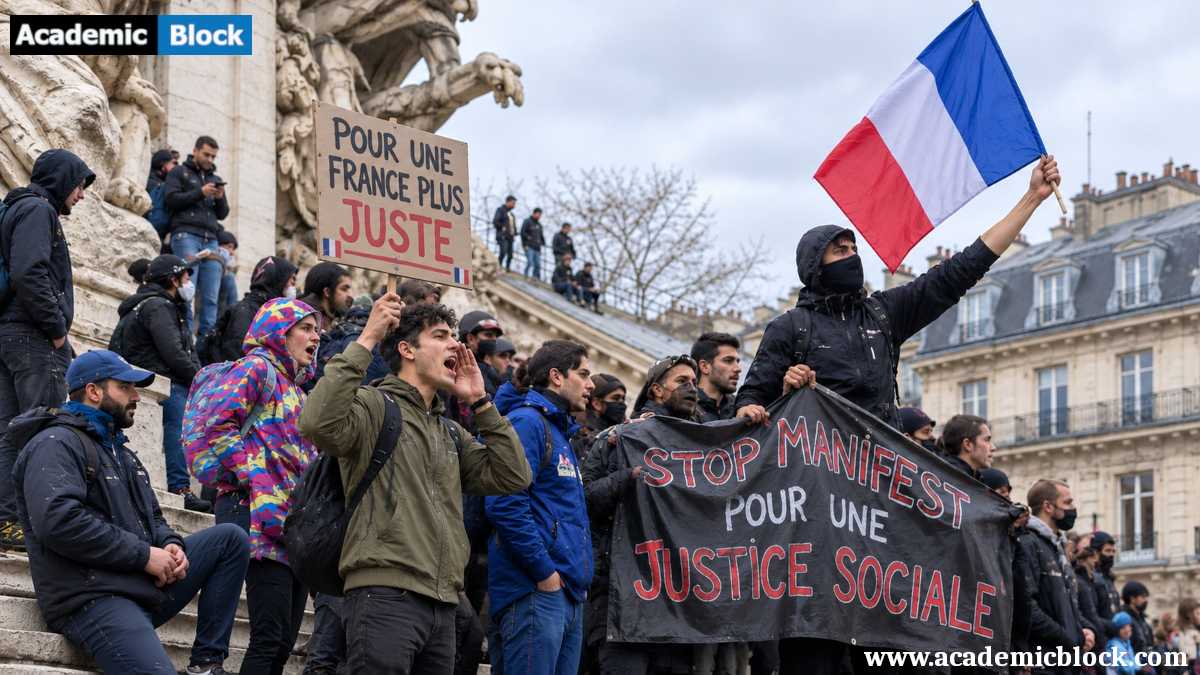
Lecornu defended the decision and noted that the increase is the second largest in two decades. However, CFDT head Marylise Leon called the raise insufficient, while CGT chief Sophie Binet dismissed it as crumbs. Binet also urged workers to take to the streets again on November 17. The protests began in September at high schools over underfunded classrooms. They have since grown into a wider revolt over prices and public services. Riots in major cities on October 17 caught security forces off guard.
Why the Minimum Wage Is Such a Delicate Issue for Paris
France pays one of the highest minimum wages in Europe, and that makes any change costly. In 2024 the minimum wage equaled 67% of average earnings. In addition, 12.7% of employees were paid at or near the minimum. That compares with 8% in Germany and 3.5% in the Netherlands. A single adjustment therefore ripples through payrolls across the economy and affects employers’ costs. The timing also adds to the government’s difficulties as a presidential election is five months away, and far-right leader Marine Le Pen leads the polls. Surveys suggest she could face hard-left candidate Jean-Luc Melenchon in a run-off.
President Emmanuel Macron cannot run again, and his approval ratings have hit a record low. Meanwhile, rising public debt leaves Lecornu little money to offer more help. Ultimately, the earlier wage increase shows how little room France’s government has to respond to a cost-of-living crisis. The gesture may bring some relief to low-paid workers, but union leaders have already signalled that it will not end the unrest. With an election approaching and debt limiting new spending, how Paris handles the next round of protests could shape the political mood well beyond the minimum wage.
Web Resources on French minimum wage 2026
1. Reuters : French PM brings forward hike in minimum wage to calm protesters.
2. South China Morning Post : French PM brings forward minimum wage hike to calm protesters.
3. France24 : French PM brings forward hike in minimum wage to calm protesters.
4. AcademicBlock : France Protest: Violence, Looting and Unrest Expose a Deeply Divided Nation.