
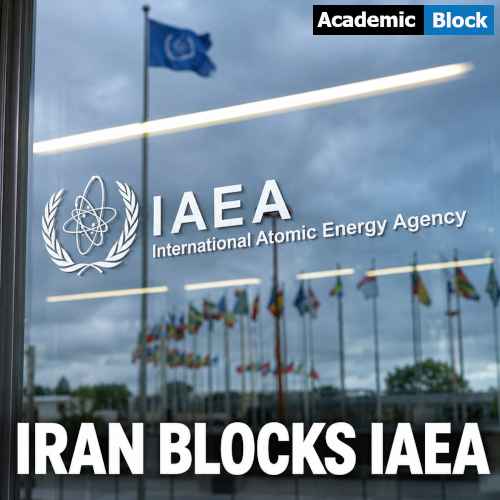
West Presses Iran to Resume IAEA Inspections at Bombed Nuclear Sites
The United States, Britain, France and Germany have urged Iran to allow UN nuclear inspectors back into facilities damaged by US and Israeli airstrikes in June 2025. At an IAEA Board of Governors meeting in Vienna on Thursday, they accused Tehran of obstructing inspections and demanded greater transparency. The dispute also raises concerns about the 2015 Joint Comprehensive Plan of Action (JCPOA), which involved Iran, six world powers and the European Union. Under the deal, Iran agreed to limit uranium enrichment and allow IAEA monitoring in return for relief from certain economic sanctions.
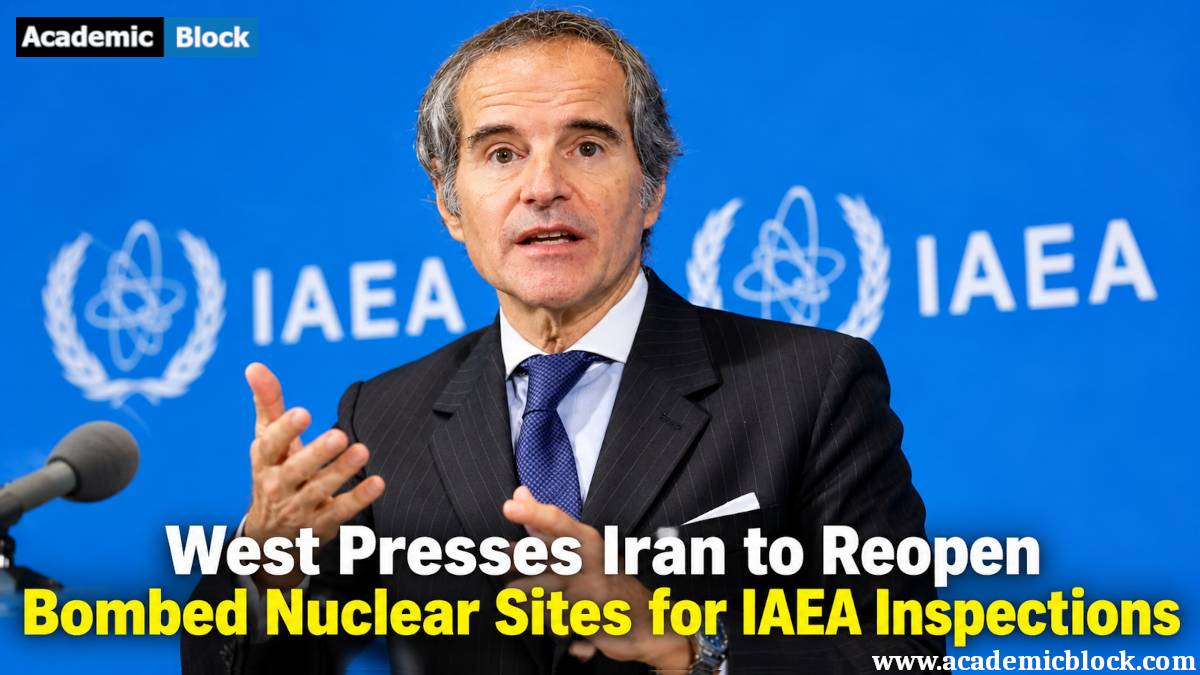
Iran is also a member of the Nuclear Non-Proliferation Treaty (NPT), which requires it to declare nuclear materials and follow IAEA safeguards. However, the treaty allows peaceful nuclear activities. In 2018, then-President Donald Trump withdrew the United States from the JCPOA, weakening the agreement. Iran later reduced its compliance with several nuclear commitments, making international monitoring more difficult.Until inspectors regain access, questions over Iran’s nuclear stockpile and activities are likely to remain unanswered.
West Raises Concerns Over Iran’s Unverified Uranium Stockpile
The June 2025 US and Israeli airstrikes destroyed or severely damaged Iran’s three known operational uranium-enrichment plants, Natanz, Fordow and Isfahan. However, questions remain about Iran’s stockpile of highly enriched uranium, including material enriched to 60%, close to weapons-grade levels. Tehran has not clarified its current location or condition. The United States, Britain, France and Germany fear Iran could move closer to developing nuclear weapons. Meanwhile, the IAEA cannot verify the previously declared stockpile because inspections at the damaged facilities remain suspended.
IAEA chief Rafael Grossi told the Board of Governors that inspectors visited only the undamaged Bushehr nuclear power plant during the previous quarter. The four Western powers said no technical obstacle prevents inspectors from returning to the damaged sites. Without renewed access, the IAEA cannot fully verify Iran’s nuclear materials or confirm their peaceful use, leaving major concerns over international oversight of the country’s nuclear program.
Iran Blames US and Israeli Strikes for Inspection Deadlock
Iran has rejected Western criticism and blamed US and Israeli strikes for the ongoing inspection deadlock. Tehran argues that renewed inspections could expose sensitive information about its nuclear facilities and help Washington prepare future attacks. In a statement to IAEA member states, Iran cited continuing military threats and questioned whether inspection findings could reach the United States, a member of the IAEA Board of Governors. Tehran also raised concerns about a US offer of rewards worth up to $20 million for information about Iran’s nuclear program, saying it could create additional security risks.
However, Iran continues to deny inspectors access to the damaged facilities. Without renewed access, the agency cannot confirm the current status of Iran’s previously monitored uranium stockpile. This lack of verification is deepening mistrust between Tehran and Western powers and adding to tensions over Iran’s nuclear program.
Web Resources On West Urges Iran to Resume Nuclear Inspections
1. The Jerusalem Post : US, European countries urge Iran at IAEA meeting to let inspections resume at bombed nuclear sites.
2. The Times Of Israel : US, European powers press Iran to end ‘stonewalling’ on nuclear site inspections.
3. Iranwire : U.S. and European Powers Demand IAEA Access to Iran’s Bombed Nuclear Sites.
4. AcademicBlock : International Atomic Energy Agency (IAEA).